
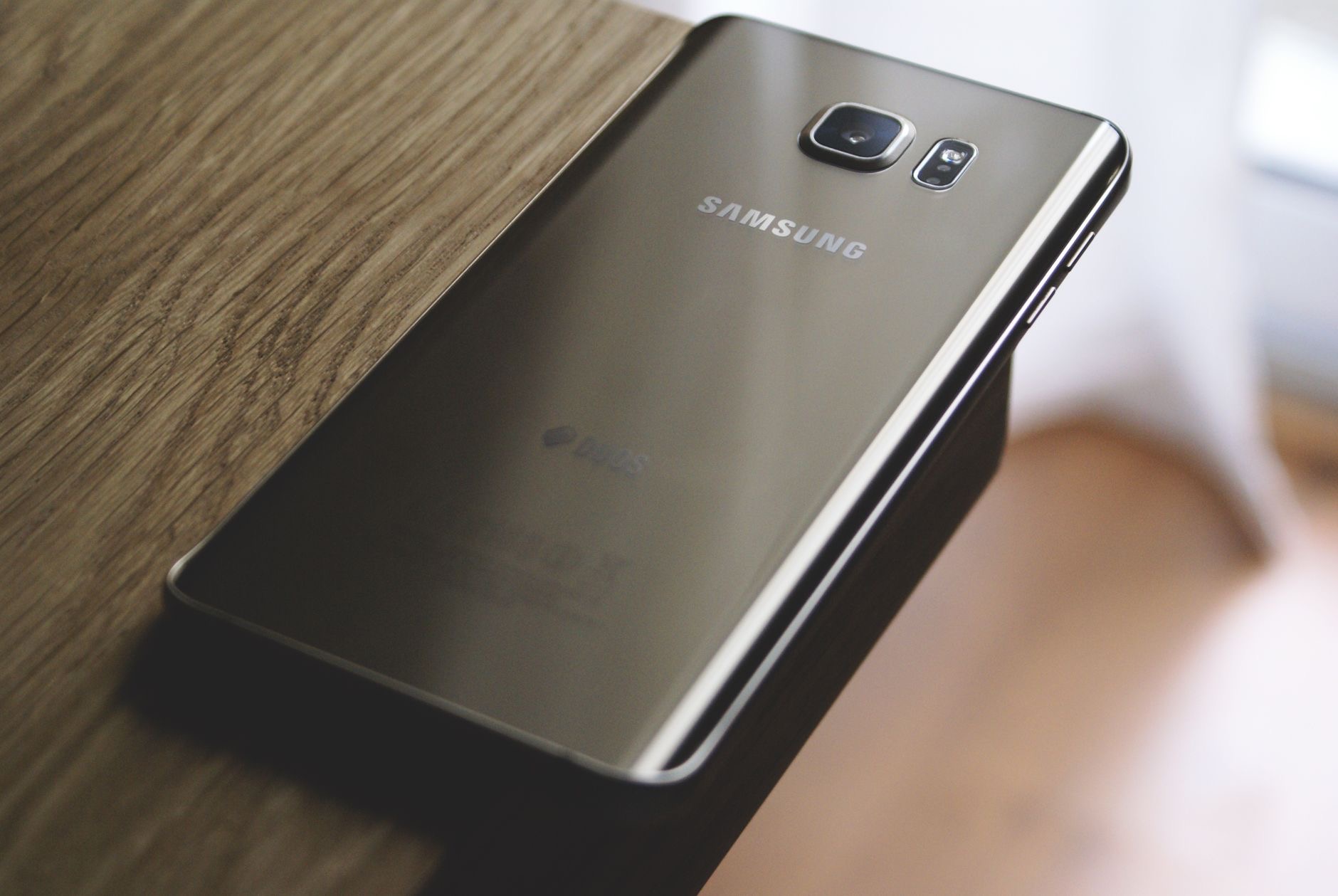
There is no getting around it: iPhones are not cheap, and the price tag gives plenty of people pause. But why exactly do they cost what they do, and does that price reflect genuine value or just a famous logo? The truth is a mix of several real factors. Let us take a clear, balanced look at why iPhones are priced the way they are, so you can judge for yourself whether they are worth it.
Premium Materials and Build Quality
A large part of an iPhone's cost comes from what it is made of and how it is built. iPhones use premium materials and are constructed to a high standard of fit and finish, which is part of why they feel solid and refined in the hand rather than cheap or plasticky. That quality of construction also contributes to their durability and longevity. Building a device to this standard, with careful engineering and quality components, costs more than producing a budget device, and that expense is reflected in the price. You are paying, in part, for a genuinely well-made object.
Advanced Technology Inside
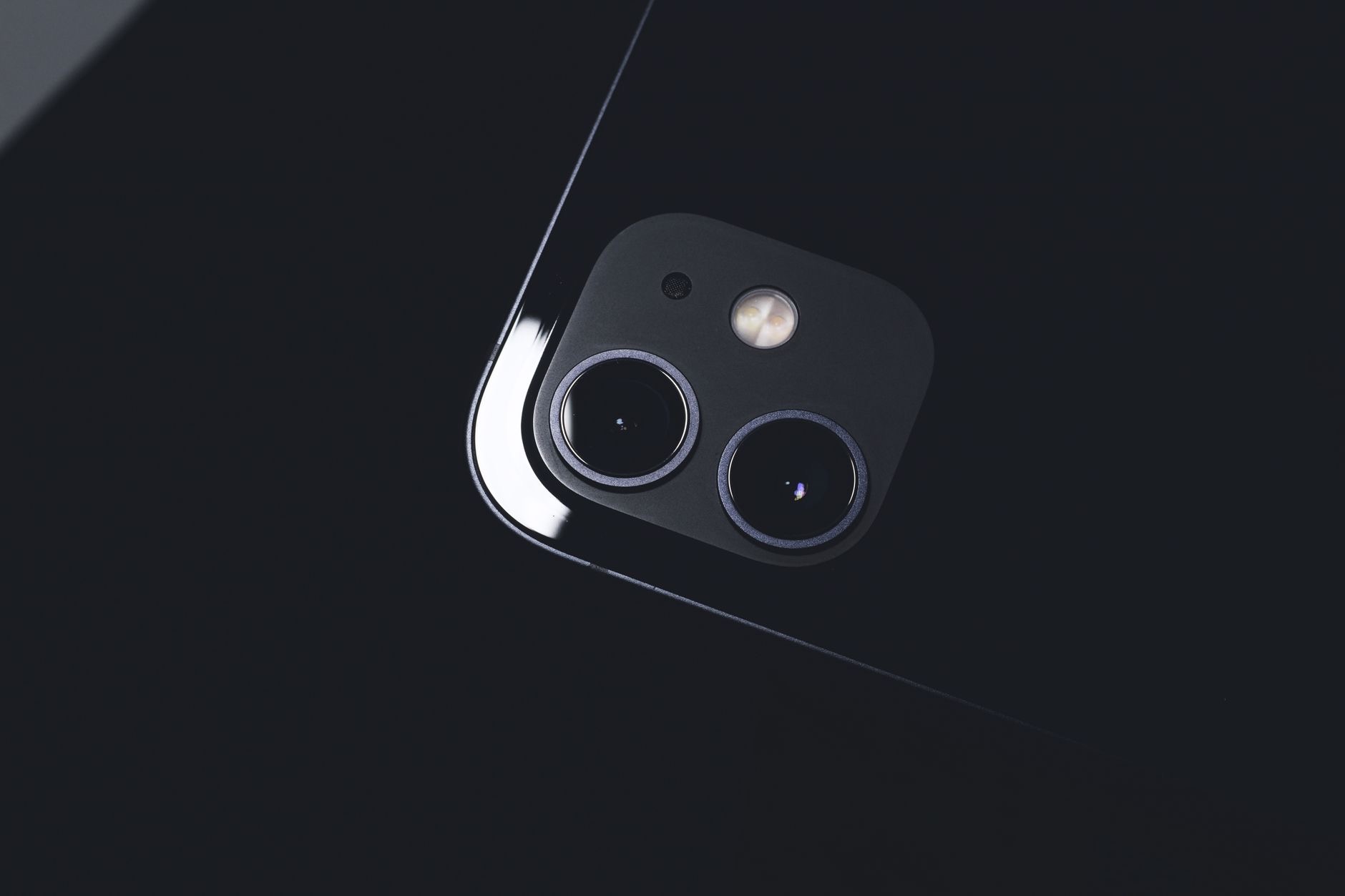
Beyond the materials, an iPhone packs a great deal of advanced technology into a small space. The processors are powerful and sophisticated, the cameras involve complex hardware and clever processing, and the displays, sensors, and other components are high quality. Designing and producing this kind of advanced technology, and fitting it all neatly into a sleek device, is expensive. The performance and capabilities people value in an iPhone, from smooth speed to impressive photos, come from this technology, and the cost of developing and including it is a significant part of the overall price you pay.
Research, Development, and Software
Much of what you pay for is not visible at all. Enormous effort goes into research and development, designing the hardware, and creating and refining the software that makes an iPhone feel polished and intuitive. The smooth, integrated experience that people associate with iPhones does not happen by accident, it is the result of substantial ongoing investment. Notably, the long software support iPhones receive, with updates for many years, also represents real ongoing value and cost. When you buy an iPhone, part of the price reflects this investment in software and the years of support that keep the phone secure and current.
The Brand and the Ecosystem
It would be incomplete not to acknowledge the brand. Apple is a premium brand, and there is undeniably a brand element in the pricing, as there is with premium products in many categories. But it is not only about the logo. Part of the value is the ecosystem: the way iPhones work smoothly with other Apple devices and services creates an experience many people find genuinely valuable and convenient. So while some of the price reflects brand positioning, a meaningful portion reflects the integrated experience that the ecosystem provides, which is a real benefit for people invested in it.
Resale Value: A Hidden Offset
Here is a factor that often gets overlooked when people focus on the upfront price: iPhones tend to hold their value comparatively well. Because a used iPhone can be worth a reasonable amount when you eventually sell or trade it in, the true cost of ownership can be lower than the sticker price suggests. If you sell your old iPhone to offset the cost of a new one, the net amount you actually spend over time may be more reasonable than it first appears. Strong resale value is a genuine, if hidden, part of the iPhone value equation worth factoring into the decision.

Are iPhones Worth the Price?
Whether an iPhone is worth its price is genuinely personal and depends on what you value, so this is opinion as much as fact. For people who appreciate the build quality, the long software support, the integrated ecosystem, and the strong resale value, the price can represent fair value rather than mere expense. For others who simply need a phone for basics, a more affordable option may make better sense. The honest position is that the price reflects real factors, not just branding, but only you can decide whether those factors matter enough to justify the cost for your needs and budget.
How to Spend Less on an iPhone
If you want an iPhone without the highest price, you have good options. The more affordable models in the lineup, like the budget-focused option, deliver the core iPhone experience for considerably less. Buying a previous-generation model rather than the newest also saves money while still giving you a capable, well-supported phone. And factoring in the resale value of your old device can reduce what you actually pay. You do not have to buy the most expensive model to enjoy what makes iPhones appealing, so choosing a more affordable option is a perfectly smart way to get the experience for less.
| Cost factor | What you are paying for |
|---|---|
| Materials and build | Premium, durable construction |
| Technology inside | Powerful chips, cameras, displays |
| Software and support | Polished experience, years of updates |
| Resale value | Lowers true cost of ownership |
Frequently Asked Questions
Why are iPhones so expensive?
Several real factors: premium materials and build quality, advanced technology inside, substantial research, development, and software investment, the integrated ecosystem, and yes, an element of premium branding. The price reflects genuine costs and value, not branding alone, though brand positioning does play a part.
Is the high price just because of the brand?
No. While Apple is a premium brand and there is a brand element in pricing, much of the cost reflects real things: quality construction, advanced components, software investment, long support, and the valuable ecosystem experience. The logo is part of it, but far from the whole story.
Do iPhones hold their value?
iPhones tend to hold their value comparatively well, so a used one can be worth a reasonable amount at trade-in or resale. This means the true cost of ownership can be lower than the sticker price suggests, especially if you sell your old iPhone to offset a new one.
Are iPhones worth the money?
That is personal and partly opinion. For those who value the build quality, long software support, ecosystem, and strong resale value, the price can be fair value. For someone needing only the basics, a cheaper option may make more sense. The price reflects real factors, but only you can judge if they justify the cost.
How can I get an iPhone for less?
Choose a more affordable model like the budget-focused option, buy a previous-generation model rather than the newest, and factor in the resale value of your old device. You do not need the most expensive model to enjoy what makes iPhones appealing, so these are smart ways to spend less.
Why does software support add to the value?
Because iPhones receive software updates for many years, which keeps them secure, app-compatible, and feeling current far longer than many phones. That ongoing support represents real value and cost, and it is a big reason iPhones stay useful and hold their value over a long life.
The Bottom Line
iPhones are expensive for reasons that go well beyond the logo: premium materials and build, advanced technology, heavy investment in software and years of updates, the integrated ecosystem, and strong resale value that quietly lowers the true cost of ownership. Whether that adds up to worth it is personal, depending on what you value and your budget. If the price feels steep, a more affordable or previous-generation model delivers the core experience for less, so there is an iPhone for most budgets.
Leave a Reply