
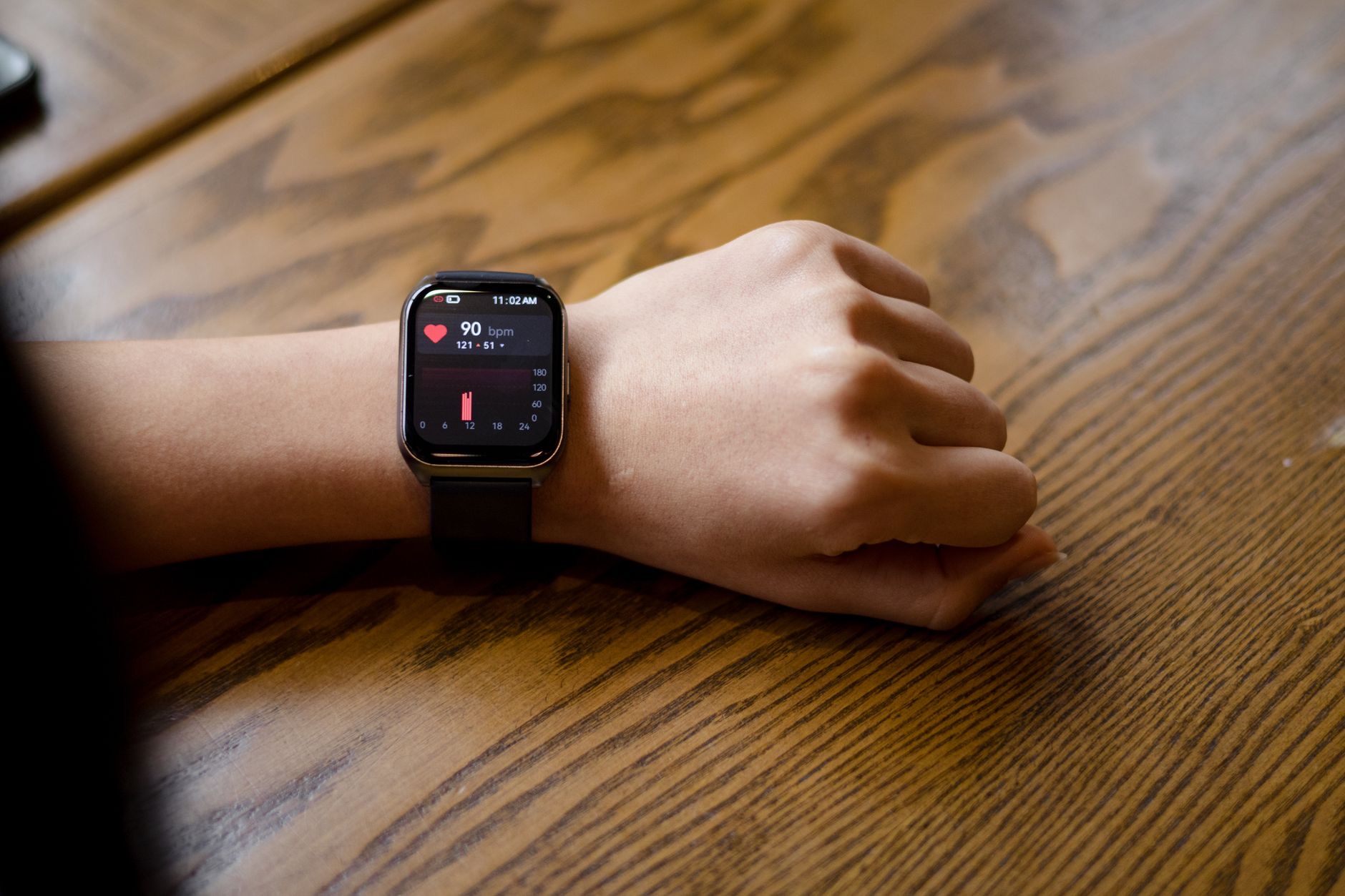
Glance at your Apple Watch and there it is: your heart rate, updating quietly on your wrist throughout the day. It feels almost like the watch is reading your pulse by magic, but there is some genuinely clever and elegant science behind it. Understanding how it works helps you trust the readings and use them wisely. Let us explain, in plain language, how the Apple Watch measures your heart rate.
The Short Answer
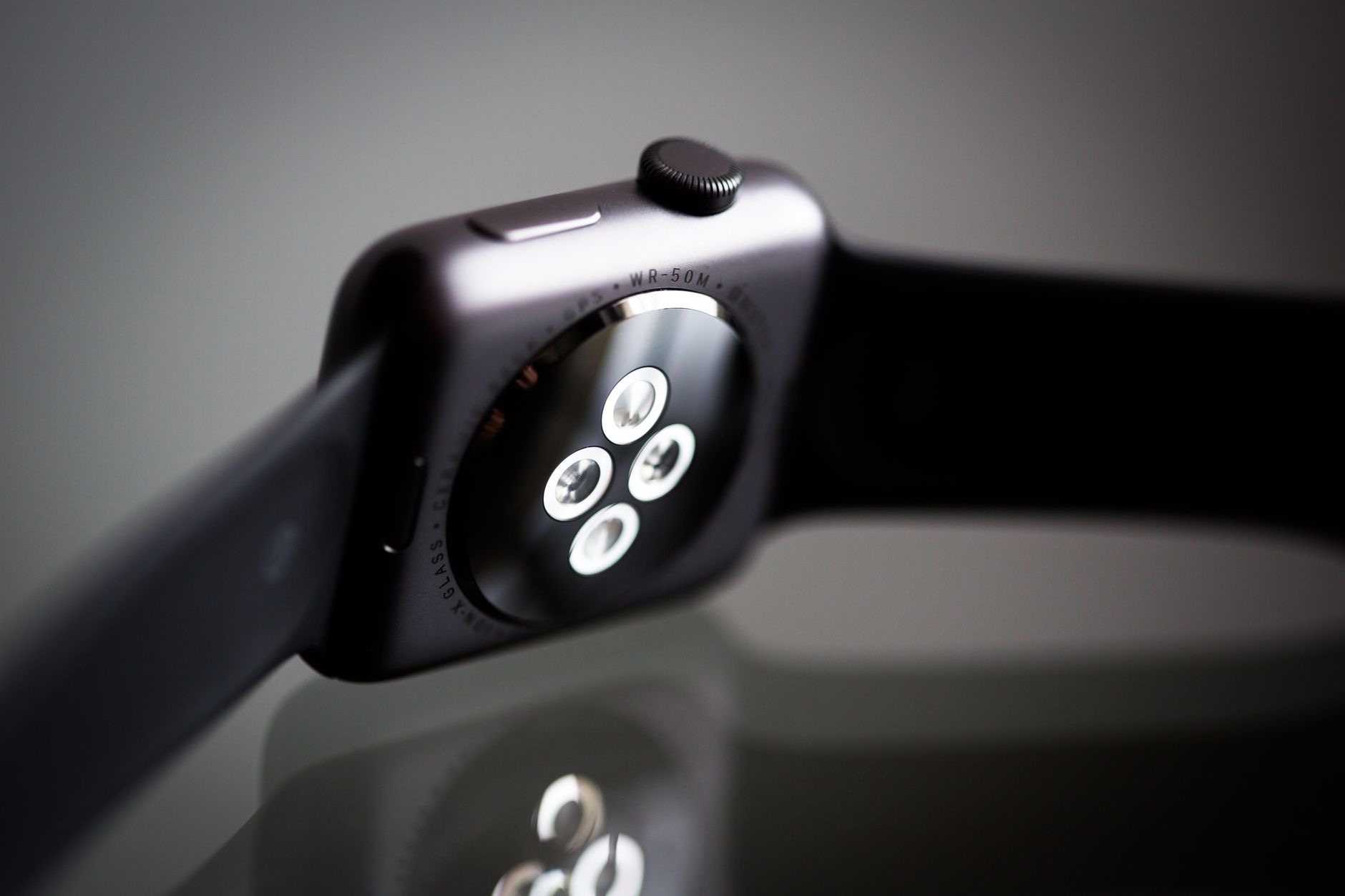
The Apple Watch tracks your heart rate using optical sensors on the back of the watch that shine light into your skin and measure how it reflects back. Because blood flow changes with each heartbeat, the watch can detect those changes and translate them into your heart rate. This all happens through the small sensor area pressed against your wrist, with no need for a chest strap or any effort from you. It is a non-invasive, continuous way of measuring your pulse that works quietly in the background as you go about your day.
The Science of Light and Blood Flow
The technique relies on a simple, beautiful principle. With each beat of your heart, the amount of blood flowing through the vessels in your wrist changes slightly. The watch shines light into your skin from the sensor on its underside, and as blood pulses through, it affects how much of that light is absorbed and reflected back. The sensor detects these tiny, rhythmic variations in reflected light, and from the timing of those pulses, the watch calculates how fast your heart is beating. In essence, it is reading the rhythm of your blood flow through changes in light.
Why a Good Fit Matters
Because the measurement depends on light and the sensor sitting against your skin, how you wear the watch genuinely affects accuracy. A watch worn too loosely lets in stray light and moves around, which can disrupt the readings, while one worn at a sensible, comfortable snugness keeps the sensor in good contact with your wrist for cleaner measurements. This is why guidance on wearing a fitness watch often stresses a proper fit, especially during exercise. If you want the most reliable heart-rate readings, wearing the watch snugly but comfortably, and a little higher on the wrist during workouts, makes a real difference.
Continuous Tracking Through the Day
One of the most useful aspects is that this measurement can happen continuously and automatically. Rather than only checking your pulse when you ask, the watch can monitor your heart rate periodically throughout the day and during workouts, building a picture of your patterns over time. This is what allows features like seeing your resting heart rate, watching how your heart responds during exercise, and noticing trends across days and weeks. The ability to track quietly and continuously, without you doing anything, is a big part of what makes wrist-based heart-rate monitoring so genuinely useful for understanding your body.
What Your Heart Rate Can Tell You
Heart-rate data opens a window into your fitness and daily life. During exercise, it shows how hard you are working, helping you train at the right intensity. At rest, your resting heart rate over time can be an interesting indicator of your general fitness and how your body is doing. Seeing how quickly your heart rate comes down after exertion can also be informative. Used thoughtfully, this information helps you understand your activity and effort. It is worth remembering it is a helpful wellness tool for everyday insight rather than a medical-grade clinical instrument, so treat it as guidance.
Getting Accurate Readings
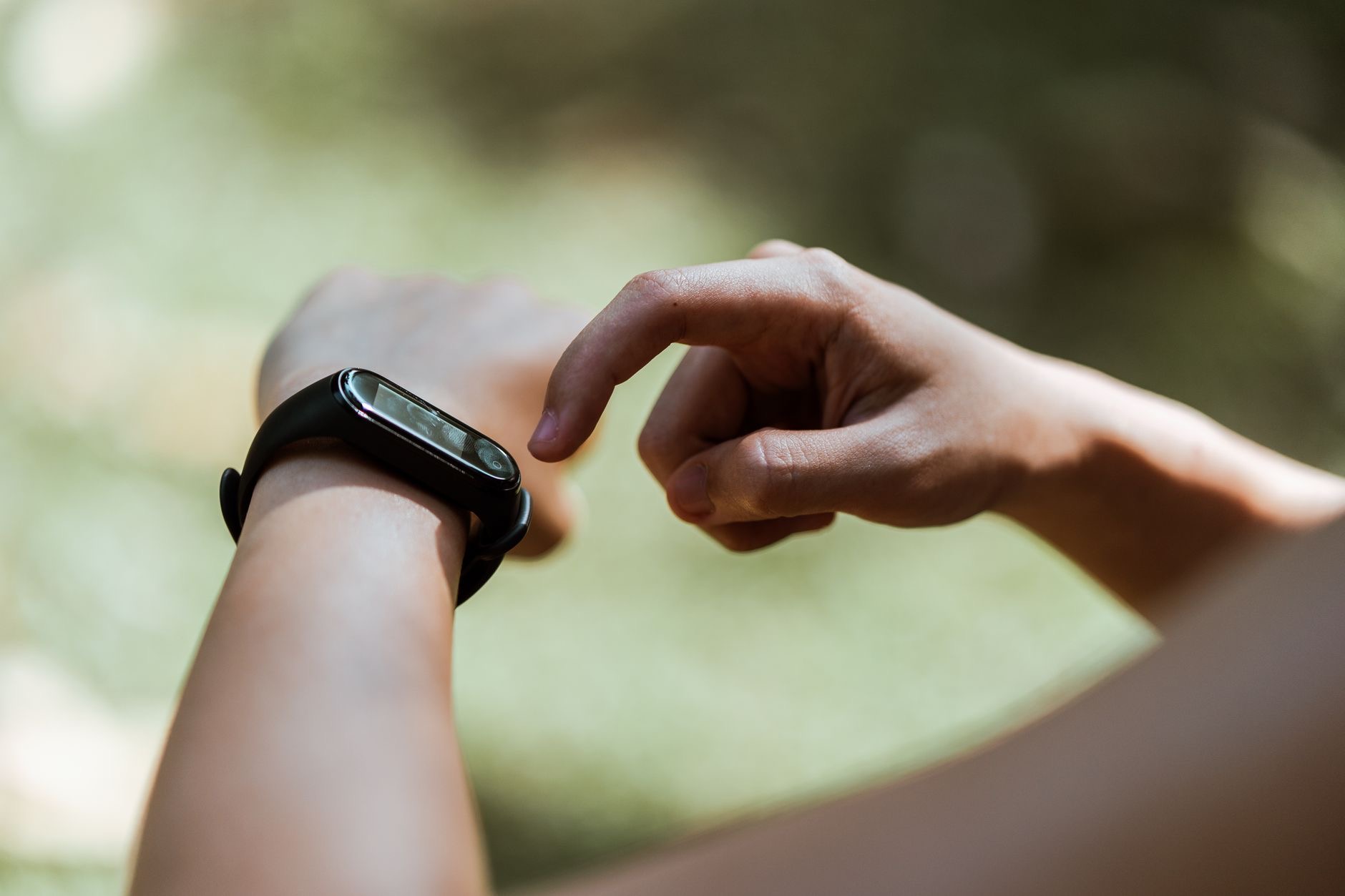
A few simple things help you get the best from heart-rate tracking. Wear the watch with a snug, comfortable fit so the sensor stays in good contact, and consider positioning it slightly higher on your wrist during workouts for steadier readings. Keeping the back of the watch and your skin clean and dry helps too. Vigorous, jerky movements and very cold conditions can sometimes affect optical readings, which is normal for this kind of technology. With a good fit and sensible conditions, the Apple Watch provides heart-rate readings that are genuinely useful for tracking your activity and fitness day to day.
A Window Into Your Wellness
Taken together, the Apple Watch's heart-rate tracking turns a clever use of light into a genuinely helpful everyday tool. By quietly measuring the rhythm of your blood flow, it gives you insight into your effort during exercise, your resting patterns over time, and how your body responds to activity, all from your wrist and without any fuss. Understanding that it works through optical sensing helps you wear it for the best results and interpret the numbers sensibly. It is a fine example of advanced technology made approachable, helping ordinary people understand their bodies a little better.
| Question | Answer |
|---|---|
| How does it measure heart rate? | Optical sensors using light reflected off blood flow |
| Why does fit matter? | The sensor needs good skin contact for accuracy |
| Does it track continuously? | Yes, periodically through the day and workouts |
| Is it a medical device? | A helpful wellness tool, not a clinical instrument |
Frequently Asked Questions
How does the Apple Watch measure heart rate?
It uses optical sensors on the back of the watch that shine light into your skin and measure how it reflects. Since blood flow changes with each heartbeat, the watch detects those changes and calculates your heart rate, all non-invasively through the sensor pressed against your wrist.
Why does the watch use light to read my pulse?
Because with each heartbeat, blood flow through your wrist changes, which affects how much light the skin absorbs and reflects. The sensor detects these rhythmic variations in reflected light and calculates your heart rate from their timing. It is essentially reading the rhythm of your blood flow.
Why does fit affect heart-rate accuracy?
Because the measurement depends on the sensor sitting against your skin and reading light. A loose watch lets in stray light and moves around, disrupting readings, while a snug, comfortable fit keeps the sensor in good contact for cleaner measurements, which matters especially during exercise.
Does the Apple Watch track heart rate all day?
It can monitor your heart rate periodically throughout the day and during workouts, automatically and continuously. This builds a picture of your patterns over time, enabling features like resting heart rate and seeing how your heart responds during exercise, without you needing to do anything.
What can my heart-rate data tell me?
It shows how hard you are working during exercise, helps you train at the right intensity, and your resting heart rate over time can indicate general fitness. Used thoughtfully it offers helpful insight, though it is a wellness tool for everyday understanding rather than a clinical medical instrument.
How do I get more accurate readings?
Wear the watch snugly and comfortably so the sensor stays in good contact, position it slightly higher on your wrist during workouts, and keep the watch back and your skin clean and dry. Very jerky movements or cold conditions can sometimes affect optical readings, which is normal.
The Bottom Line
The Apple Watch tracks your heart rate through an elegant use of optical sensors that read the rhythm of your blood flow using light, all from a small sensor against your wrist. A snug, comfortable fit gives the most reliable readings, and continuous tracking lets you understand your effort during exercise and your patterns over time. Treat the data as a helpful wellness insight rather than a medical diagnosis, wear the watch well, and it becomes a genuinely useful window into your body.
Leave a Reply