
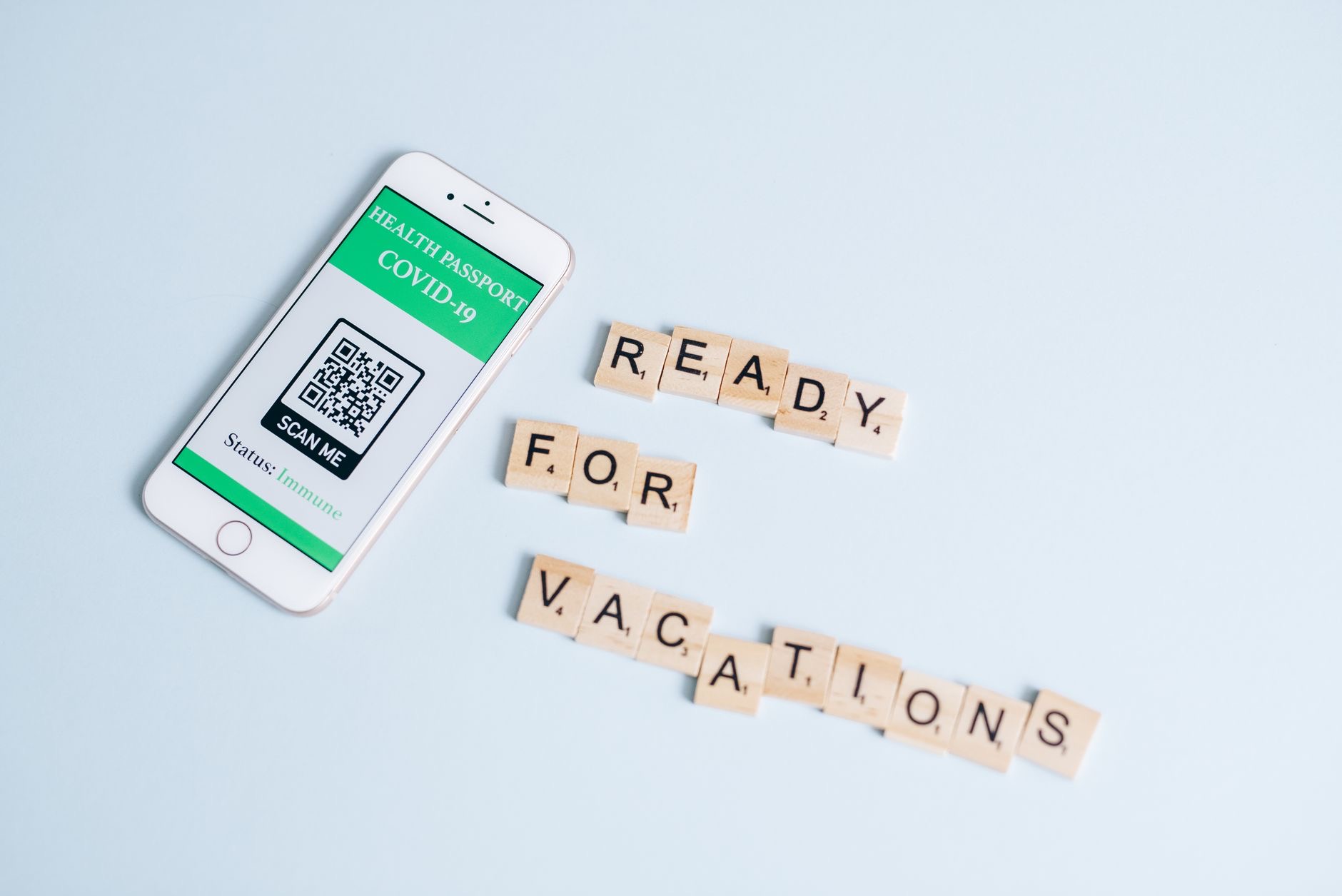
Whether you are traveling overseas or thinking of buying an iPhone from the US to use elsewhere, the same worry comes up: will it actually work? The short answer is usually yes, but with a few important catches that can leave you with a phone that will not connect. Drawing on common buying scenarios and user needs, here is exactly what to check so your iPhone works wherever you take it.
The Short Answer
In most cases, a US iPhone works in other countries, because modern iPhones support a wide range of network bands and are built for global use. But two things can stop it: a carrier lock that ties the phone to one network, and, in some regions, differences in supported bands or SIM type. Sort out those issues and your iPhone will happily connect abroad. Ignore them and you risk a phone that powers on but cannot get signal, which is exactly what we want to avoid.
The First Thing to Check: Carrier Lock
This is the most common reason a US iPhone fails abroad. If the phone is locked to a US carrier, it will only accept SIMs from that network, making it useless with a local SIM in another country. An unlocked iPhone, by contrast, accepts any compatible SIM and is what you want for travel or international use. Before you rely on a phone abroad, or buy one to use elsewhere, confirm it is unlocked. A locked phone is the single biggest pitfall here.
How to Tell If Your iPhone Is Unlocked
There are a few easy ways to check. On the phone, look in the cellular settings for any carrier lock information, or simply try inserting a SIM from a different network and see if it connects. If you are buying, ask the seller directly and get confirmation, and be wary of vague answers. An unlocked iPhone is far more valuable and flexible, so a seller who cannot or will not confirm the status is a warning sign, the same caution we recommend in our used iPhone checklist.
Network Bands and Coverage
Modern iPhones support most global network bands, so in the vast majority of countries a US model connects fine to local networks for calls, texts, and data. In a few cases, certain high-speed bands used in specific regions may not be fully supported, which can affect top data speeds rather than basic connectivity. For most travelers this is a non-issue, but if you are moving to a country long term, it is worth a quick check that your model supports the local bands well before you commit.

Physical SIM or eSIM?
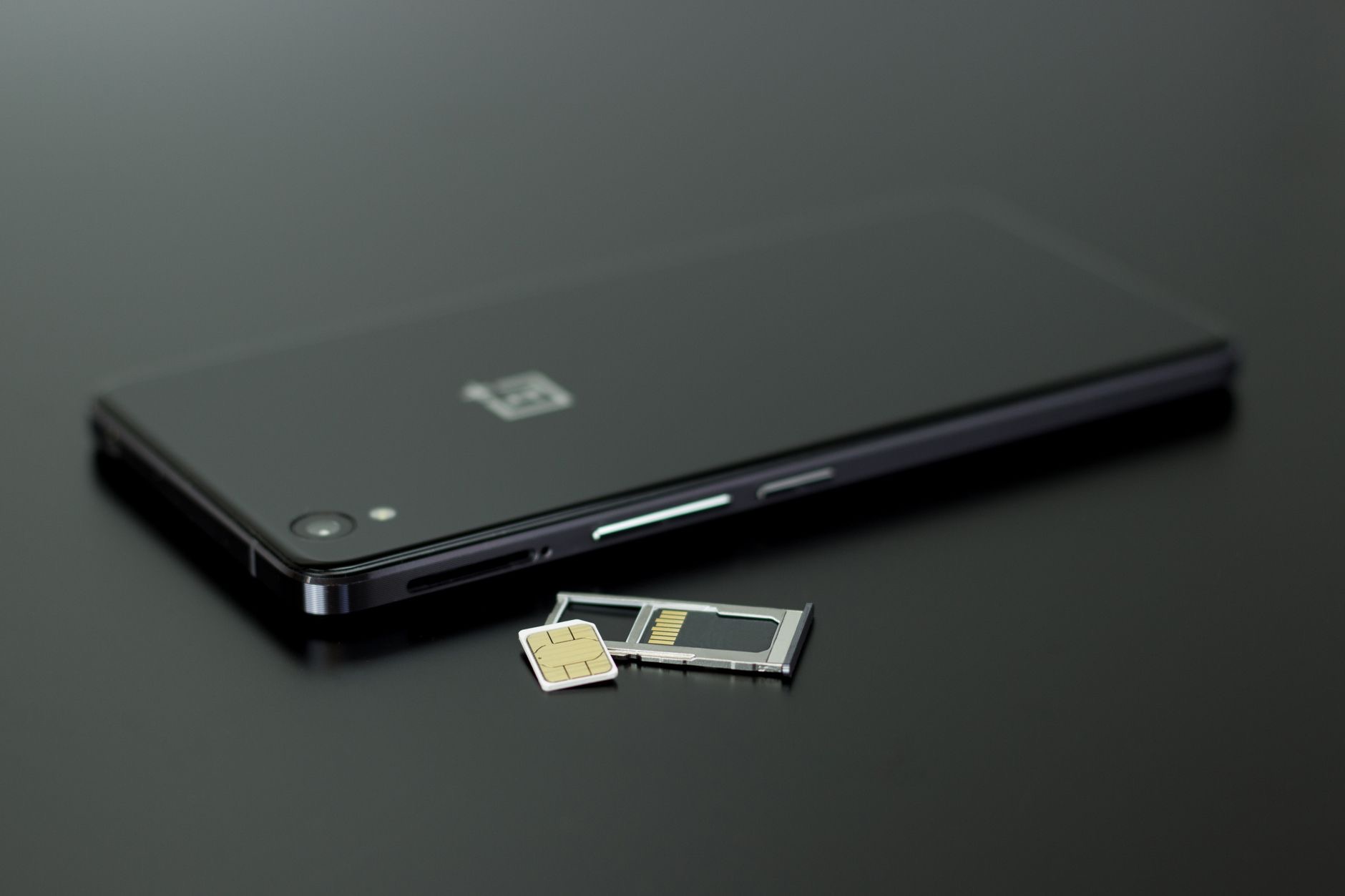
How your iPhone handles SIMs matters for international use. Many recent iPhones support eSIM, a digital SIM you can activate without a physical card, which is brilliant for travel because you can buy a local or travel plan and activate it instantly. Some US models rely on eSIM more heavily than versions sold elsewhere, which can be an advantage or a limitation depending on whether your destination supports eSIM widely. Check what your model uses and whether your destination's carriers offer eSIM, so you are not caught out on arrival.
Using Your iPhone While Traveling
For a trip abroad, you have a few good options. A local SIM or eSIM usually gives the cheapest data once you arrive. A travel eSIM bought before you leave lets you land connected. Or your home carrier's international roaming works without changing anything, though it is often the most expensive. Whichever you choose, an unlocked iPhone gives you the freedom to pick the cheapest option, while a locked one traps you on costly roaming, which is yet another reason to confirm the lock status first.
Buying a US iPhone to Use in Another Country
If you are tempted by US iPhone prices to buy one for use elsewhere, it can be a smart move, but do your homework. Make sure it is unlocked, confirm your destination's networks support the model's bands, and check how it handles SIMs versus eSIM in your country. Also consider warranty, since support terms can differ between regions. For most people in most countries, an unlocked US iPhone works well, but these checks turn a gamble into a confident purchase. Our iPhone buying guide helps you pick the right model in the first place.
The Checklist Before You Rely on It
Before you travel or buy, run through this. Confirm the iPhone is unlocked. Check that your destination's networks support its bands. Decide whether you will use a physical SIM or eSIM, and confirm your destination supports your choice. And sort out your data plan, local SIM, travel eSIM, or roaming, before you need it. Tick these off and your US iPhone will work smoothly almost anywhere. Skip them, and you risk arriving with a phone that cannot connect when you need it most.
| Check before you go | Why it matters |
|---|---|
| Is the iPhone unlocked? | Locked phones reject foreign SIMs |
| Are the local bands supported? | Affects coverage and data speed |
| Physical SIM or eSIM? | Decides how you get a local plan |
Quick Answers
Will a US iPhone work in another country?Usually yes, since iPhones support global bands. The main catches are a carrier lock, which blocks foreign SIMs, and occasionally regional band differences. Confirm the phone is unlocked first.
How do I know if my iPhone is unlocked?Try a SIM from another network, or check the cellular settings for lock information. If buying, ask the seller and get clear confirmation.
Can I use a local SIM abroad with a US iPhone?Yes, if the phone is unlocked. A local SIM or eSIM usually gives the cheapest data once you arrive in another country.
Does a US iPhone support eSIM abroad?Many do, which is great for travel. Check your model and whether your destination's carriers offer eSIM, since support varies by country.
Is it worth buying a US iPhone to use overseas?It can be, if it is unlocked and supports your country's networks. Check bands, SIM type, and warranty before buying to avoid surprises.
Will my US iPhone get fast data abroad?For most countries, yes. In a few regions, certain high-speed bands may not be fully supported, affecting top speeds rather than basic connectivity.
What About Warranty and Support Abroad?
One detail people overlook when using a US iPhone in another country is service and support. Warranty terms and repair options can differ between regions, and a phone bought in one country is not always covered the same way in another. For most travelers this never comes up, but if you are buying a US iPhone specifically to use long term elsewhere, it is worth understanding how support would work if something went wrong. Check whether repairs would be available locally and what the warranty actually covers across borders before you commit. For a short trip this matters little, since you are simply visiting. For a permanent move, it is a real consideration that can tip the decision toward buying locally instead, even if the upfront price is a little higher, because reliable support where you live carries its own lasting value.
The Honest Bottom Line
A US iPhone works in most countries, as long as it is unlocked and supports the local networks. The big pitfall is a carrier lock, which blocks foreign SIMs, so confirm that first, then check the bands and decide between a physical SIM and eSIM for your trip.
Sort those out and your iPhone will keep you connected almost anywhere. Where are you headed, or where do you plan to use it? Tell me in the comments and I will help you check it will work.
Leave a Reply