
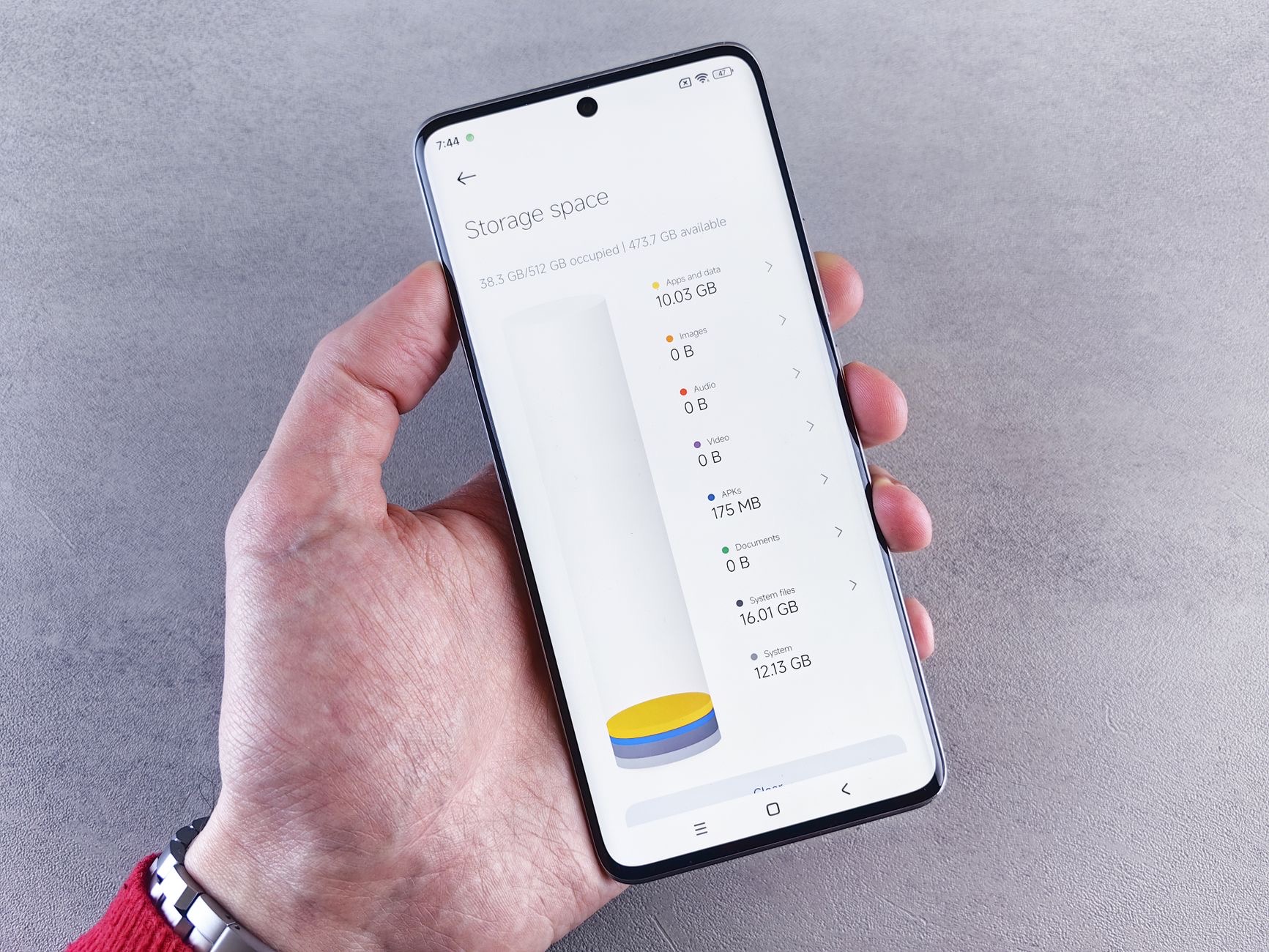
Choosing iPhone storage is one of those decisions that seems small at checkout but shapes your daily experience for years, and you cannot change it later. The 128GB versus 256GB question trips up a lot of buyers, who either overpay for space they never use or run out and regret it. Based on how people actually fill their phones, here is how to choose the right size with confidence for the way you really use your iPhone.
Why Storage Matters More Than People Think
Storage is the one spec you are stuck with for the life of the phone, since you cannot upgrade it later or add a memory card. Choose too little and you spend years deleting photos and apps to make room, which is a daily annoyance. Choose too much and you waste money on space you never touch. Getting it right means honestly matching the size to how you use your phone, rather than guessing or defaulting to the cheapest option.
What Actually Fills Up Your iPhone
It helps to know what eats storage. Photos and especially videos are by far the biggest consumers, growing steadily over years of use. Apps and games come next, with some modern games being surprisingly large. Downloaded music, podcasts, and offline shows add up if you keep a lot for offline use. Messages with their attachments quietly accumulate too. Knowing which of these describes you is the key to choosing between 128GB and 256GB.
Who 128GB Is Enough For
128GB is plenty for a lot of people, despite sounding modest. If you take a reasonable number of photos, do not shoot much long video, stream your music and shows rather than downloading them, and keep a normal set of apps, 128GB will serve you comfortably for years. For lighter users who are happy to let the cloud hold their photo library, the smaller size saves money without any real downside. Do not pay for 256GB if 128GB genuinely fits your habits.
Who Should Get 256GB
Step up to 256GB if you shoot a lot of photos and especially video, keep a large offline photo library on the phone, download music, podcasts, and shows for offline use, install many large games, or simply hate worrying about space. For heavy users, content creators, and anyone who keeps their phone for many years, the extra headroom is well worth it and prevents the constant juggling that a full phone forces on you. When in doubt and you use your phone heavily, 256GB is the safer choice.

The Video Factor
If there is one thing that decides this choice, it is video. Recording video, especially at high quality, devours storage faster than almost anything else, and a single long clip can be enormous. If you regularly record your kids, travels, or events, or shoot video for any reason, 128GB can fill alarmingly fast, and 256GB is the sensible pick. If you rarely record video, that pressure largely disappears, and 128GB becomes much more comfortable. Be honest about how much video you actually capture.
How iCloud Changes the Math
Cloud storage shifts the calculation. With photos backed up and optimized to the cloud, your iPhone can keep lighter versions on the device while the full-resolution originals live online, which stretches a smaller storage tier much further. If you happily use iCloud for your photo library, 128GB goes a long way. If you prefer to keep everything stored directly on the phone, you will fill it faster and 256GB makes more sense, as our iCloud storage guide explains.
The Cost of Choosing Wrong
Weigh the real consequences. Paying for 256GB you do not need wastes money that could go toward a better model or accessories. But choosing 128GB and constantly running out means years of deleting photos, offloading apps, and seeing storage-full warnings at the worst moments, which is a genuine daily frustration. Because you cannot change it later, the safer error for most people who are unsure is to size up one tier, since regret over a full phone is far more common than regret over unused space.
The Simple Rule
Here is the bottom line. If you are a light-to-moderate user who streams media and uses iCloud for photos, 128GB is the smart, money-saving choice. If you shoot lots of video, keep media offline, install large games, or want to keep the phone for many years without ever thinking about space, choose 256GB. When genuinely unsure, sizing up one tier is the safer bet, since you cannot add storage later. For more on choosing the right iPhone overall, see our iPhone buying guide.
| Choose 128GB if... | Choose 256GB if... |
|---|---|
| You take moderate photos and little video | You shoot lots of photos and video |
| You stream music and shows | You keep media offline |
| You use iCloud for photos | You keep everything on the phone |
★ Editor's Pick · Amazon
iPhone 16
Check today's price on Amazon
Quick Answers
Is 128GB enough for an iPhone?For many people, yes. If you take moderate photos, stream your media, and use iCloud for your photo library, 128GB comfortably lasts for years. Heavy video shooters should size up.
Who needs 256GB?People who shoot lots of photos and video, keep music and shows offline, install many large games, or want to keep their phone for years without worrying about space.
What uses the most storage on an iPhone?Photos and especially video are by far the biggest, followed by apps and games, offline media, and message attachments.
Can I add storage to an iPhone later?No. iPhone storage is fixed at purchase with no memory card option, so choose carefully, since you cannot upgrade it afterward.
Does iCloud reduce how much storage I need?Yes. Backing up and optimizing photos to iCloud lets the phone keep lighter versions, stretching a smaller tier further. If you keep everything on-device, you need more.
Should I size up if I'm unsure?Generally yes. Because you cannot change it later, running out of space is a more common regret than paying a little for headroom you occasionally use.
Do You Ever Need 512GB or More?
Above 256GB sit even larger tiers, and it is worth knowing who they are for so you do not overspend. The very large storage options make sense only for a narrow group: people who shoot huge amounts of high-resolution video, professional creators who edit on their phone, or those who keep enormous offline libraries of media and games directly on the device. For the overwhelming majority of users, even heavy ones, 256GB is plenty, and paying for 512GB or beyond means buying space you will almost certainly never fill. Unless you can clearly name a reason you would exceed 256GB, such as regularly recording long high-quality video, the larger tiers are poor value. The smart move is to be honest about your real usage rather than buying the biggest size for peace of mind, since that peace of mind is expensive and, for most people, completely unnecessary. Match the tier to genuine need, not to worst-case imagination.
★ Editor's Pick · Amazon
iPhone 16
Pick your storage size on Amazon
Models: iPhone 16 · iPhone 16 Pro
My Honest Verdict
For light-to-moderate users who stream media and lean on iCloud, 128GB is the smart, money-saving choice. For anyone who shoots lots of video, keeps media offline, installs big games, or wants years of worry-free space, 256GB is worth the step up. The video question often decides it.
Since you cannot change it later, size up when you are unsure. How much video do you shoot, honestly? Tell me in the comments and I will tell you which size fits.
Leave a Reply