
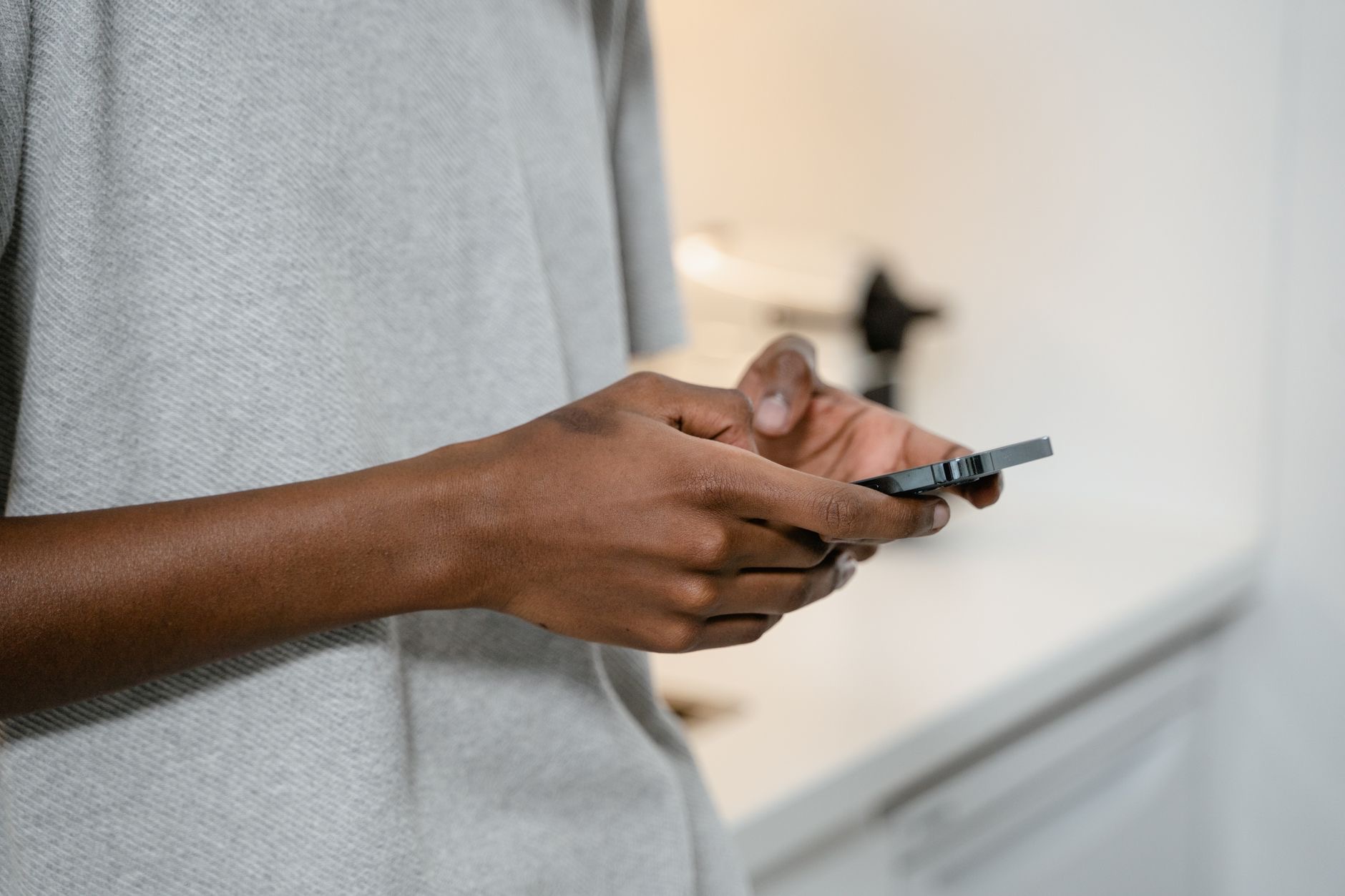
There is a special kind of heartbreak in that moment: your iPhone slips, hits the floor, and you turn it over to find a spiderweb of cracks across the screen. Repairs are expensive, and a cracked screen is a daily annoyance. The best time to protect your iPhone is before it falls, not after. Here is exactly how to stop your iPhone screen from cracking, with simple habits and the right protection that pays for itself the first time you drop it.
Why Screens Crack, and Why Prevention Wins
iPhone screens crack because glass meets a hard surface at the wrong angle, and it only takes one unlucky drop. The problem is that repairs are costly and inconvenient, often approaching a meaningful chunk of the phone's value. That is why prevention is so worthwhile: a little protection and a few good habits cost a fraction of a single screen repair and spare you the whole ordeal. Protecting your screen is not being overly cautious, it is simply smart, since everyone drops their phone eventually, usually when they least expect it.
Step One: A Good Screen Protector
The most direct way to protect your screen is a quality tempered glass screen protector. It sits over your display and takes the impact, absorbing and spreading the force of a drop so the protector cracks instead of your actual screen. Replacing a shattered protector is cheap and easy, replacing a shattered iPhone screen is not. This single, inexpensive accessory is the first thing you should add to any iPhone, and it has saved countless screens from drops that would otherwise have been disasters.
★ Editor's Pick · Amazon
Tempered Glass Screen Protector
Takes the hit so your actual screen does not, cheap to replace
Model: iPhone 16 · iPhone 16 Pro
Step Two: A Protective Case
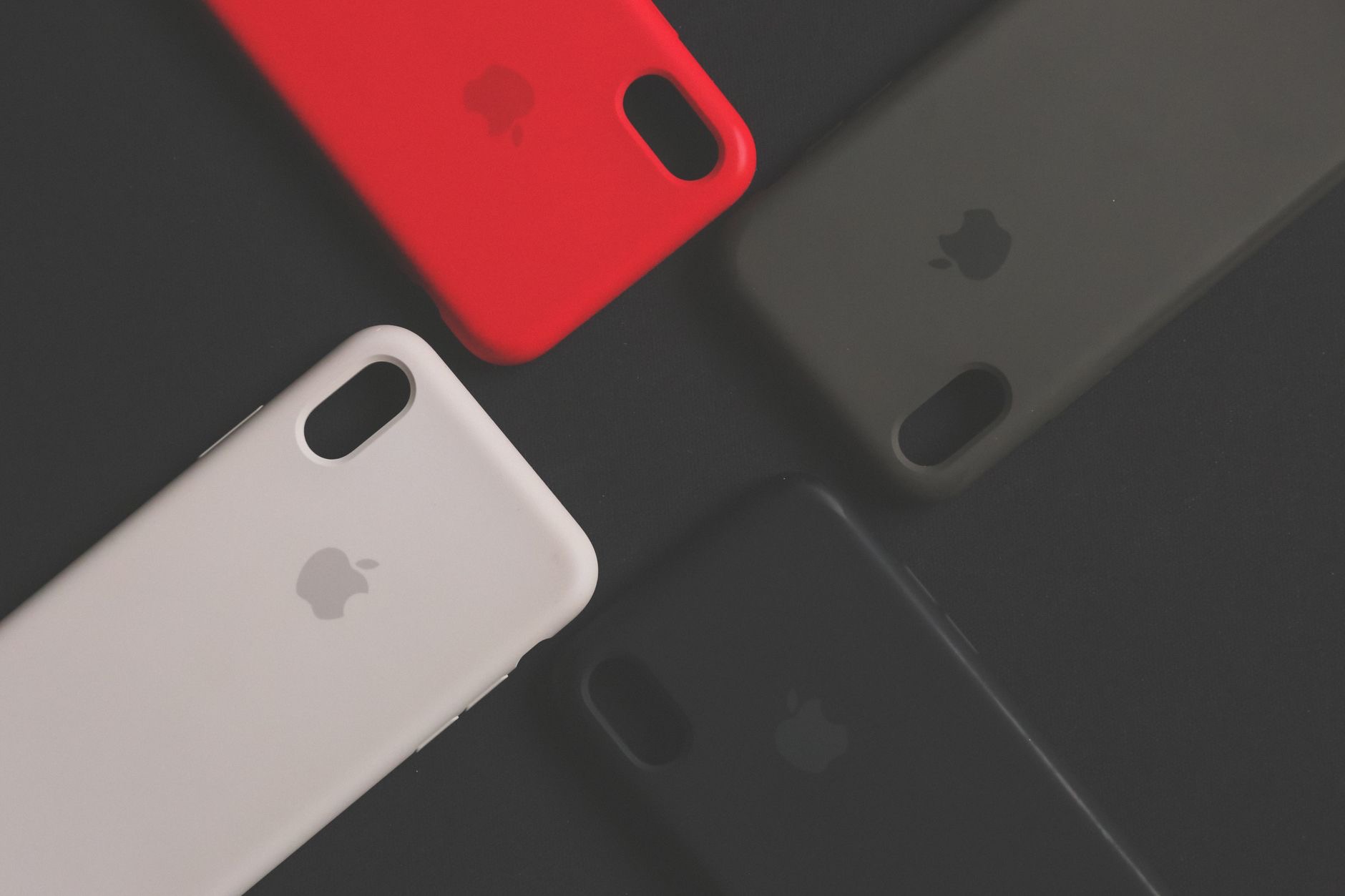
A screen protector guards the glass, but a case protects the whole phone, and crucially, the corners and edges where drops do the worst damage. A good case cushions impacts and often raises a lip around the screen so it does not hit the ground directly when the phone lands face down. For real peace of mind, a protective or rugged case is your phone's best friend. Together with a screen protector, it forms a complete defense that turns most drops into a shrug rather than a costly, gut-wrenching repair.
★ Editor's Pick · Amazon
Protective iPhone Case
Cushions the corners and edges where drops hit hardest
Options: Rugged (16) · Rugged (16 Pro) · Clear (16)
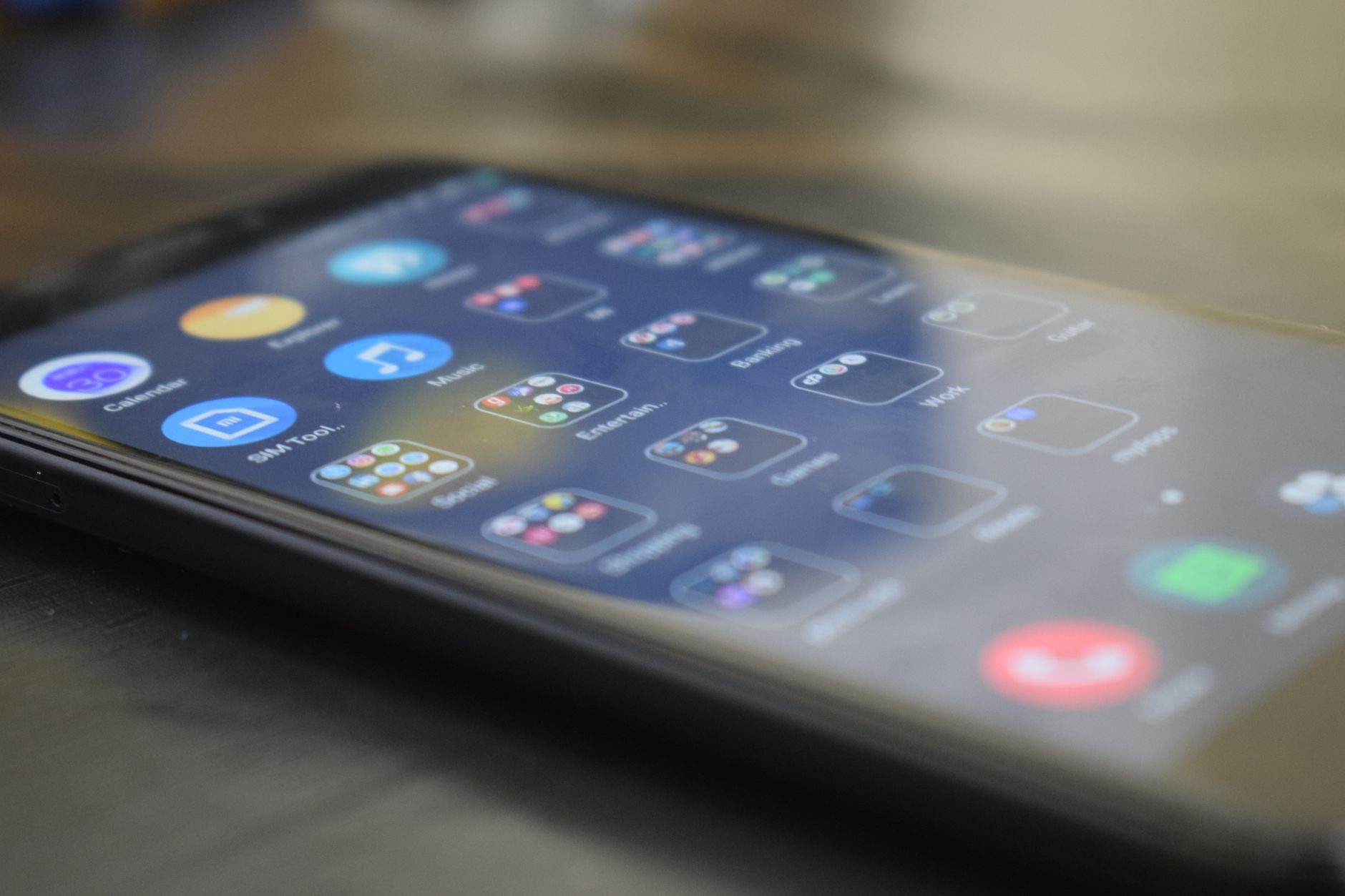
Choose the Right Level of Protection
Not everyone needs the same case. If you are hard on your phone, active, outdoorsy, or prone to drops, a rugged case with serious drop protection is worth it. If you are gentler and want to keep your iPhone slim and show off its color, a slimmer clear or light case still adds real protection over nothing at all. The key is that any good case plus a screen protector dramatically cuts your risk. Match the level of protection to your lifestyle, but do not go without protection entirely.
Habits That Prevent Drops
Protection helps most when paired with a few sensible habits. Be extra careful on hard surfaces like tile, concrete, and stairs, where drops are most destructive. Avoid using your phone at the top of stairs or while walking distractedly. Keep it in a secure pocket or bag rather than loosely in your hand in risky spots. A popsocket or grip accessory can make the phone easier to hold and harder to fumble. None of this is about paranoia, just small awareness that keeps your phone in your hand and off the floor.
Do Not Forget the Back and Camera
Screens get the attention, but the back glass and camera lenses can crack too, and those repairs are also costly. A good case that covers the back and raises a lip around the cameras protects these vulnerable areas as well. When choosing a case, look for one that guards the whole phone, not just the front. Complete protection, front glass, back, edges, and camera, means that whichever way your phone lands, it is shielded. That all-around defense is what truly keeps your iPhone looking new and working perfectly.
The Small Cost That Saves a Big One
Here is the honest math: a screen protector and a case together cost a small fraction of a single screen repair, let alone a back-glass or multiple repair. They pay for themselves the very first time they save your phone from a drop, and they keep on protecting it for the life of the device. Adding them the day you get your iPhone, before any accident, is one of the smartest, cheapest decisions you can make. A little prevention now spares you a lot of expense and frustration later.
| Protection | What it guards against |
|---|---|
| Screen protector | Cracked front glass from drops |
| Protective case | Corner, edge, and back damage |
| Grip accessory | Fumbles and slips from your hand |
| Careful habits | Drops on hard, risky surfaces |
Frequently Asked Questions
How can I stop my iPhone screen from cracking?
Add a quality tempered glass screen protector and a protective case, which together take the impact of drops so your actual screen does not. Pair them with careful habits on hard surfaces and a secure grip. This inexpensive combination dramatically cuts your risk of a costly cracked screen.
Do screen protectors actually work?
Yes. A good tempered glass protector absorbs and spreads the force of a drop, cracking instead of your real screen. Replacing a shattered protector is cheap and easy, while replacing an iPhone screen is expensive. It is the single most cost-effective way to protect your display.
Do I need a case and a screen protector?
For full protection, yes. A screen protector guards the front glass, while a case protects the corners, edges, and back where drops do the worst damage and often raises a lip so the screen does not hit the ground directly. Together they form a complete defense against drops.
What kind of case protects best?
A rugged case with serious drop protection is best if you are active or prone to drops. If you prefer slim, a lighter clear case still adds real protection over nothing. Look for one that covers the back and raises a lip around the screen and cameras for all-around defense.
Can the back of my iPhone crack too?
Yes, the back glass and camera lenses can crack from drops, and those repairs are also costly. Choose a case that covers the back and raises a lip around the cameras so whichever way your phone lands, it is protected. Complete coverage keeps the whole phone safe, not just the screen.
Is it worth protecting my phone if I am careful?
Yes, because everyone drops their phone eventually, usually unexpectedly. A screen protector and case cost a small fraction of a single repair and pay for themselves the first time they save your screen. Even careful people benefit, since one unlucky moment is all it takes to crack an unprotected screen.
The Bottom Line
You cannot promise you will never drop your iPhone, but you can make sure a drop does not ruin it. A tempered glass screen protector takes the hit for your display, a protective case shields the corners, edges, and back, and a few careful habits keep the phone in your hand. Together they cost a fraction of a single screen repair and protect your phone for its whole life. Add them before an accident happens, and you may never see that spiderweb of cracks at all.
Leave a Reply