
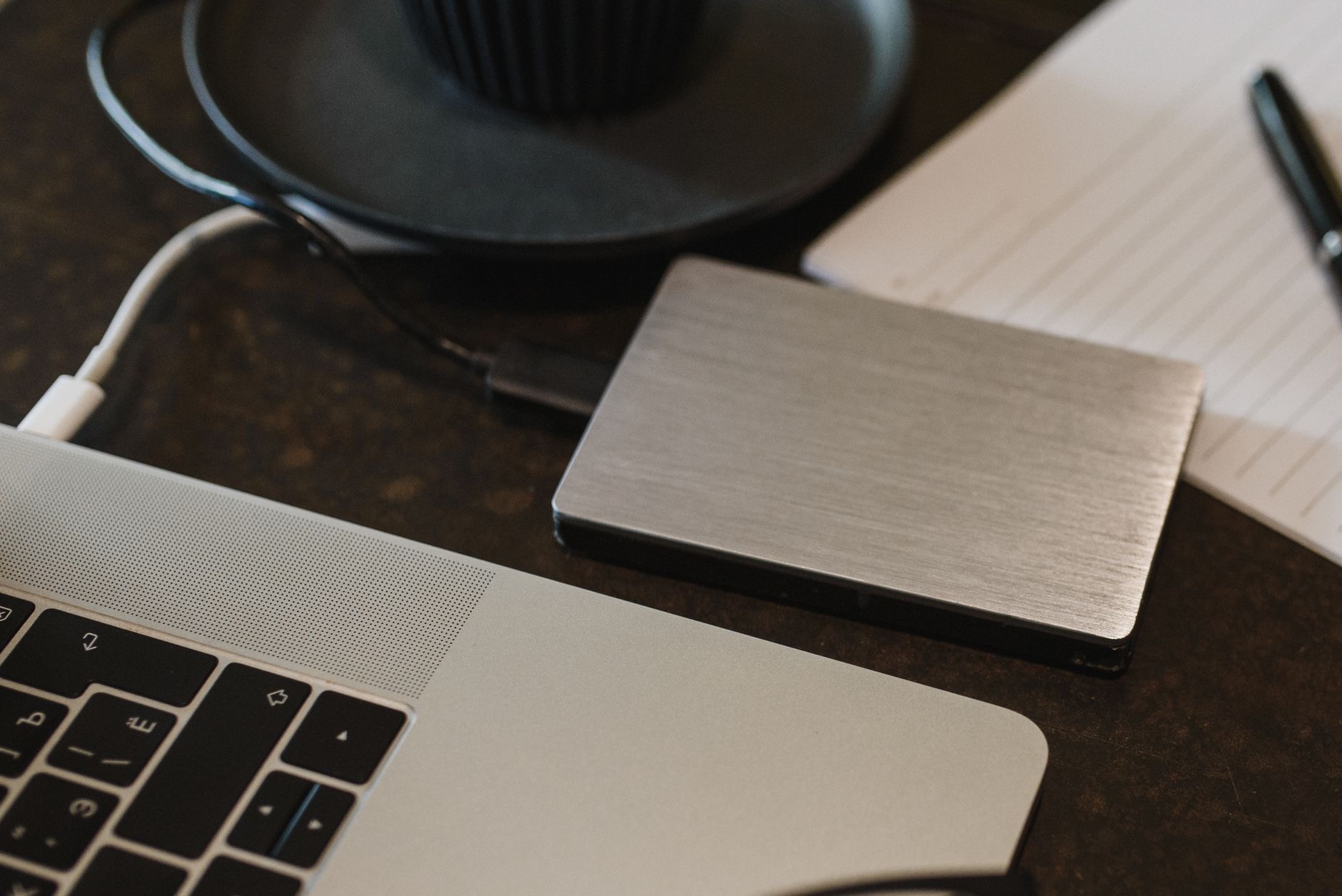
Imagine losing every photo, document, and file on your Mac in an instant, a failed drive, a spilled drink, a lost laptop. It happens to people every day, and the ones who had a backup shrug it off while the ones who did not lose years of memories and work. The good news is that backing up your Mac is easy and affordable. Here is the best way to protect everything on your Mac so you never lose a file again.
Why You Absolutely Need a Backup
Your Mac holds irreplaceable things: photos of people you love, important documents, projects, and memories. Drives fail, laptops get lost or stolen, accidents happen, and when they do without a backup, everything is simply gone, often with no way to recover it. A backup is cheap insurance against a disaster that would otherwise be devastating. It is one of those things people always mean to set up and often only appreciate after a loss. Do it now, before anything goes wrong, and you never have to face that particular heartbreak.
The Simplest Solution: An External Drive
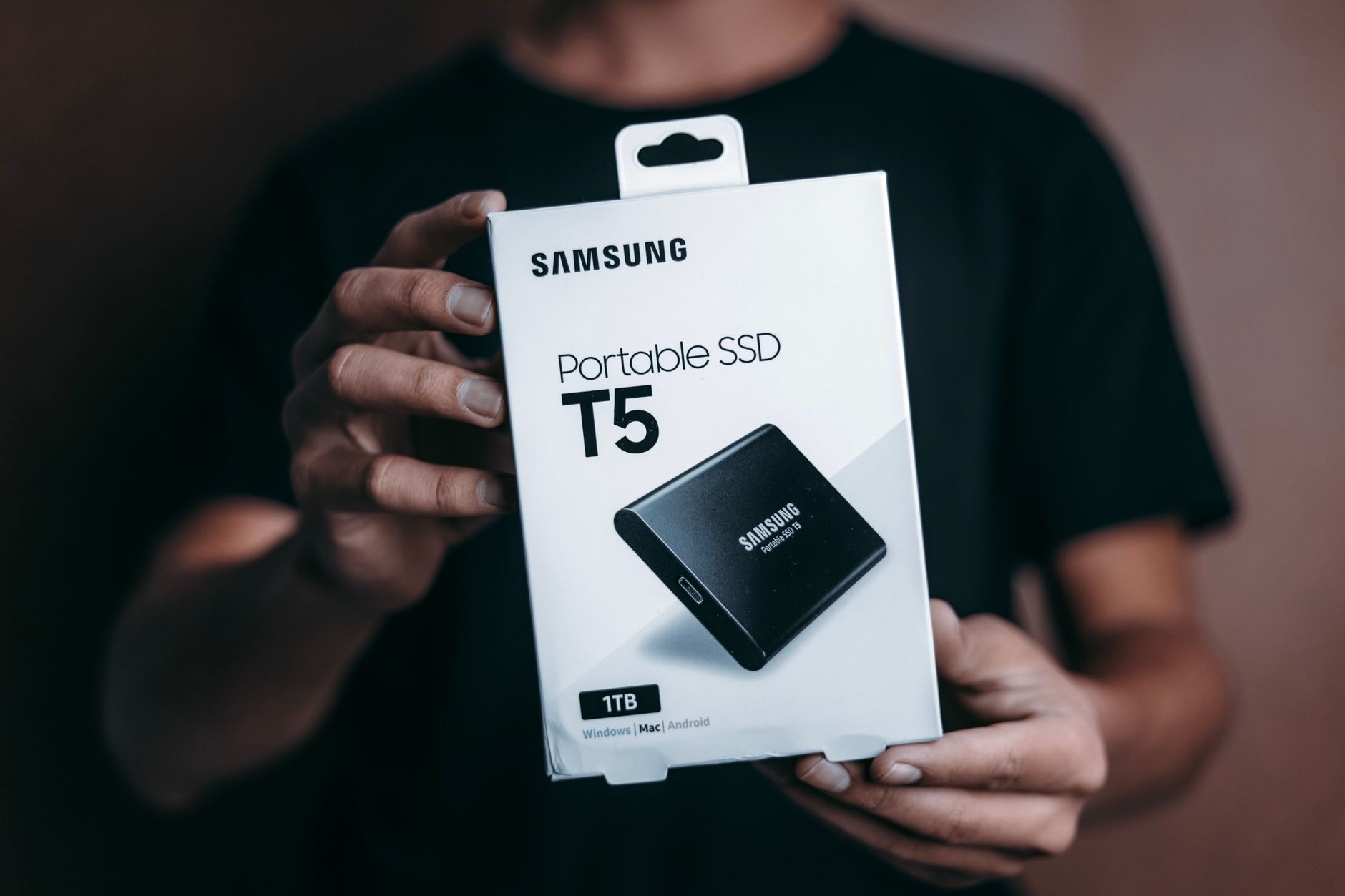
The easiest, most reliable way to back up your Mac is with an external drive. Your Mac has a built-in backup feature that, once you connect a drive, can automatically and regularly copy everything for you in the background. You set it up once, and from then on your files are continuously protected without you having to think about it. A portable external SSD is fast, compact, and perfect for this, giving you a complete, automatic safety net for everything on your Mac. It is the foundation of protecting your data.
★ Editor's Pick · Amazon
Portable External SSD
Fast, compact storage for automatic Mac backups
How to Set It Up in Minutes
Setting up a backup is refreshingly simple. Connect your external drive to your Mac, and your Mac can offer to use it for automatic backups. Once you confirm, it begins copying your files and then keeps them updated regularly in the background. That is genuinely most of the work. From that point, your Mac quietly maintains a full backup, so if disaster strikes, you can restore everything. Spending a few minutes on this today buys you complete peace of mind for as long as you keep the backup running. There is no reason to put it off.
Choosing the Right Drive
For backups, capacity matters: your backup drive should comfortably exceed the amount of data on your Mac so it has room to store your files and their history. A modern SSD is ideal because it is fast, durable, and pocketable, though larger capacities give you more room and a longer history of versions. Think about how much data you have and choose a drive with generous headroom. A slightly larger drive than you think you need is a smart choice, since it leaves room to grow and keeps your backups thorough.
★ Editor's Pick · Amazon
Larger Capacity SSD
More room means a longer backup history and space to grow
The Extra Layer: Off-Site and Cloud
An external drive backup is excellent, but the safest approach adds a second layer, because a drive kept next to your Mac could be lost in the same fire, flood, or theft. Keeping an additional backup somewhere else, or using a cloud service alongside your local backup, protects you even against those bigger disasters. You do not have to overcomplicate it, but combining a local external drive with an off-site or cloud copy gives you serious, resilient protection. For truly precious data, that belt-and-suspenders approach is worth the small extra effort.

Keep Your Backup Working
A backup only helps if it is actually running, so make it a habit to keep your drive connected or to plug it in regularly, and occasionally check that backups are up to date. If you use a portable Mac, connecting the drive when you are at your desk keeps things current. The goal is a recent, complete copy of your data at all times. A little attention ensures that if the worst happens, your backup is fresh and ready. Set it up well, check on it now and then, and your files stay safe.
| Backup layer | Protects against |
|---|---|
| External drive backup | Drive failure, accidents, deletions |
| Larger capacity drive | Running out of backup space |
| Off-site or cloud copy | Fire, flood, theft, loss |
| Regular checks | An out-of-date, stale backup |
Frequently Asked Questions
What is the best way to back up a Mac?
The simplest, most reliable way is with an external drive using your Mac's built-in backup feature, which automatically copies everything in the background once set up. A portable SSD is ideal. For maximum safety, add a second off-site or cloud copy to protect against fire, flood, or theft.
Why do I need to back up my Mac?
Because drives fail, laptops get lost or stolen, and accidents happen, and without a backup, your photos, documents, and files can be gone for good. A backup is cheap insurance against a devastating loss. Setting it up before anything goes wrong spares you from losing irreplaceable data.
How do I set up a Mac backup?
Connect an external drive to your Mac, and your Mac can offer to use it for automatic backups. Confirm, and it begins copying your files and keeps them updated in the background. It takes just a few minutes to set up, then protects your data continuously without further effort.
What size backup drive do I need?
Your backup drive should comfortably exceed the amount of data on your Mac so it has room for your files and their history. A slightly larger drive than you think you need is smart, leaving room to grow and keeping backups thorough. Larger capacities also store a longer history of versions.
Is an external drive enough, or do I need cloud too?
An external drive is excellent and the essential first step. For the safest protection, add a second layer, an off-site or cloud copy, since a drive next to your Mac could be lost in the same fire, flood, or theft. Combining local and off-site backups gives resilient, serious protection.
How often should my Mac back up?
Ideally continuously or very regularly, which the automatic backup feature handles once your drive is connected. Keep the drive plugged in or connect it often if you use a laptop, and occasionally check that backups are current. The goal is always having a recent, complete copy of your data.
The Bottom Line
Backing up your Mac is the single most important thing you can do to protect your photos, documents, and memories, and it is easy and affordable. Connect an external SSD and let your Mac's built-in backup run automatically in the background. For the safest setup, add an off-site or cloud copy too. Choose a drive with generous capacity, keep it connected, and check in now and then. Do this today, and a failed drive or lost laptop becomes an inconvenience, not a catastrophe.
Leave a Reply