
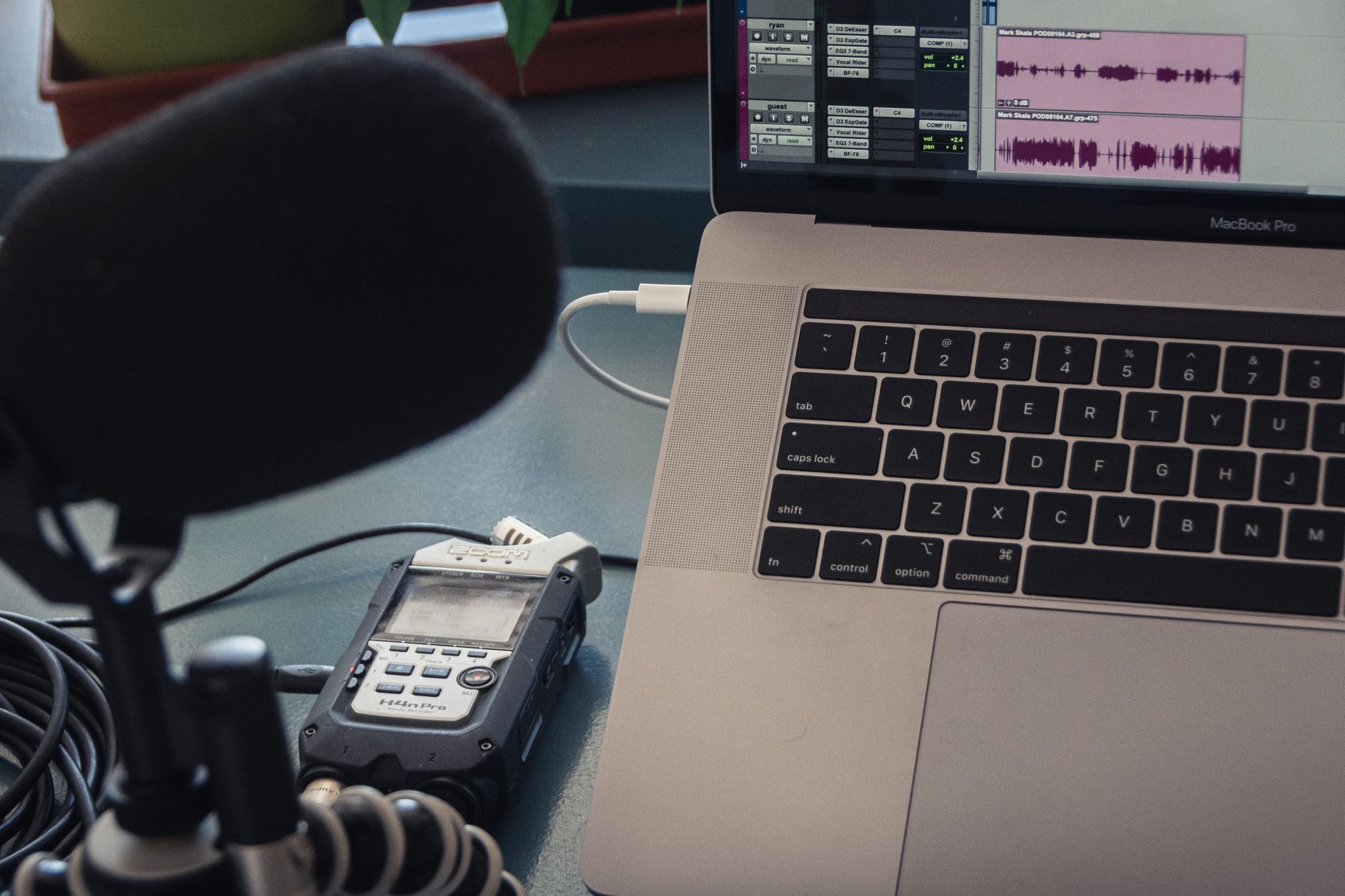
Every podcast you love started the way yours will: someone, a room, and a microphone that was probably too far away. The gap between amateur sound and professional sound is not a studio, it is three decisions, the room you pick, the mic you use, and the distance you keep. Your iPhone handles the rest. Here is how to record a podcast that people can actually listen to.
The Room Is Half the Recording
Before any gear, walk your home clapping once in each room, seriously. The room with the deadest, shortest clap is your studio, usually the one full of soft things: bedroom, closet lined with clothes, a lounge with curtains and cushions. Bare walls and hard floors produce the echoey, recorded-in-a-bathroom sound that no editing rescues. Blankets over hard surfaces work wonders on a budget. Pros do not have magic voices. They have dead rooms.
The Mic Decision That Changes Everything
The iPhone's built-in mics are made for calls, not shows, and the difference announces itself in the first sentence: distant, roomy, thin. An external microphone is the single purchase that moves your podcast from someone talking near a phone to a voice in the listener's head. It is the one non-negotiable item of gear in this entire craft, and it costs less than podcasters spend on cover art.
★ Editor's Pick · Amazon
iPhone Microphone
The gap between near a phone and in their head
The Distance Rule
Once the mic exists, obey the rule pros never break: close and constant. A hand's width from mouth to mic, held steady for the whole session, is what produces that warm, intimate podcast sound, and it is also why headphone listeners feel like the host is talking to them personally. Drift closer and you boom, drift away and you thin out. Mark your position, keep it, and your voice stays the same voice from minute one to minute forty.
Build a Rig That Holds Still
Handholding a phone for an hour produces rustles, bumps, and a slow orbit away from the mic position you promised to keep. A tripod fixes the phone, the mic, and the distance in one move, turning your kitchen table into a repeatable studio: same setup, same sound, every episode. Consistency is the most underrated production value in podcasting, and it is a one-time purchase.
★ Editor's Pick · Amazon
iPhone Tripod
Same setup, same sound, every episode
Record Smart, Not Just Long
Practical craft that saves hours: record a ten-second test and listen on headphones before every session, because the take you check is never the take that betrays you. Put the phone in a focus mode so a notification does not ring through your best segment. Record in segments rather than marathon takes, mistakes cost a redo of minutes instead of an hour. And leave three seconds of silence at the start, editors call it room tone, and future-you will use it to patch edits invisibly.
Ship the Imperfect Episode
The last technique is psychological: the first episodes of nearly every show you admire were rough, and they shipped anyway. A dead room, a real mic at a constant distance, and segment recording already put your sound above most first attempts. Perfectionism kills more podcasts than bad audio ever has. Record it, trim the worst, publish, and let episode twelve embarrass episode one the way it is supposed to.
| The decision | The pro move |
|---|---|
| The room | Deadest clap in the house, soften with blankets |
| The mic | External, always, non-negotiable |
| The distance | A hand's width, held constant |
| The session | Test on headphones, record in segments |
Frequently Asked Questions
Can I record a professional podcast on an iPhone?
Yes, the iPhone is a fully capable recorder. The professional gap is closed by three decisions it cannot make for you: a soft, dead room instead of an echoey one, an external microphone instead of the built-ins, and a close, constant mouth-to-mic distance held for the whole session.
Do I need an external microphone for podcasting?
It is the one non-negotiable purchase. Built-in mics are tuned for calls and sound distant and thin for shows, while an external mic puts your voice directly in the listener's head. No room treatment or editing compensates for recording on the wrong microphone.
What room should I record a podcast in?
The one with the deadest sound, test by clapping once in each room and listening for the shortest echo. Rooms full of soft things, beds, curtains, clothes, cushions, absorb reflections that bare-walled rooms throw back. Blankets over hard surfaces upgrade any space cheaply.
How far should the mic be from my mouth?
About a hand's width, and crucially, the same distance for the entire session. Close and constant is what creates the warm, intimate podcast sound. Drifting ruins more recordings than background noise does, which is why a tripod-mounted rig beats handholding for anything longer than a clip.
How do I avoid ruining a recording session?
Three habits: record a ten-second test and check it on headphones first, enable a focus mode so notifications cannot ring through a take, and record in segments so a stumble costs minutes rather than the hour. Leave a few seconds of silence at the start for invisible edits later.
What stops most podcasts from ever launching?
Perfectionism, not audio quality. First episodes of beloved shows were rough and shipped anyway. With a dead room, a real mic at constant distance, and segment recording, your sound already beats most debuts, so record, trim, publish, and improve in public.
The Bottom Line
A professional-sounding podcast is three decisions and a phone: the deadest room in the house, an external microphone, and a hand's width of distance held constant on a tripod-mounted rig. Test on headphones, silence notifications, record in segments, and keep three seconds of room tone. Then commit the bravest act in podcasting, shipping episode one before it is perfect. The studio was never the secret. The habits were.
Leave a Reply