
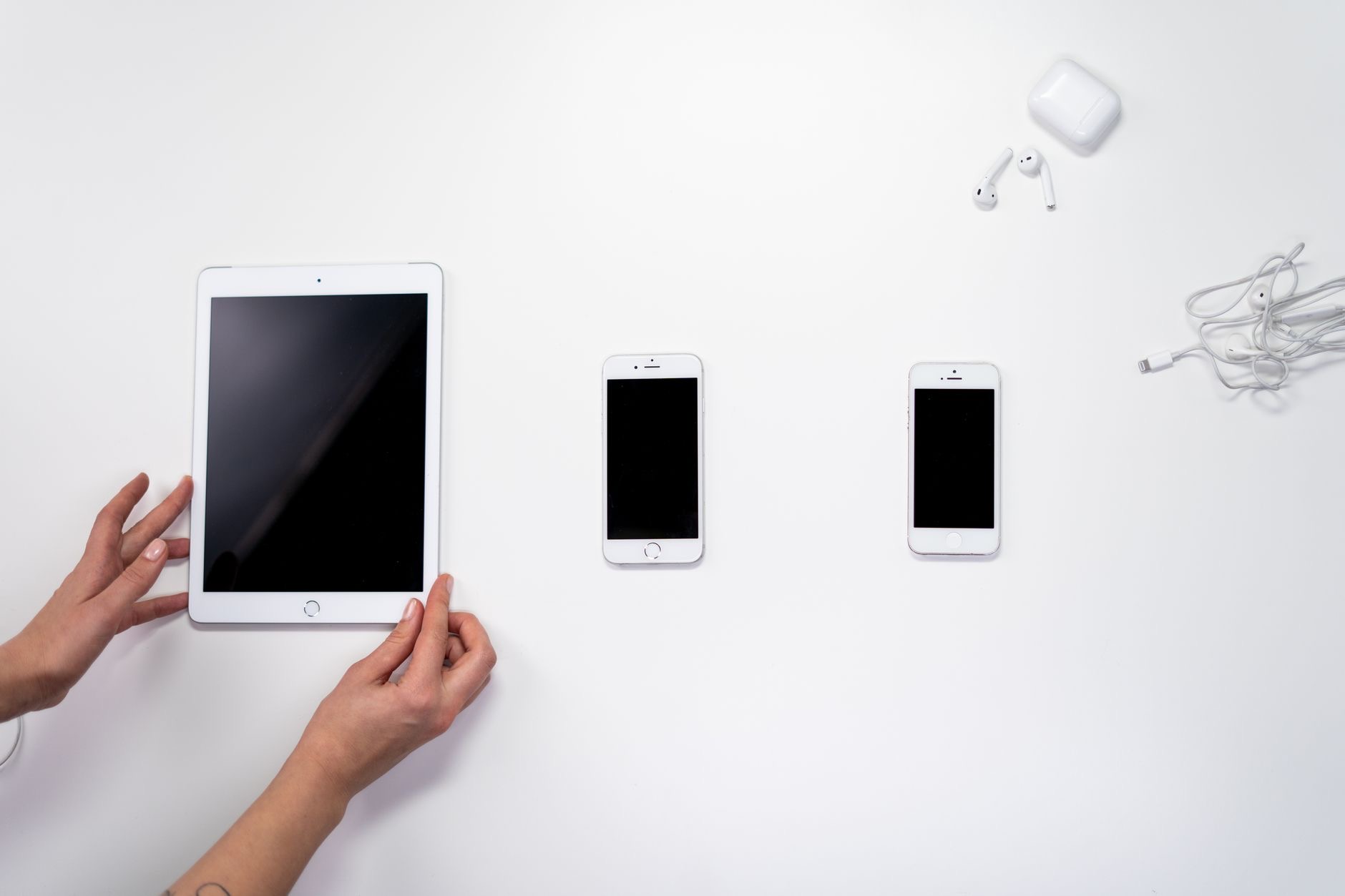
It is one of the most common questions before spending real money on a phone: how long will this thing actually last? The good news is that iPhones are known for lasting a long time, often far longer than people expect. But "last" can mean several different things, and understanding what truly ages in a phone helps you get the most from your investment. Let us unpack how long iPhones really last and what wears out first.
The Short Answer
For most people, an iPhone comfortably lasts several years of daily use, and many continue serving well beyond that. iPhones have a strong reputation for longevity, helped by durable build quality and notably long software support compared to much of the industry. It is entirely normal to keep an iPhone for many years and have it remain perfectly usable. So if you are wondering whether a new iPhone is a sensible investment, the answer is generally yes: you are buying a device built to stay useful for a long time, not something designed to fade after a year or two.
What Actually Wears Out First
The part of an iPhone most likely to show its age is the battery. All rechargeable batteries gradually lose capacity as they go through charge cycles, which means an older iPhone will hold less charge than it did when new and may need charging more often. This is normal and expected, not a fault. Importantly, a worn battery is also the most fixable issue, since a battery replacement can give an older iPhone a genuine second life. Beyond the battery, the rest of the phone, the chip, screen, and cameras, tends to keep performing well for years, which is why battery health is the single biggest factor in how an aging iPhone feels.
Software Support: A Big Reason iPhones Last
One of the strongest reasons iPhones stay useful for so long is their software support. Apple is known for providing software updates to its iPhones for many years after release, which is a longer support window than much of the phone market offers. This matters because ongoing updates keep your phone secure, compatible with apps, and feeling current well into its life. An iPhone that still receives updates is one that stays safe and capable, which is a major part of why these phones remain genuinely usable years after purchase rather than becoming obsolete quickly.
How to Make Your iPhone Last Longer
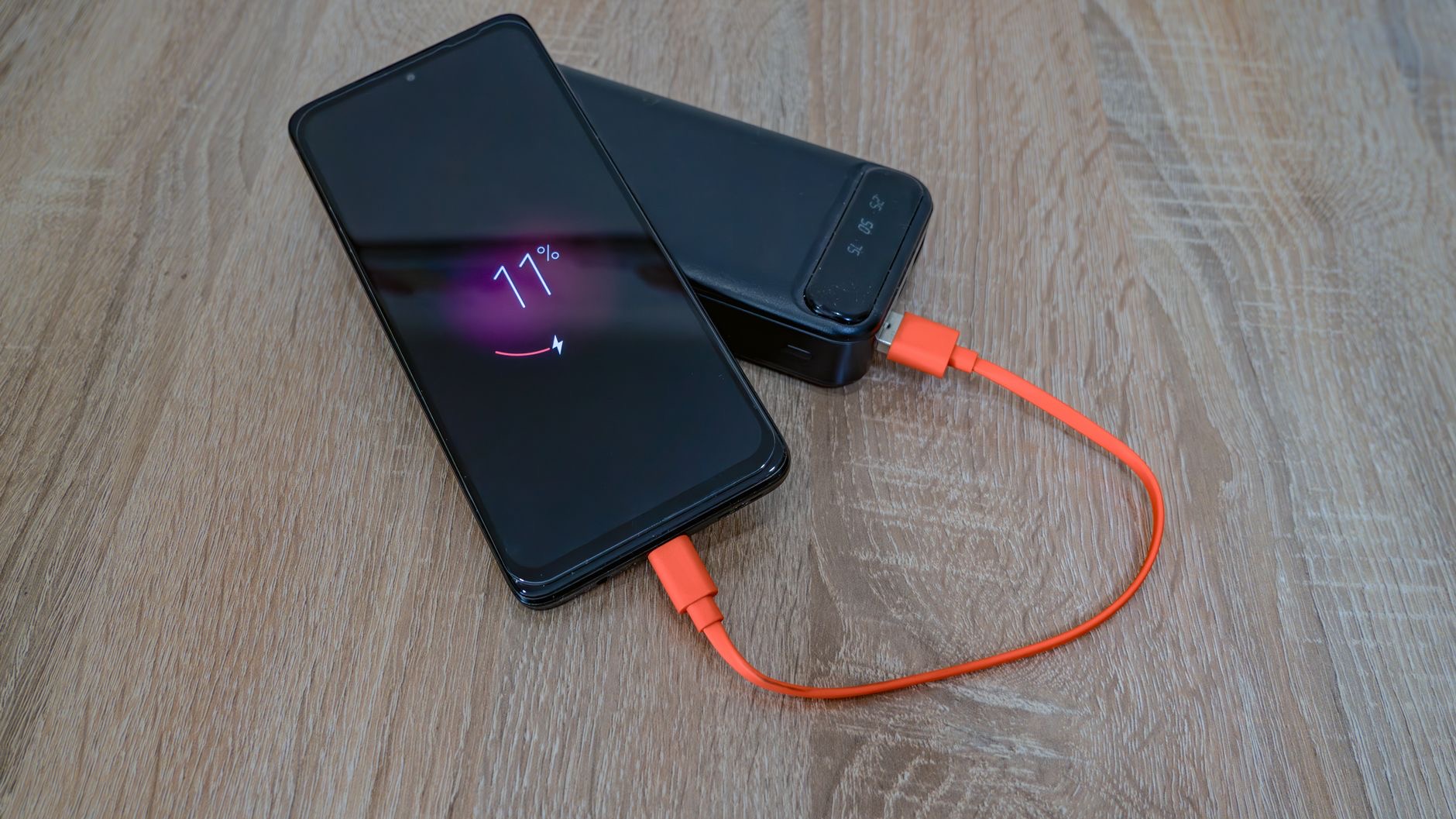
You can do a lot to extend your iPhone's useful life. Protecting it from physical damage with a good case and screen protector prevents the cracks and dents that shorten a phone's life. Being mindful of battery health, through sensible charging habits, helps the battery age more gracefully. Keeping your software updated maintains security and performance. And when the battery does eventually wear down, replacing it rather than the whole phone is a cost-effective way to keep going. None of this is complicated, and these simple habits can add meaningful years to how long your iPhone stays a pleasure to use.
★ Editor's Pick · Amazon
Rugged Protective Case
Protect your iPhone to extend its useful life
Protect it: Rugged Case · Screen Protector
When Is It Actually Time to Upgrade?
Rather than upgrading on a fixed schedule, it makes more sense to upgrade when your iPhone no longer meets your needs. Clear signs include a battery that no longer lasts your day even after a replacement, the phone reaching the end of its software support and no longer receiving updates, performance that genuinely struggles with the apps you rely on, or damage that is not worth repairing. If none of these apply and your phone still does what you need, there is no urgency to replace it. Upgrading when there is a real reason, rather than out of habit, is the most sensible and economical approach.
Do Older iPhones Become Useless?
Not at all, and this is worth emphasizing. An older iPhone that still receives software updates and has a healthy battery can remain a genuinely good phone for years. Plenty of people happily use iPhones that are several years old without feeling held back, because the core experience, calls, messages, photos, apps, and browsing, remains smooth. Older models also make excellent hand-me-downs for family members. The idea that a phone is "old" after a year is more about marketing than reality. A well-cared-for iPhone stays a capable, dependable device long after the newest model has launched.
Buying With Longevity in Mind
If you want maximum lifespan from your next iPhone, a few choices help. Buying a current model rather than an older one at purchase gives you the longest runway of software support ahead of you. Choosing enough storage means you will not feel cramped years later as photos and apps grow. And planning to protect the phone and eventually replace the battery means you are set up to keep it for the long haul. Thinking about longevity at the moment of purchase, rather than just the upfront price, often makes a current iPhone the smarter long-term value.
| Question | Reality |
|---|---|
| How long do iPhones last? | Several years of daily use, often longer |
| What wears out first? | The battery, and it can be replaced |
| Do they get software updates long? | Yes, for many years after release |
| When should I upgrade? | When it no longer meets your needs |
Frequently Asked Questions
How many years does an iPhone typically last?
For most people, an iPhone comfortably lasts several years of daily use, and many keep going well beyond that. Durable build quality and long software support are big reasons. It is entirely normal to use an iPhone for many years and have it remain perfectly capable.
What part of an iPhone wears out first?
The battery. All rechargeable batteries gradually lose capacity over time and charge cycles, so an older iPhone holds less charge and may need charging more often. This is normal, and it is also the most fixable issue, since a battery replacement can give an older iPhone a real second life.
How long does Apple support iPhones with updates?
Apple is known for providing software updates for many years after a phone is released, which is longer than much of the industry. Ongoing updates keep your phone secure, app-compatible, and feeling current, which is a major reason iPhones stay genuinely usable for so long.
Can I make my iPhone last longer?
Yes. Protect it with a case and screen protector, use sensible charging habits to help battery health, keep your software updated, and replace the battery when it eventually wears down rather than the whole phone. These simple habits can add meaningful years to your iPhone's useful life.
When should I replace my iPhone?
When it no longer meets your needs, such as a battery that will not last your day even after replacement, the end of software support, performance that struggles with apps you rely on, or damage not worth repairing. If none of these apply, there is no urgency to upgrade.
Are older iPhones still good to use?
Absolutely. An older iPhone with a healthy battery that still receives updates can be a genuinely good phone for years, handling calls, messages, photos, and apps smoothly. Older models also make excellent hand-me-downs. A well-cared-for iPhone stays capable long after newer models launch.
The Bottom Line
iPhones are built to last, comfortably serving for several years and often well beyond, with the battery being the main thing that ages and the one part you can readily replace. Long software support keeps them secure and capable far longer than many phones, so an older iPhone is rarely useless. Protect your phone, mind the battery, and upgrade when there is a genuine reason rather than out of habit, and you will get excellent, lasting value from whichever iPhone you choose.
Leave a Reply