
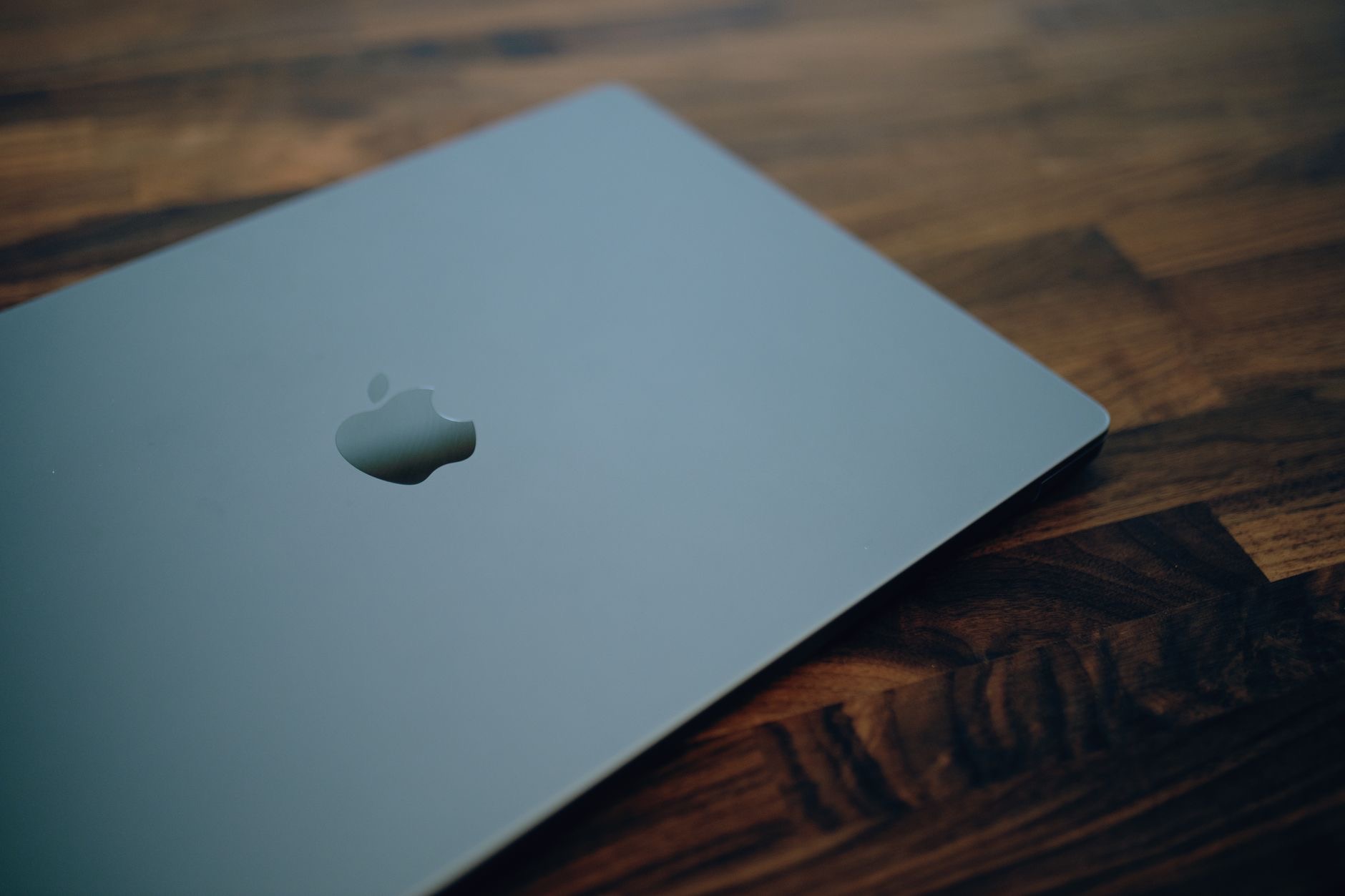
A MacBook is a significant investment, so it is only natural to wonder how many good years you will get from one. The encouraging answer is that MacBooks are renowned for their longevity, frequently serving well for many years. But as with any device, some parts age and some habits help. Let us take an honest look at how long MacBooks really last and how to get the most from yours.
The Short Answer
MacBooks have a strong reputation for lasting a long time, and it is common for one to remain a capable, pleasant machine for many years of regular use. Their solid build quality, efficient design, and long software support all contribute to a lifespan that often exceeds what people expect from a laptop. So if you are weighing the price of a MacBook against how long it will serve you, it helps to remember that you are buying a device built to go the distance. Spread across many years of use, the cost per year of a well-kept MacBook is often very reasonable.
What Ages First in a MacBook
As with most portable devices, the battery is the component most likely to show wear over time, since rechargeable batteries gradually lose capacity through charge cycles. An older MacBook may hold less charge and need plugging in more often, which is normal. The good news is that a battery can be serviced to refresh an aging laptop. Storage capacity can also start to feel tight years later as files accumulate, though that is about your needs growing rather than the machine failing. The core components, the chip and the rest of the hardware, typically keep performing well for a long time.
Software Support Keeps Macs Useful
A major reason MacBooks stay useful for so long is sustained software support. Apple is known for supporting its Macs with software updates for many years, which keeps them secure, compatible with current apps, and feeling up to date well into their life. A Mac that still receives updates is one that stays safe and capable, which is why a MacBook that is several years old can still feel like a genuinely good computer. This long support window is a big part of the value proposition and a key reason MacBooks tend to outlast many other laptops in everyday usefulness.
How to Make Your MacBook Last Longer
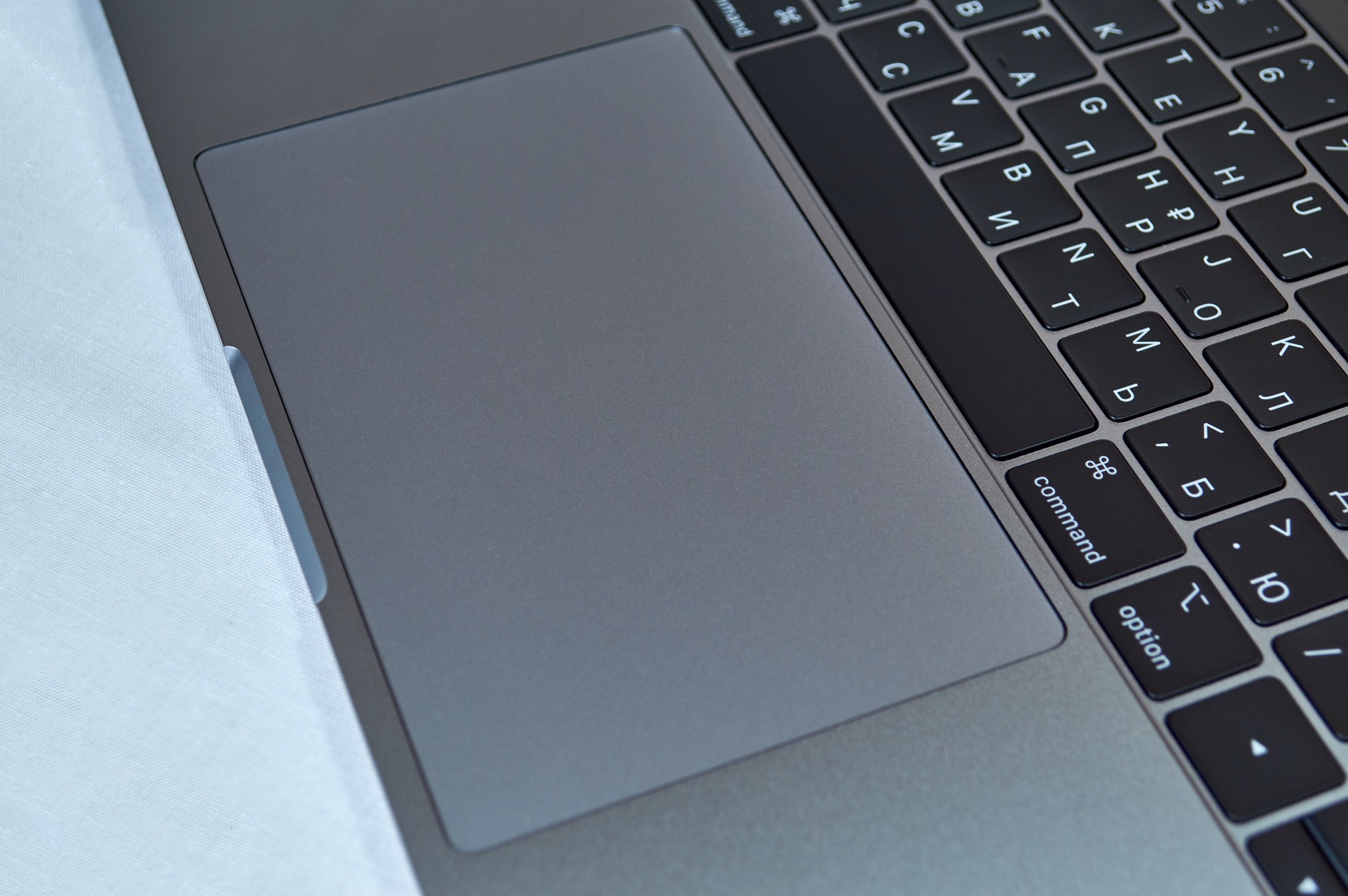
You can do plenty to extend a MacBook's life. Treating it gently, using a protective sleeve when carrying it, and keeping liquids at a safe distance prevents the physical damage that ends many laptops early. Sensible charging habits help the battery age more gracefully. Keeping the software updated maintains security and smooth performance. Managing your storage so it does not become completely full keeps things running well. And when the battery eventually wears, servicing it rather than replacing the whole laptop is a cost-effective way to keep going. These simple practices can add real years to your MacBook.
When Should You Replace a MacBook?
The smartest approach is to replace your MacBook when it genuinely no longer meets your needs, rather than on a set schedule. Signs it might be time include reaching the end of software support, a battery that no longer lasts and is not worth servicing, performance that truly struggles with the work you need to do, or damage that is uneconomical to repair. If your MacBook still handles your tasks comfortably and stays secure with updates, there is no pressing reason to replace it. Upgrading when there is a real need is both the sensible and the economical choice.

Do Older MacBooks Still Hold Up?
Yes, and often remarkably well. A MacBook that is several years old, with a reasonable battery and current software, can remain a smooth, capable machine for everyday work, browsing, writing, media, and more. Many people happily use older MacBooks for years without feeling limited, because the core experience stays fluid. Older models also make excellent secondary machines or hand-me-downs. The notion that a laptop is past it after a couple of years does not match the reality of how long a well-built MacBook stays genuinely useful, which is a big part of their enduring appeal.
Buying a MacBook to Last
If longevity matters to you, a few choices at purchase pay off for years. Buying a current model gives you the longest runway of software support ahead. Choosing enough memory is especially important, since it cannot be upgraded later and heavily influences how capable the machine feels years down the line. Picking sufficient storage avoids feeling cramped as your files grow. Spending a little more on memory and storage up front, with longevity in mind, often makes a MacBook a better long-term value than chasing the lowest sticker price on an under-specced machine you outgrow quickly.
| Question | Reality |
|---|---|
| How long do MacBooks last? | Many years of capable use |
| What ages first? | The battery, which can be serviced |
| How long is software support? | Many years, keeping it secure and current |
| Best buy-to-last tip? | Choose enough memory and storage up front |
Frequently Asked Questions
How many years does a MacBook last?
MacBooks commonly remain capable, pleasant machines for many years of regular use. Solid build quality, efficient design, and long software support all contribute to a lifespan that often exceeds what people expect from a laptop, making the cost per year of a well-kept MacBook very reasonable.
What wears out first on a MacBook?
The battery, since rechargeable batteries gradually lose capacity through charge cycles. An older MacBook may need plugging in more often, which is normal, and the battery can be serviced to refresh the machine. The core hardware typically keeps performing well for a long time.
How long does Apple support MacBooks?
Apple is known for supporting Macs with software updates for many years, keeping them secure, app-compatible, and feeling current well into their life. This long support window is a major reason a MacBook that is several years old can still feel like a genuinely good computer.
How can I extend my MacBook's life?
Treat it gently, use a protective sleeve, keep liquids away, charge sensibly, keep software updated, and manage your storage so it does not fill completely. When the battery eventually wears, service it rather than replacing the whole laptop. These habits can add real years of useful life.
When should I replace my MacBook?
When it genuinely no longer meets your needs, such as the end of software support, a worn battery not worth servicing, performance that struggles with your work, or damage too costly to repair. If it still handles your tasks and stays secure with updates, there is no pressing reason to replace it.
Are older MacBooks still good?
Often remarkably so. A MacBook several years old with a reasonable battery and current software stays smooth for everyday work, browsing, writing, and media. Many use older MacBooks for years without feeling limited, and they make excellent secondary machines or hand-me-downs.
The Bottom Line
MacBooks are built to last, frequently serving well for many years thanks to solid construction and long software support, with the battery being the main part that ages and one that can be serviced. To get the most from yours, treat it gently, keep it updated, and choose enough memory and storage at purchase. Replace it when it genuinely stops meeting your needs rather than on a schedule, and a well-cared-for MacBook will reward you with excellent, lasting value.
Leave a Reply