
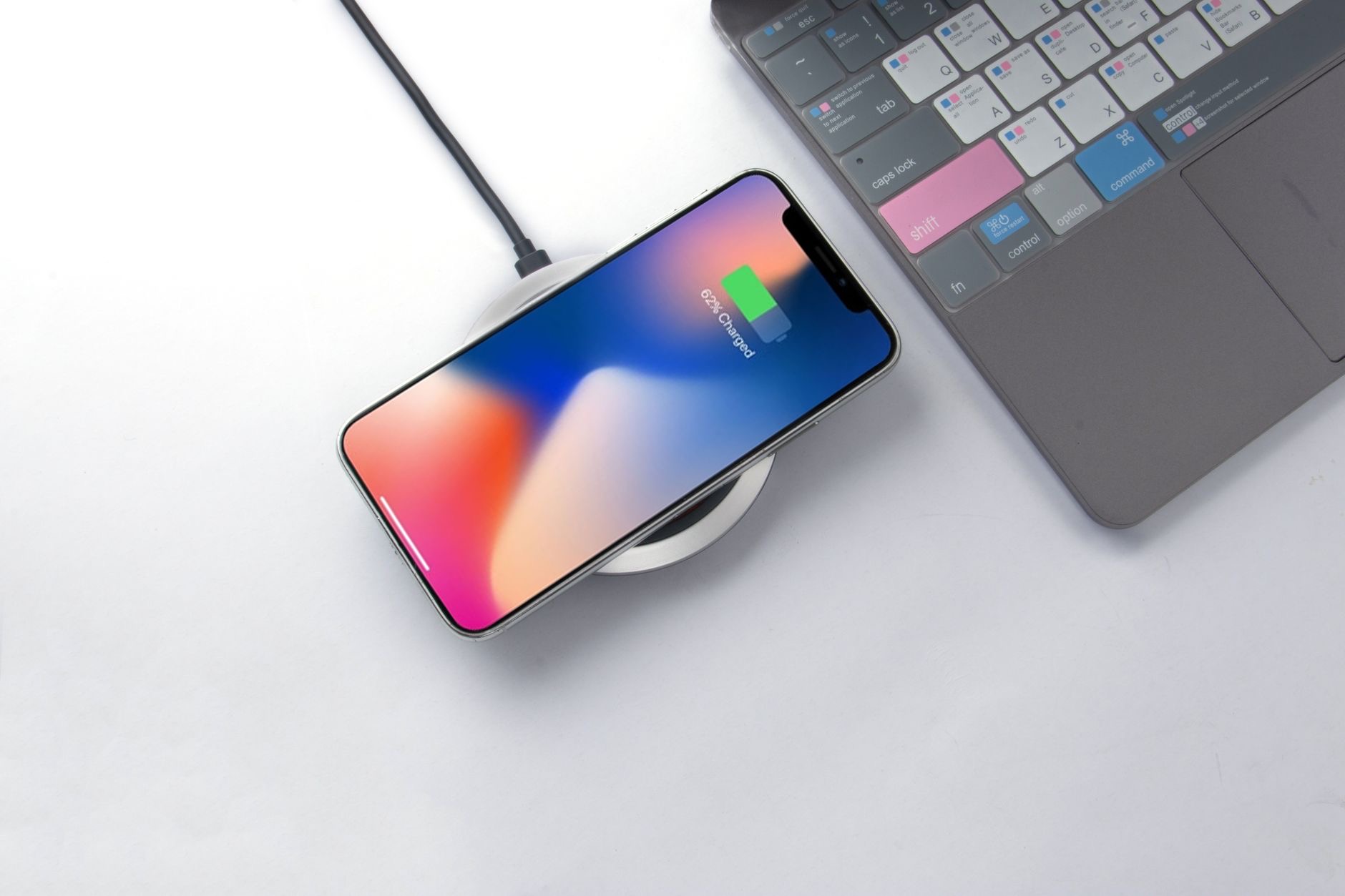
You set your phone on a pad and it starts charging, no cable required. It feels like magic, but how does wireless charging actually work, and is it worth using instead of a cable? The concept behind it is simpler than you might think, and knowing how it works helps you get the best results. Let us explain how wireless charging works, its pros and cons, and how to charge efficiently.
The Short Answer
Wireless charging lets your phone charge by resting on a charging pad instead of plugging in a cable. The pad and your phone transfer energy between them through their surfaces when they are close together, topping up your battery without a physical connection. It is wonderfully convenient, just set your phone down and it charges, but it works best when the phone and pad are properly aligned. In short, energy passes from the pad to your phone across a short distance, so you can charge simply by placing it down.
How the Energy Transfers
The basic idea is that a wireless charger sends energy across a small gap to your phone, which receives it and uses it to charge the battery. Both the charger and your phone have the components needed to send and receive this energy, and when you place your phone on the pad, they connect across their surfaces to transfer power. This is why your phone needs to be resting on or very close to the pad, and why alignment matters, since the energy transfers most effectively when the phone and charger are lined up properly.
Why Alignment Matters
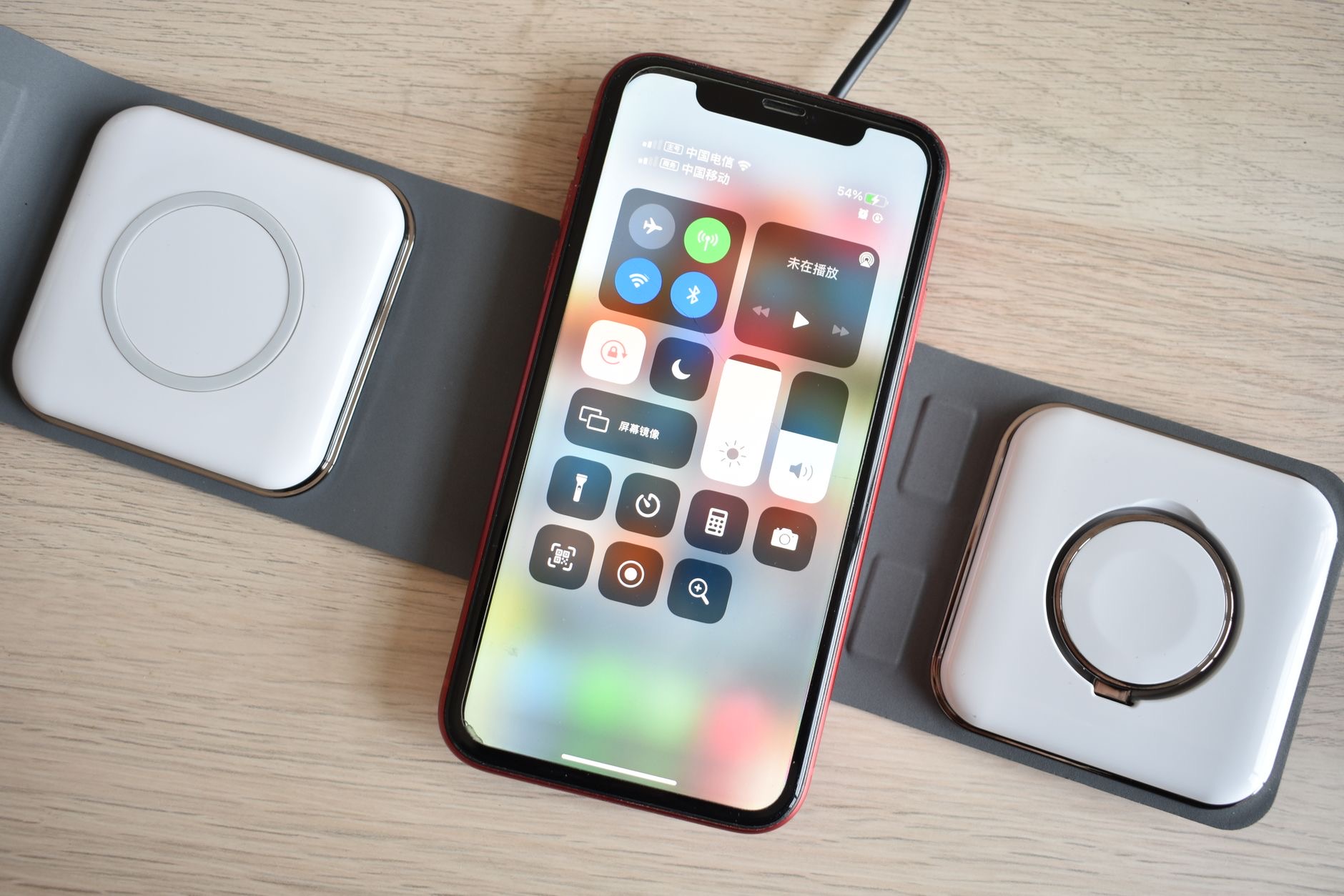
A common frustration with wireless charging is placing a phone on a pad and finding it did not charge because it was not lined up correctly. Since the energy transfers best when the phone and charger are properly aligned, a phone nudged off-center may charge slowly or not at all. This is exactly the problem that magnetic charging solves. With a magnetic system, the charger snaps into the perfect position automatically, ensuring reliable, well-aligned charging every time, which removes the guesswork of a flat pad.
★ Editor's Pick · Amazon
MagSafe Charger
Magnetic alignment for reliable wireless charging
The Pros of Wireless Charging
The big appeal is convenience. You simply set your phone down and it charges, with no fumbling for a cable, especially handy on a desk or nightstand where you can drop your phone on the pad throughout the day. It reduces wear on your charging port since you plug in less often, and it makes for a tidy, cable-free surface. For many people, having a charging spot they can just place their phone on becomes a natural, effortless habit that keeps their battery topped up without thinking about it.
The Cons to Keep in Mind
Wireless charging is not perfect. It generally charges more slowly than a good wired connection, so if you need to fill your battery fast, plugging in is quicker. Your phone also needs to sit on the pad, so you cannot easily use it while it charges the way you can with a cable. And alignment can be fiddly with a flat pad. None of these are dealbreakers, but they are worth knowing, since wireless charging is best for convenient, top-up charging rather than the fastest possible fill when you are in a hurry.
Charging on the Go
Wireless charging is not just for the desk. Magnetic power banks can stick to the back of a compatible phone and charge it while you are out and about, giving you a cable-free top-up in your bag or pocket. This is genuinely useful for travel and long days away from an outlet. Combined with a pad at home or work, a magnetic battery means you can keep your phone charged wirelessly wherever you are, which makes the whole cable-free approach far more practical than just having a single pad on your desk.
★ Editor's Pick · Amazon
Magnetic Power Bank
Wireless top-ups on the go, snaps to your phone
Getting the Best Results
To charge well wirelessly, make sure your phone is properly aligned on the pad, or use a magnetic charger that snaps into place for reliable results. Keep the pad clear of objects that could get in the way, and remember that a case designed for wireless charging lets it work through the case. For fast charging when you are in a hurry, keep a cable handy, but for effortless, convenient top-ups throughout the day, a well-placed wireless charger is a lovely way to keep your phone powered without the tangle of cables.
Frequently Asked Questions
How does wireless charging work?
Wireless charging transfers energy from a charging pad to your phone across their surfaces when they are close together, topping up the battery without a cable. Both the pad and phone have the components to send and receive this energy, so you can charge simply by resting your phone on the pad.
Is wireless charging worth it?
For many people, yes, thanks to its convenience. You just set your phone down and it charges, which is handy on a desk or nightstand and reduces wear on your charging port. It charges more slowly than a good cable, so it is best for effortless top-ups rather than the fastest possible fill.
Why is my phone not charging on the pad?
Usually because it is not aligned correctly. Energy transfers best when the phone and charger are lined up, so a phone nudged off-center may charge slowly or not at all. A magnetic charger solves this by snapping into the perfect position automatically for reliable charging every time.
Is wireless charging slower than a cable?
Generally, yes. Wireless charging tends to be slower than a good wired connection, so if you need to fill your battery quickly, plugging in is faster. Wireless charging is best suited to convenient, top-up charging throughout the day rather than the quickest possible charge when you are in a hurry.
Does wireless charging work through a case?
It can, with a case designed for wireless charging. Many cases let charging work through them, and cases built for magnetic charging keep the connection aligned. If you use a case and want to charge wirelessly, choosing one made to support it ensures charging works reliably through the case.
Can I charge wirelessly on the go?
Yes. Magnetic power banks stick to the back of a compatible phone and charge it while you are out, giving a cable-free top-up in your bag or pocket. Combined with a pad at home or work, this lets you keep your phone charged wirelessly wherever you are, which is great for travel.
The Bottom Line
Wireless charging works by transferring energy from a pad to your phone across their surfaces when they are close and aligned, letting you charge simply by setting your phone down. It is wonderfully convenient and easy on your charging port, though it is slower than a cable and needs proper alignment, which magnetic chargers solve neatly. Use it for effortless top-ups at your desk or on the go with a magnetic battery, keep a cable for fast charging, and enjoy a tidier, cable-free routine.
Leave a Reply