
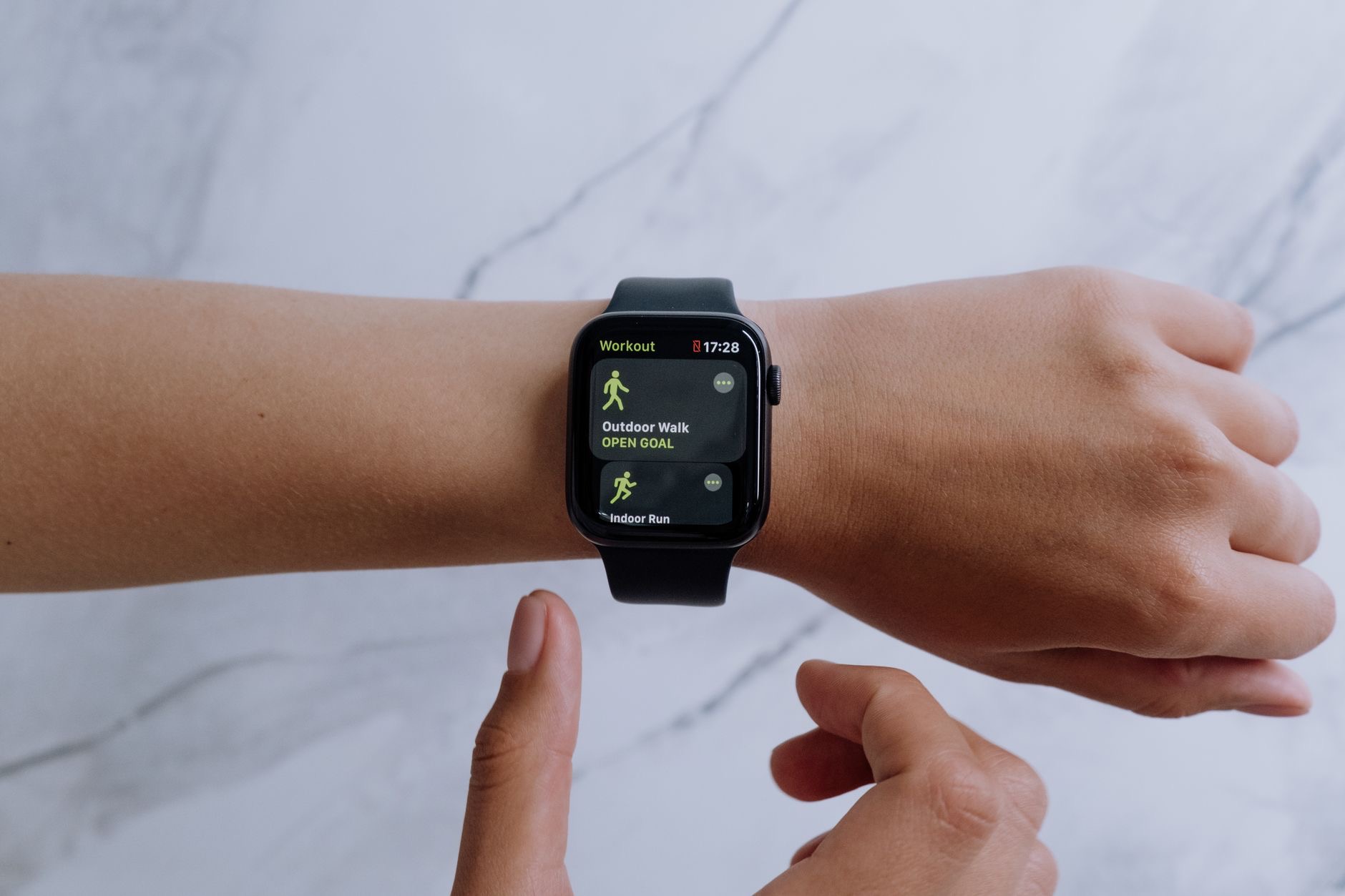
Sitting on your wrist, quietly and without fuss, your Apple Watch is paying attention to a surprising amount about you and your day. Most people wear one for years and only ever glance at their step count, never realizing the fuller picture it is building. Understood and used well, this information can genuinely help you move more, rest better, and notice patterns you would otherwise miss. Here is what your Apple Watch quietly knows, and how it can work for you.
1. How Much You Move Each Day
At its core, your Apple Watch tracks your daily movement and activity, encouraging you toward regular movement through its activity goals. It knows how active you have been, how much you have stood up and moved around, and how you are progressing toward your targets. This gentle nudging is designed to help you build healthier habits, turning a passive day into an active one simply by making your movement visible and giving you something to aim for.
2. Your Heart Rate Throughout the Day
Your watch monitors your heart rate, not just during workouts but at various points through the day and at rest. Over time, this builds a picture of your heart rate patterns, including your resting heart rate, which can be an interesting general indicator of fitness. Seeing how your heart responds during exercise and how it settles at rest gives you a window into your body that most people never had access to before wearing a watch.
3. How You Sleep
Worn to bed, your Apple Watch can track your sleep, giving you insight into your rest and your sleep schedule over time. The real value comes from consistency, revealing patterns like whether your bedtime is steady or all over the place. Used thoughtfully, this can gently encourage better sleep habits. It is worth remembering it offers helpful personal insight rather than a clinical measurement, but as a nudge toward healthier rest, it is genuinely useful.
4. Your Workouts in Detail
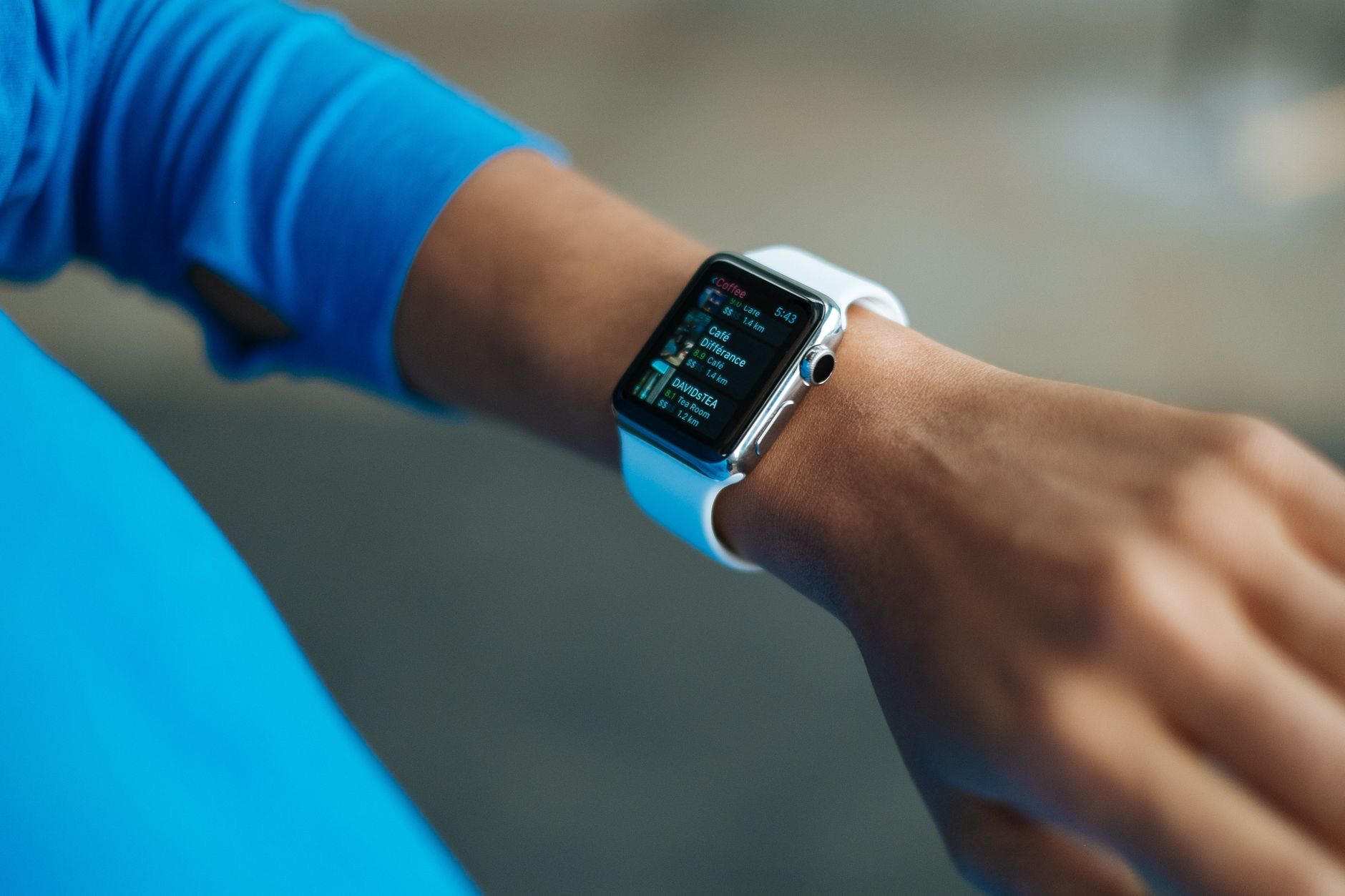
When you exercise, your watch can track your workouts in real detail, from running and walking to cycling, swimming, and many other activities, recording things like duration, distance, and effort. This turns your training into data you can actually see and improve on, helping you set goals and track progress. For anyone who exercises, this detailed tracking transforms vague effort into a clear record of what you are achieving over weeks and months.
5. When You Have Been Sitting Too Long
Your Apple Watch notices when you have been sitting for a while and can gently remind you to stand up and move. It is a small feature with real value, since long stretches of sitting are easy to fall into without noticing. That little nudge to stand and stretch breaks up sedentary time throughout the day, quietly encouraging a healthier rhythm even when you are busy and would otherwise stay glued to your seat.
6. Your Trends Over Time
Beyond any single day, your watch builds up trends over weeks and months, so you can see whether your activity, fitness, and habits are heading in the right direction. This longer view is where the real insight lives, revealing gradual changes a single day could never show. Noticing that you have been moving less lately, or that your fitness is improving, gives you the awareness to adjust, which is far more powerful than any one-off number.
7. Your Location During Activities
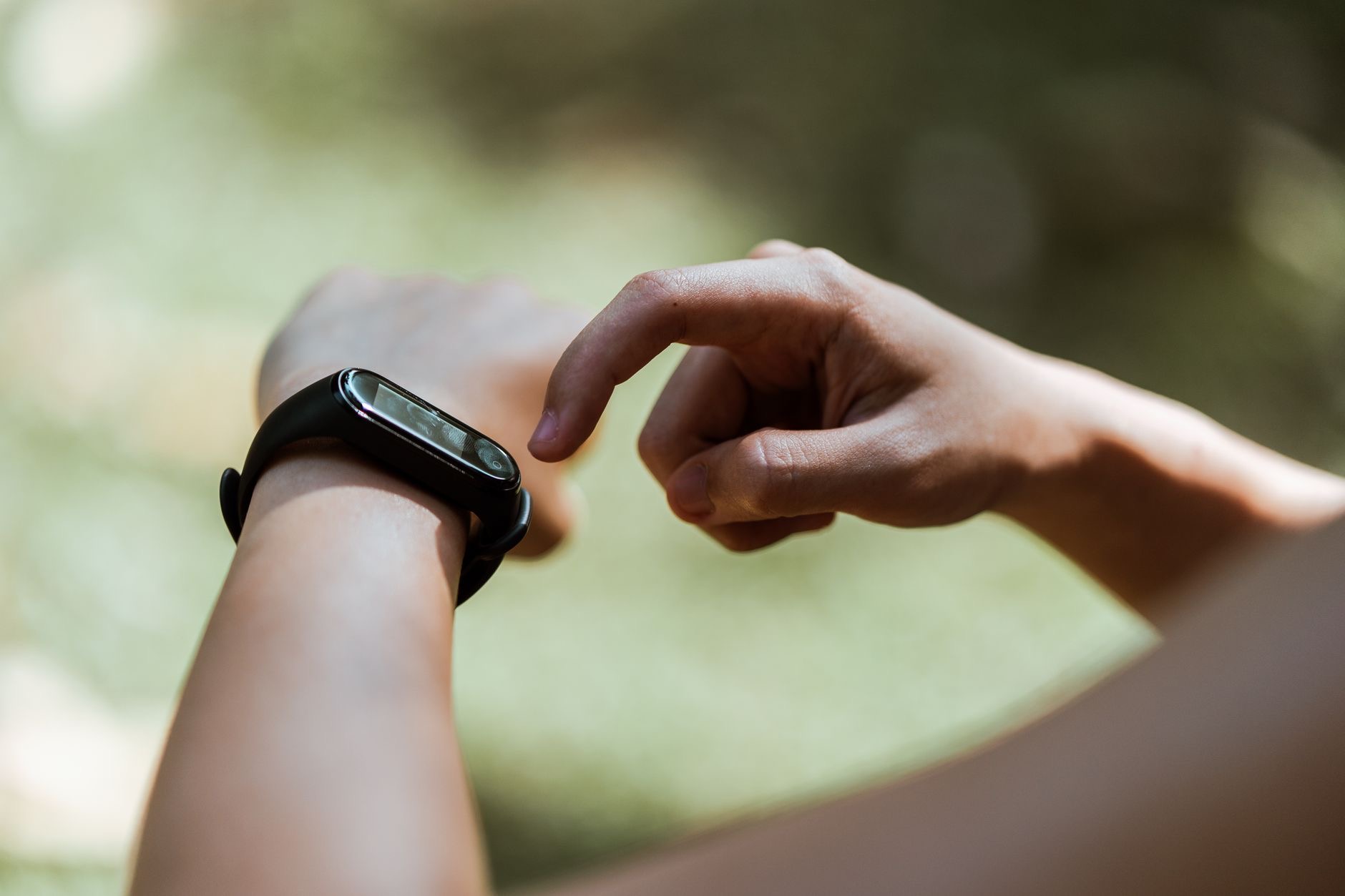
Using built-in location features, your watch can map your routes during outdoor workouts, recording where you ran, walked, or cycled, along with distance and pace. Seeing your route and how far you actually went adds a satisfying, concrete dimension to your exercise. For outdoor enthusiasts, this location tracking, often without needing to carry a phone, is one of the most practically useful things the watch quietly handles for you.
8. Signs Something Might Need Attention
Your Apple Watch includes wellness features designed to notice certain things and prompt you to pay attention when appropriate, encouraging you to check in with how you are doing. These are supportive tools meant to increase your awareness, not to diagnose or replace professional medical advice. Treated as helpful prompts to be mindful of your wellbeing, they add a reassuring layer of everyday awareness that many wearers genuinely value.
9. Your Daily Routine and Habits
Taken together, all of this means your Apple Watch quietly understands the rhythm of your days: when you are active, when you rest, how you sleep, and how it all changes over time. Rather than feeling watched, most people find this genuinely empowering, because that information belongs to you and can help you build the habits you want. The watch is not judging you, it is simply holding up a mirror, and what you do with that reflection is entirely your choice.
★ Editor's Pick · Amazon
Apple Watch Series 10
Your everyday companion for movement, sleep, and wellness
Frequently Asked Questions
What health data does the Apple Watch track?
Your Apple Watch tracks daily movement and activity, heart rate through the day and at rest, sleep, detailed workouts, and trends over time, among other wellness information. Together these build a picture of your habits and can gently encourage healthier routines when used thoughtfully.
Does the Apple Watch track my sleep?
Yes, worn to bed it can track your sleep and schedule over time. The value comes from consistency, revealing patterns like whether your bedtime is steady. It offers helpful personal insight rather than a clinical measurement, but as a nudge toward better sleep habits it is genuinely useful.
Can the Apple Watch track workouts without my phone?
Yes. Using built-in location features, your watch can map routes and record distance and pace during outdoor workouts, often without needing to carry your phone. It tracks many activities in detail, turning vague effort into a clear record you can see and improve on.
Is the health tracking accurate?
The Apple Watch provides genuinely useful wellness insight for everyday awareness and motivation, and it is most valuable when worn consistently to reveal trends over time. It is a helpful wellness tool rather than a clinical medical instrument, so treat its data as guidance, not diagnosis.
Does the watch remind me to move?
Yes. Your Apple Watch notices when you have been sitting for a while and can gently remind you to stand and move. Since long stretches of sitting are easy to fall into unnoticed, that nudge breaks up sedentary time and encourages a healthier daily rhythm even when you are busy.
Is my Apple Watch health data private?
Your health information is personal to you, and the value of what your watch tracks is that it belongs to you and can help you build the habits you want. Rather than feeling watched, most people find the awareness empowering, using the insights to move more, rest better, and notice helpful patterns.
The Bottom Line
Your Apple Watch is quietly building a genuinely useful picture of your health and habits, far beyond the step count most people glance at. It knows how you move, how your heart behaves, how you sleep, and how it all trends over time, and understood well, that information is a powerful tool for living a little healthier. Rather than letting it sit unused on your wrist, explore what it tracks and let it gently guide you. The insight has been there all along.
Leave a Reply