
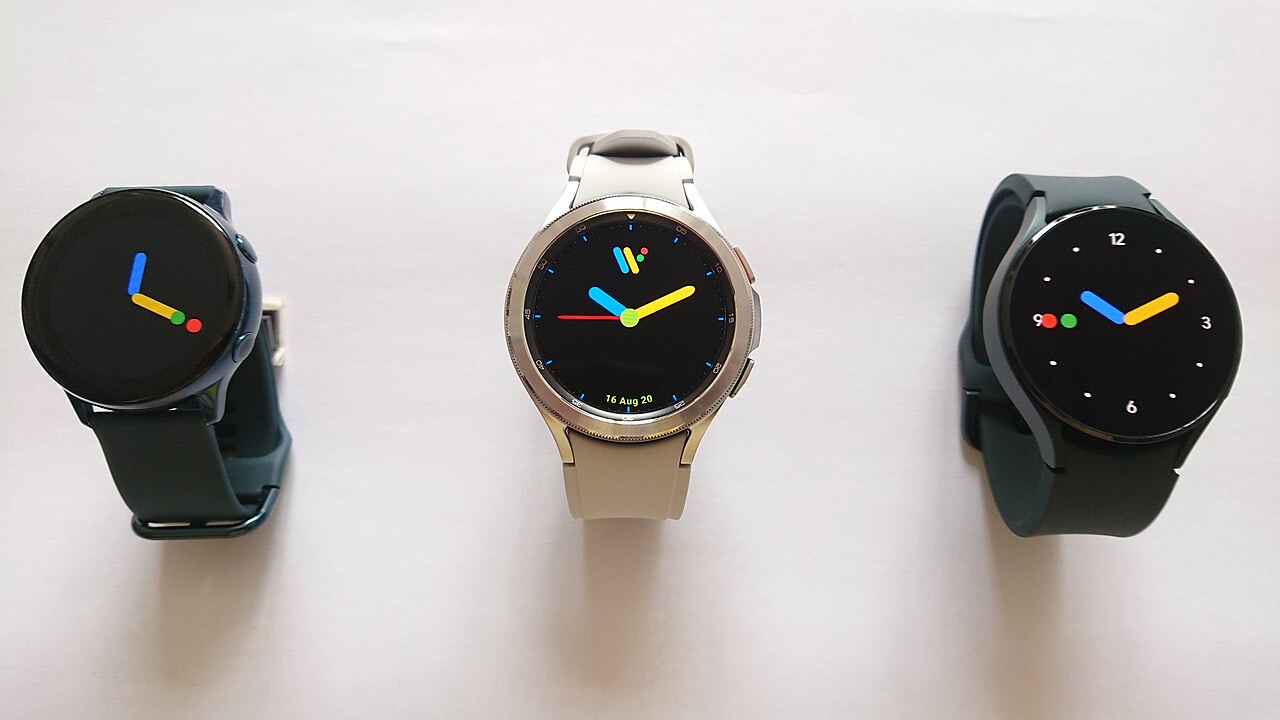
A smartwatch is one of the few gadgets that can genuinely change a daily habit, but most "best of" lists just push the most expensive model and move on. This is not that. Looking across specifications, pricing and user feedback, here is which one is actually worth your money, which is overpriced, and the one feature that should decide your pick.
What Actually Matters in a Smartwatch
Ignore the spec sheet for a moment. Three things decide whether a smartwatch earns a permanent place on your wrist: it must pair flawlessly with your phone, the battery must not become a daily chore, and the health tracking must be accurate enough to trust. Everything else, the watch faces and the apps, is a bonus. Nail those three and you will wear it every day. Miss one and it ends up in a drawer.
The insider truth most reviews skip: phone compatibility is everything. The best smartwatch for you is almost always the one built for the phone you already own, because that is where the seamless features live.
The Best Overall: Premium Pick
If you own an iPhone and money is no object, the latest Apple Watch is the one to beat, full stop. It has the tightest phone integration, the best app ecosystem, and health features that genuinely lead the field. For Android users, the top Samsung and Google watches play the same role on their side.
My honest take: at the premium tier you are paying for polish and ecosystem, not raw capability. It is excellent, but the gap to the mid-range is smaller than the price gap suggests, and most people will be just as happy a step down. Like premium earbuds, the last bit of refinement costs the most, as we explain in our AirPods Pro comparison.
The Best Value: Where Smart Money Goes
This is the tier I steer most people toward. Mid-range smartwatches in 2026 give you the features that matter, accurate heart rate, sleep tracking, notifications, solid battery, for far less than the flagship. Unless you crave the newest health sensor or the slickest design, this is where you get the most happiness per dollar.
The Fitness Watch That Punches Up
If your real goal is training rather than apps, a dedicated fitness watch can embarrass pricier smartwatches at what counts. You get multi-day battery, serious GPS accuracy, and deep workout and recovery data. You give up the slick app store and the polished interface, but for runners, cyclists, and anyone training seriously, that is a trade worth making. Be honest about whether you want a tiny computer on your wrist or a genuine training tool.
How to Choose the Right One
Match the watch to your life, not to the review scores:
| Your priority | What to buy |
|---|---|
| Best everything, price aside | Flagship for your phone brand |
| Best value for money | A mid-range smartwatch |
| Serious training and battery | A dedicated fitness watch |
| Simple notifications and steps | An affordable fitness band |

Battery and the Daily Charging Trap
Here is the quiet dealbreaker nobody mentions in the store. A smartwatch that needs charging every single night is a watch you will eventually stop wearing, especially for sleep tracking. Before you buy, check the real-world battery life, not the optimistic claim. A watch that lasts two days changes the whole experience, because you can wear it to sleep and top it up while you shower. Battery, more than any sensor, decides whether the watch becomes a habit.
Health Tracking: What to Trust
Smartwatch health features sell a lot of watches, so it helps to know what is genuinely useful. Heart rate, step counting, and sleep tracking are reliable and genuinely motivating on good models. Newer sensors for things like blood oxygen and ECG are impressive and worth having, but treat them as wellness tools, not medical devices. The most valuable health feature is the one that nudges you to move more, and almost every modern smartwatch does that well. Do not overpay chasing a sensor you will glance at once and then forget about.
Style and Comfort Matter More Than You Think
Here is the factor people underrate until they live with a watch: you have to want to wear it. A smartwatch that feels bulky, looks wrong with your clothes, or irritates your wrist will end up in a drawer no matter how good its features are. Try to handle one before buying, check that the band suits you, and pick a size that fits your wrist. The best smartwatch is the one you forget you are wearing, because that is the one that actually stays on your wrist gathering all that data.
Do Not Forget the Phone Match
It bears repeating because it is the single most common mistake buyers make: choose the watch that matches your phone. A watch built for a different phone loses its best features and turns into a frustrating, half-working experience that you will resent within a week. Confirm compatibility first, then worry about design, sensors, and battery. iPhone owners are almost always happiest with an Apple Watch, and Android owners with a watch built for their own platform. This one check, done before anything else, prevents the most common and most expensive smartwatch regret there is.
Quick Answers Before You Buy
Do I need the newest smartwatch model?Rarely. Last year's model usually offers the same core experience for less, since the big features change slowly. Buy the newest only if a specific new sensor genuinely matters to you.
Which smartwatch should I buy?Almost always the one built for your phone. iPhone owners are best served by an Apple Watch, Android owners by a Samsung or Google watch, because the seamless features live there.
Are expensive smartwatches worth it?Only if you want the latest sensors and the slickest design. For most people, a mid-range model covers the features that actually matter for far less.
Do I need a smartwatch or a fitness band?If you mainly want steps, heart rate, and notifications, an affordable band is plenty. A smartwatch makes sense when you want apps and tighter phone integration.
How accurate is smartwatch health tracking?Heart rate and sleep are reliable on good models. Treat calorie counts as rough estimates rather than exact numbers.
How important is battery life?Very. A watch that dies every night often gets abandoned. Aim for one that lasts at least a full day with sleep tracking, ideally two.
My Honest Verdict
Buy the smartwatch made for the phone in your pocket, then pick the tier that fits your life. For most people a mid-range model is the smartest buy and you will not feel like you missed out. Save the flagship money unless you genuinely want the newest sensors, and choose a dedicated fitness watch if training, not apps, is the point.
Decide on battery and phone compatibility first, features second, and brand last. What is your phone, and what would you use the watch for most? Tell me in the comments and I will point you to the right one.
Photos: Smartwatches by Ka Kit Pang (CC BY 3.0) · A child wears a smartwatch on her wrist while picking grass by Shixart1985 (CC BY 2.0) · Roy Wilkins Park td (2019-01-13) 061 - Outdoor Fitness Equipment by Tdorante10 (CC BY-SA 4.0) — via Wikimedia Commons.
Leave a Reply