
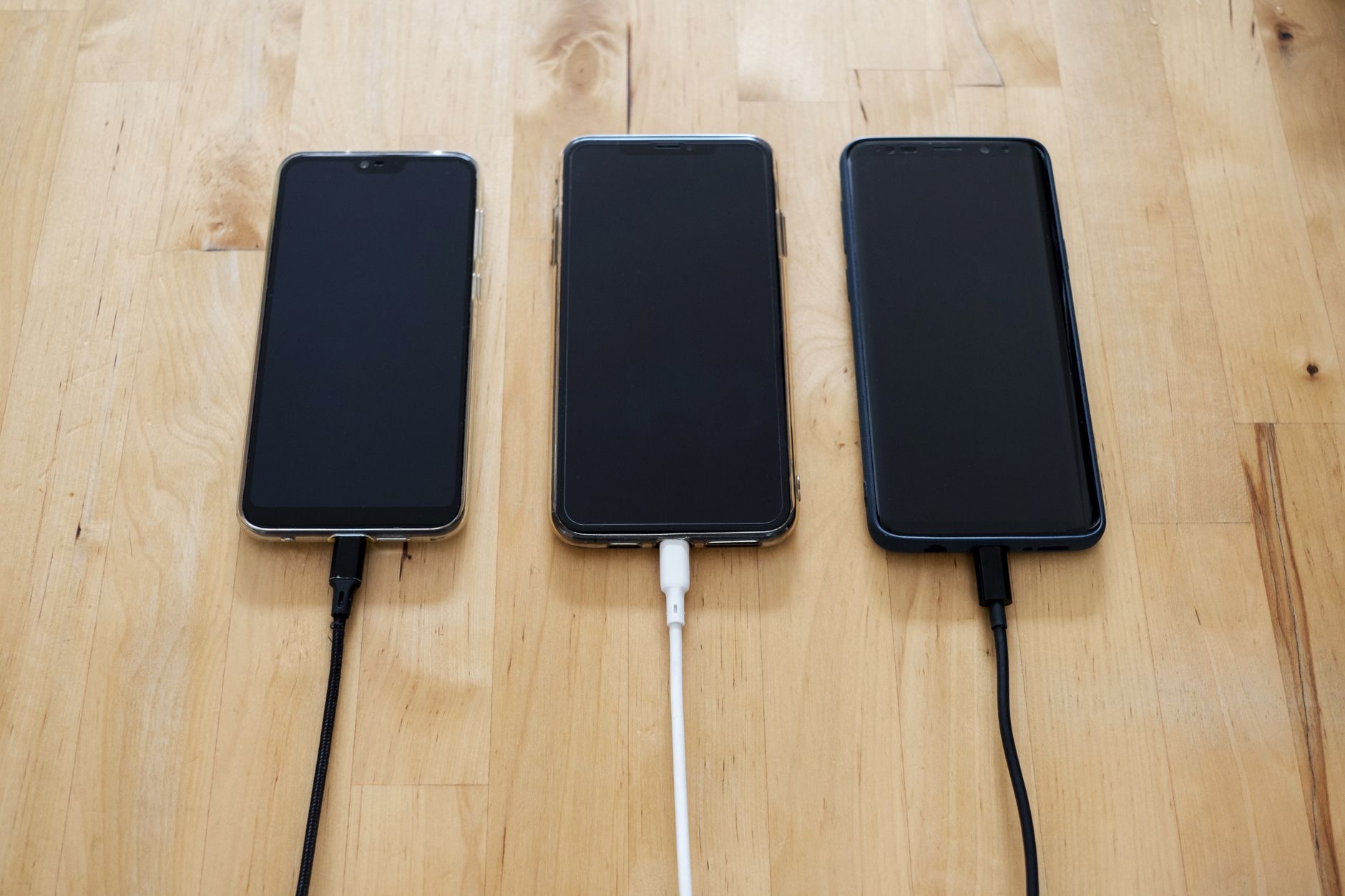
Twenty minutes until you leave, twelve percent battery, and a long evening ahead: this is the moment fast-charging knowledge exists for. The good news is that charging speed responds to a few levers you control right now, and the difference between doing it right and wrong is real percentage points at the door. Here is how to charge your iPhone faster, honestly ranked.
Lever One: Go Wired, With a Capable Brick
When speed is the mission, the cable wins. Wired charging outpaces wireless, and the adapter decides how much: modern iPhones can fast-charge on a sufficiently powerful adapter, the kind laptops and newer chargers use, while the ancient tiny cube from a drawer delivers a trickle. Grab the most capable adapter in the house, often the laptop's, pair it with a quality cable, and the first half of the battery fills impressively fast. The hardware pecking order is the biggest lever there is.
★ Editor's Pick · Amazon
Quality USB-C Cable
The wire that lets fast charging be fast
Lever Two: Airplane Mode, the Classic That Works
A charging phone that is also hunting signal, syncing, and glowing is a phone spending while it earns. Airplane mode shuts the radios, the screen dims to black in your pocket-free waiting, and every incoming watt goes to the battery instead of the background. It is the single best software lever for a deadline charge, costs you twenty minutes of reachability, and pays it back in percentage. Deadline charging is airplane charging.
Lever Three: The Case and the Heat Rule
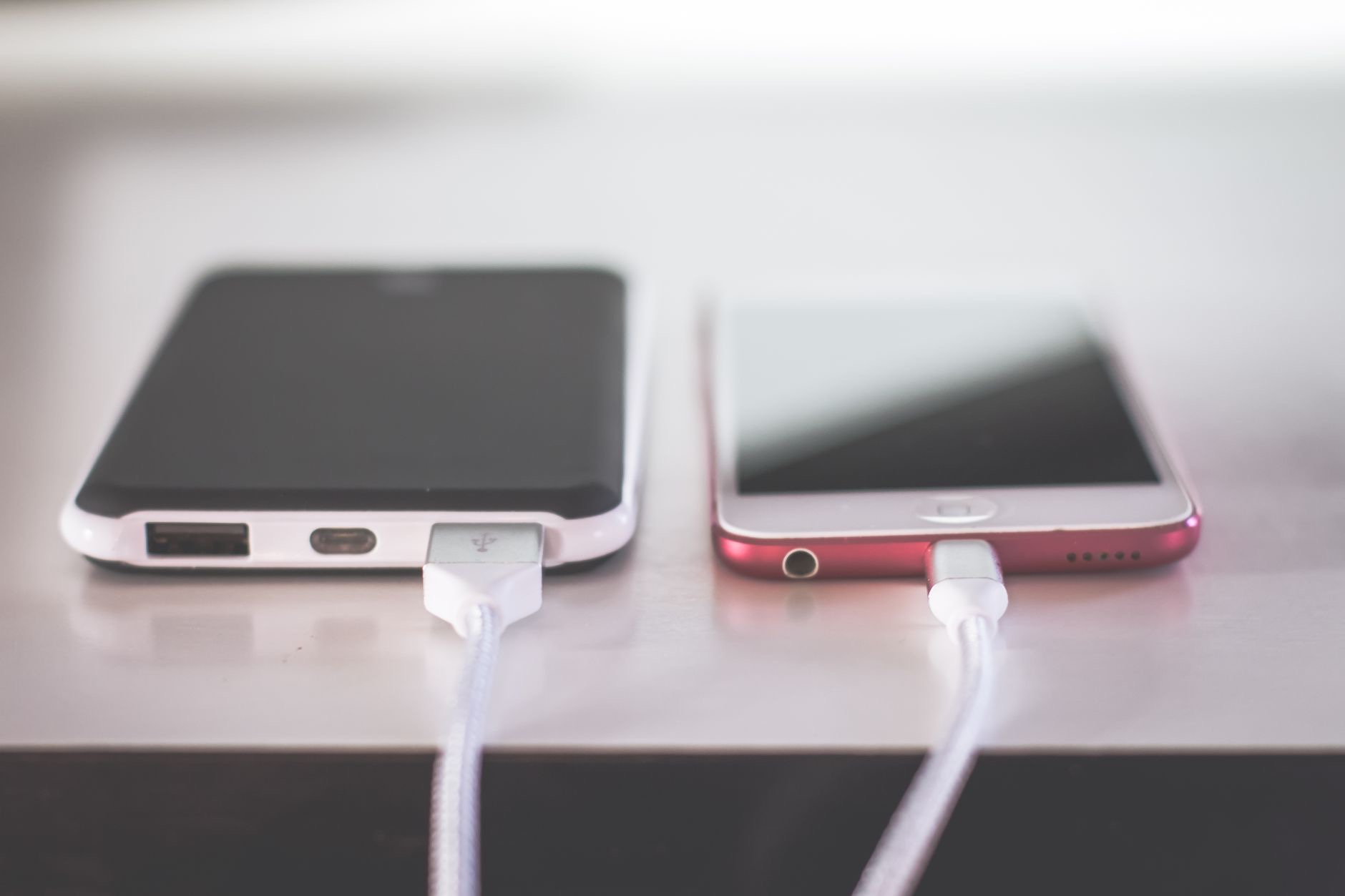
Batteries charge fastest when cool, and your iPhone deliberately slows down when warm to protect itself. A thick case traps charging warmth, so for the deadline sprint, slip the case off and park the phone somewhere cool, never on a sunny windowsill, never under a pillow, never on top of the laptop's warm exhaust. This lever is invisible and real: the same charger fills a cool phone meaningfully faster than a hot one, because the phone stops braking.
Lever Four: Stop Poking It
Every check-in lights the screen, wakes the radios, and interrupts the flow. The fastest charge is an ignored charge: set it down, walk away, live your twenty minutes elsewhere. If discipline fails, at least resist the games and video, the heavy hitters that turn charging into treading water. The phone fills fastest when it is boring, which is the hardest advice in this article to follow and among the most effective.

Know the Curve: The First Half Is the Fast Half
Charging is not linear: iPhones gulp the first stretch and sip the last, by design, to protect the battery near full. Practically, this means a twenty-minute deadline charge from low battery delivers far more than the same twenty minutes from seventy percent, and chasing one hundred percent before leaving is rarely worth the wait. Get the fast half, unplug, go. The curve is your friend if you stop fighting it.
And for Next Time: Make the Deadline Rare
The lasting fix is a life where the sprint rarely happens: a charger at the spots you actually sit, a magnetic charger that makes topping up effortless, and a power bank in the bag for the days that outrun the plan. Deadline charging is a skill worth having and a habit worth retiring. Master the levers for today, place the chargers for tomorrow, and twelve-percent-at-the-door becomes a story you used to have.
★ Editor's Pick · Amazon
Magnetic Power Bank
For the days that outrun every plan
| The lever | The gain |
|---|---|
| Wired plus capable adapter | The biggest, by far |
| Airplane mode | Every watt goes to the battery |
| Case off, cool spot | Removes the heat brake |
| Charge low-to-half, not to full | Rides the fast part of the curve |
Frequently Asked Questions
How do I charge my iPhone faster?
Four levers: go wired with the most capable adapter in the house and a quality cable, flip on airplane mode so watts go to the battery instead of the radios, take the case off and keep the phone cool, and leave it alone while it fills. Together they add real percentage points to a deadline charge.
Does airplane mode really charge faster?
Yes, meaningfully. A phone hunting signal and syncing spends power while charging, and airplane mode ends the spending: radios off, background quiet, every incoming watt banked. For a twenty-minute deadline charge, it is the best software lever available.
Is wireless charging slower than a cable?
For a sprint, yes: wired charging with a capable adapter is the speed king, while wireless trades pace for convenience. Wireless remains perfect for all-day top-ups at a desk or nightstand; the cable is what you reach for when minutes matter.
Should I take my case off while charging?
For the fastest charge, yes, especially thick cases: batteries charge fastest cool, the phone deliberately slows when warm, and a case traps charging heat. Case off and a cool spot lets the phone charge without braking, which the same charger cannot achieve on a hot phone.
Why does charging slow down near full?
By design: iPhones charge quickly through the lower range and ease off near the top to protect battery health. Deadline math follows the curve, twenty minutes from low battery delivers far more than twenty minutes from seventy percent, so take the fast half and go.
What adapter do I need for fast charging?
A sufficiently powerful modern adapter, the class used by laptops and newer chargers, paired with a quality cable. The ancient small cube charges at a trickle by comparison. When speed matters, borrowing the laptop's adapter is the classic household shortcut.
The Bottom Line
Deadline charging is four moves executed at once: the best adapter in the house on a wire, airplane mode on, case off in a cool spot, and hands off until it is time to go. Ride the fast half of the curve instead of waiting on the slow top, and twenty minutes buys you a real evening of battery. Then retire the sprint: chargers where you sit, a power bank in the bag, and the twelve-percent doorway panic becomes ancient history.
Leave a Reply