
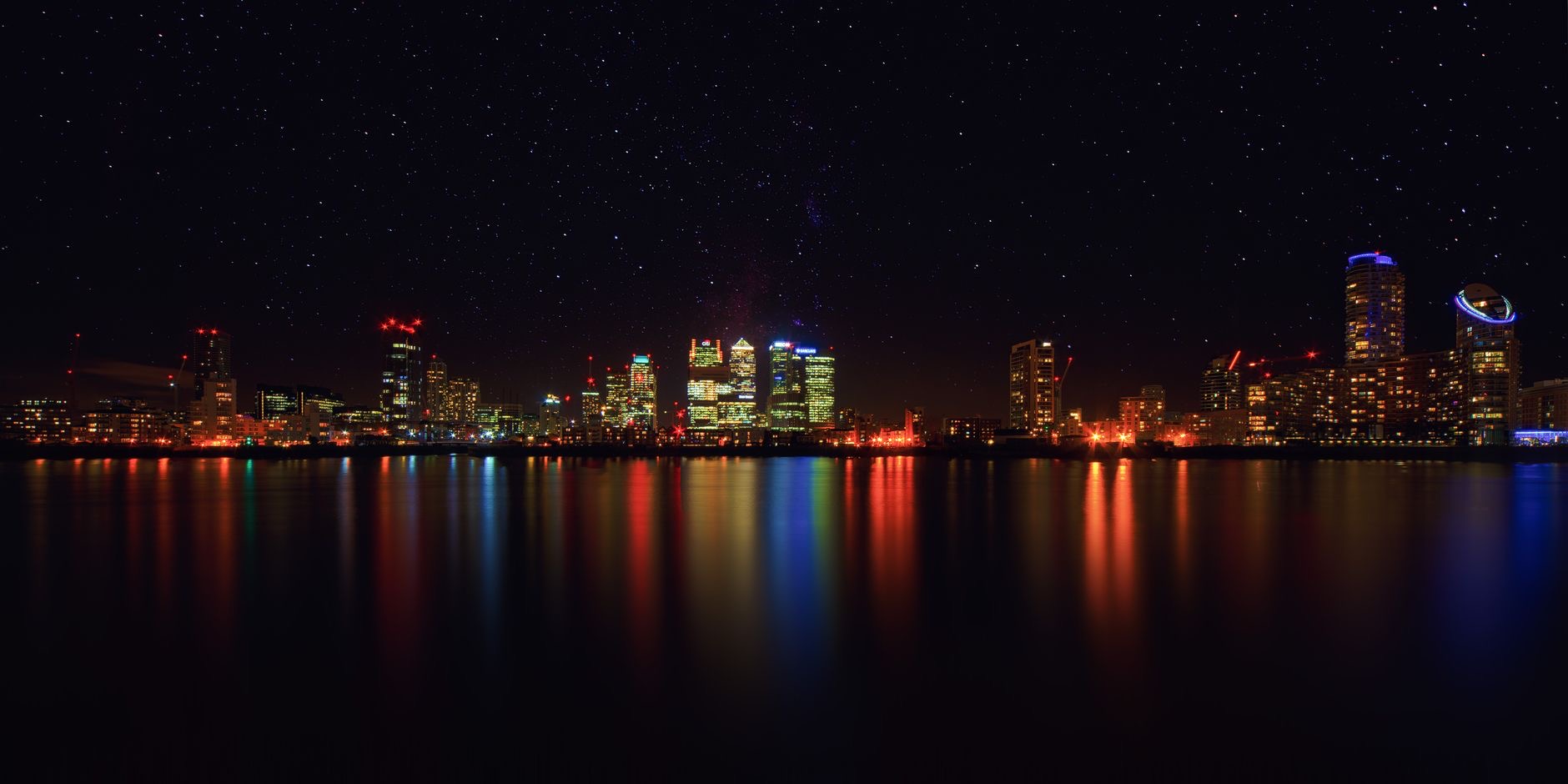
The city at night looks incredible. Your photos of it look like soup. Blurry soup, with a streetlight in it. Night is the hardest thing you ask your iPhone camera to do, and the difference between soup and stunning is not a better phone, it is technique: where the light is, how still the phone is, and one habit you have to quit. Here is night photography, fixed.
Understand the One Problem
Every night photo fights the same shortage: light. The camera compensates by gathering it over more time, which is what Night mode is doing during those seconds of capture, and time is where everything goes wrong, because a camera gathering light for seconds records every tremble of your hands as blur. Understand that, and every rule below explains itself. Night photography is the art of holding still while the camera drinks.
Let Night Mode Do Its Work
When light drops, Night mode steps in on its own and shows a capture time. Your job is to respect it: hold the phone as still as your body allows, brace elbows against your ribs or the phone against a wall, and stay frozen until the capture finishes, not until you think it probably finished. Most ruined night shots die in the last half second, when the photographer declared victory early. The shot is done when the phone says so.
The Tripod: Night Photography's Cheat Code
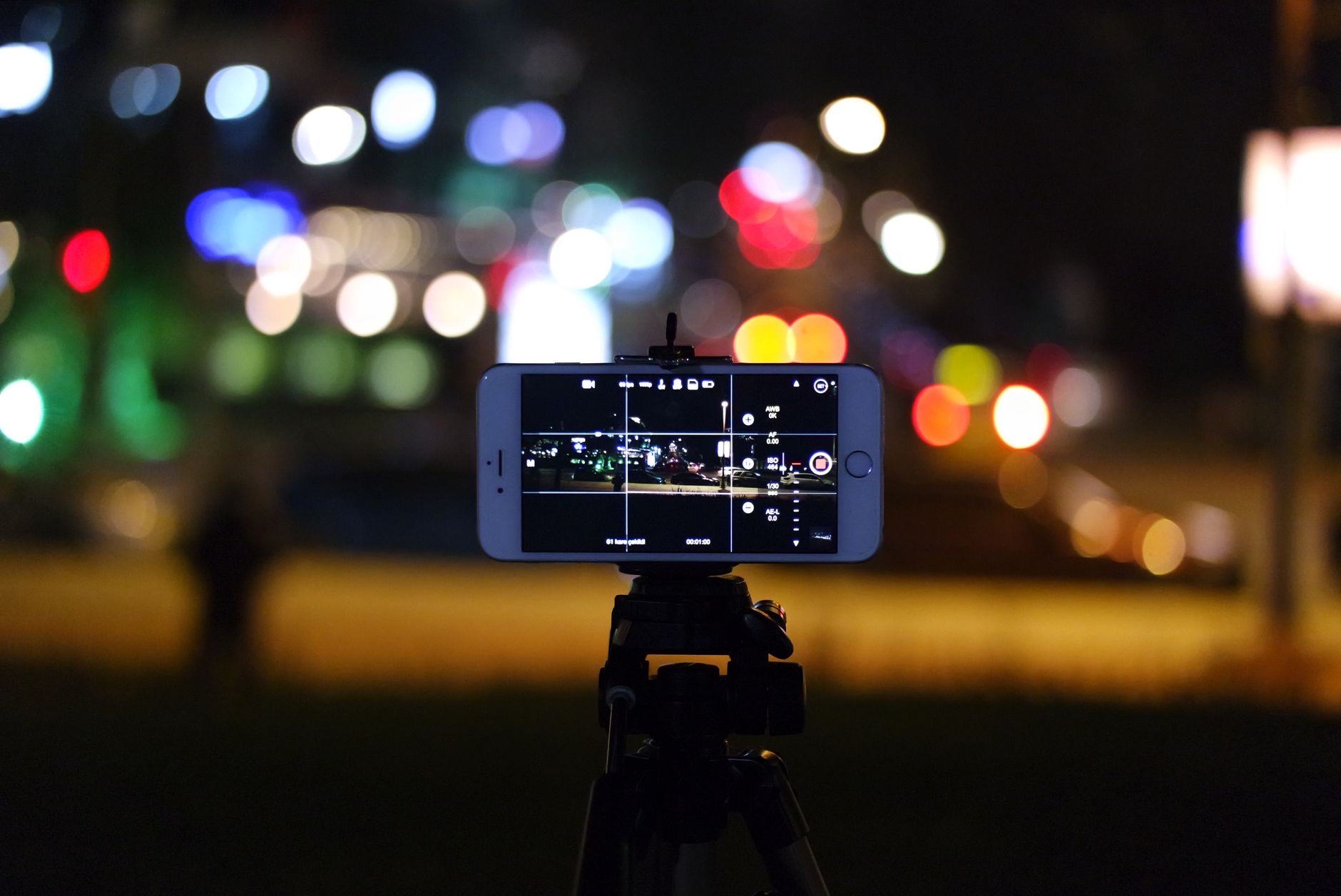
Every serious night shot has the same secret, and it costs less than dinner: a tripod. Perfectly still means the camera can take all the time it wants, and longer, steadier captures are how night photos get that clean, luminous, impossibly sharp look. City skylines, light trails, starry skies, the shots that make people ask what phone you have, are tripod shots. Pair it with a remote so pressing the button does not shake the frame, and you have the entire night kit.
★ Editor's Pick · Amazon
iPhone Tripod
The difference between soup and stunning
★ Editor's Pick · Amazon
Bluetooth Remote
Trigger the shot without touching the frame
Quit the Zoom, Hunt the Light
The habit to break: pinch-zooming at night. Digital zoom crops away the very light data the camera is starving for, turning a struggling photo into a mushy one. Move closer with your feet, or shoot wide and crop later if you must. And instead of fighting darkness, hunt the light that exists, shop windows, streetlamps, neon, headlights. Put your subject near the light and let the darkness be the frame. Night photos are not about defeating the dark. They are about finding its exceptions.
Tap, Then Adjust
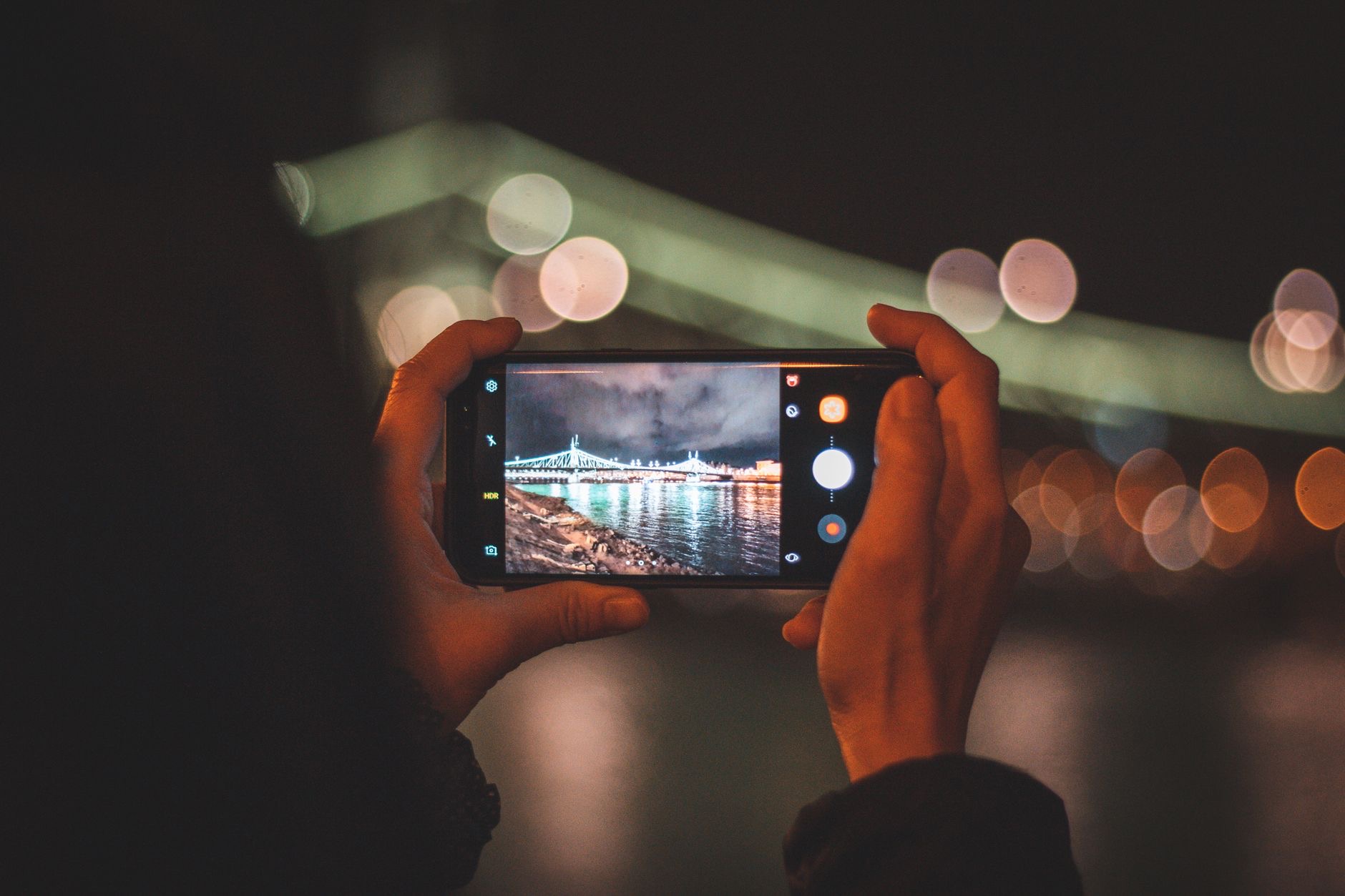
Give the camera a decision at night: tap the screen on your subject to set focus and exposure, then slide the brightness down slightly if the lights are blowing out to white. Overexposed neon and lamps are the second most common night-photo killer after blur, and one small slide preserves the color and glow that made you raise the phone in the first place. Clean the lens first, always, a pocket-smudged lens turns every night light into a halo.
The Practice Route
Night skill compounds fast. One evening walk with a tripod in a bag: a lit storefront, a street with headlight trails, a skyline or bridge, and one dark scene with a single strong lamp. Four setups, twenty minutes, and you will come home with the best low-light shots you have ever taken and the technique to repeat them anywhere. The city was already photogenic at night. Now the evidence will agree.
| The rule | Why it works |
|---|---|
| Hold still until capture ends | Night mode gathers light over seconds |
| Use a tripod for the big shots | Stillness lets the camera take its time |
| Never digital zoom at night | Zoom crops away scarce light data |
| Tap subject, lower exposure | Saves lamps and neon from blowout |
Frequently Asked Questions
How do I take better night photos with an iPhone?
Respect the capture time: hold genuinely still until Night mode finishes, brace against something solid, or use a tripod for the standout shots. Never digital zoom in the dark, put subjects near existing light, tap to focus and pull exposure down slightly, and clean the lens before you start.
Why are my night photos blurry?
Because night captures gather light over seconds, and every hand tremble during those seconds records as blur. Most shots die in the final half second when the photographer moves early. Brace, breathe, and stay frozen until the phone says done, or let a tripod remove hands from the equation.
Is a tripod worth it for phone photography?
For night work, it is the single biggest upgrade available at any price. Perfect stillness lets the camera capture longer and cleaner, which is where the luminous, sharp, professional-looking night shots come from. Skylines, light trails, and stars are all tripod territory.
Why do night photos look worse when I zoom?
Digital zoom crops the image, throwing away light data the camera desperately needs at night, so a struggling photo becomes a mushy one. Move closer physically, or shoot wide and crop afterward. In the dark, the zoom pinch is the most expensive gesture you can make.
Why do streetlights look blown out in my shots?
The camera exposed for the dark scene and let the lights overload to white. Tap your subject to set exposure, then slide brightness down a touch to preserve the glow and color of lamps and neon. One small adjustment saves the atmosphere that made the scene worth shooting.
Does cleaning the lens really matter at night?
More than any other time. A pocket-smudged lens scatters every point of light into halos and haze, which night scenes are full of. One wipe with something soft before shooting is the fastest image-quality upgrade in all of photography, and at night it is dramatic.
The Bottom Line
Night photos fail for one reason, scarce light, and improve with three habits: stillness for the full capture, no digital zoom ever, and subjects placed near the light that exists. Tap to expose, rescue the lamps from blowout, and wipe the lens before the first frame. For the shots that stop people mid-scroll, a tripod and remote turn seconds of capture into clean, luminous, tack-sharp night, and they cost less than the dinner you photographed on the way.
Leave a Reply