
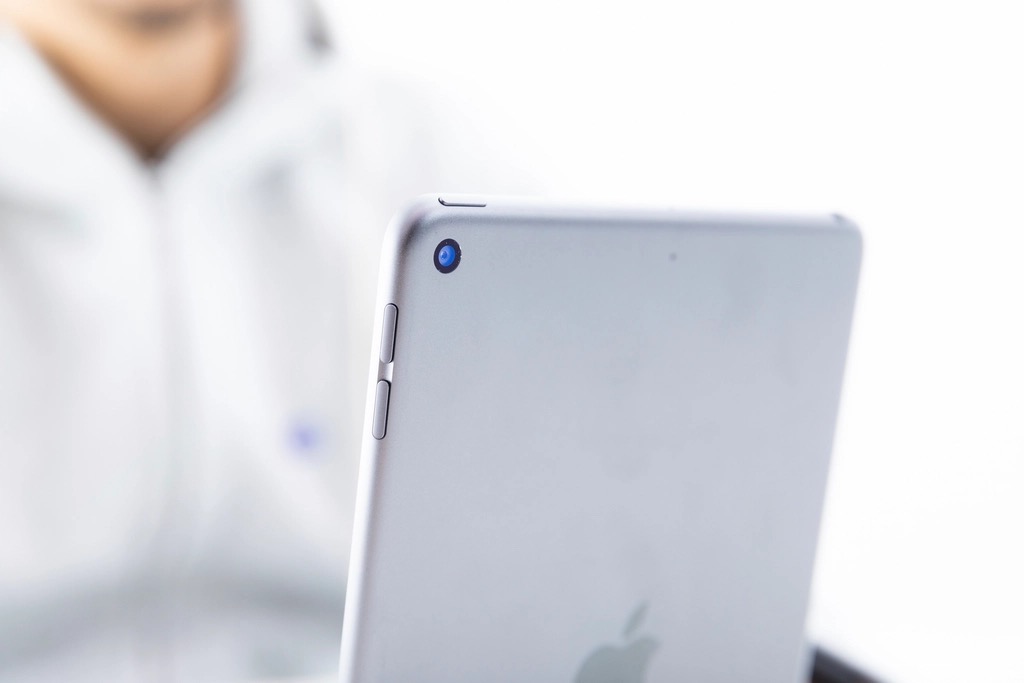
For over a decade, Apple had one answer when you asked for a touchscreen Mac. No. Your arm gets tired, that is what iPad is for, end of discussion. So the latest report is a small earthquake: a touchscreen MacBook is coming, and it launches on the current M5 chip, not some far-off future one. That timing is the whole story, and I will explain why.
Apple Said No for Ten Years. What Changed?
Steve Jobs himself dismissed touchscreen laptops, and Apple held that line for over a decade. The official reasoning was ergonomics. Reaching up to touch a vertical screen all day is tiring, and the Mac was built around the keyboard and trackpad.
That argument was never wrong. It was just incomplete. Touch as the only input is tiring. Touch as an extra input, used now and then, is genuinely useful, which is exactly how it works on every iPad.
Apple did not suddenly discover this. It decided the moment was finally right to ship it.
Why Launching on M5 Is the Real Headline
Companies signal their priorities through timing, so pay attention to this detail. Apple is not holding the touchscreen MacBook back for a future chip. It is shipping it on the M5 it already has.
Looking at how Apple typically operates, that is the move of a company that is committed, not experimenting. A hedge would look like a quiet, delayed, future release. Shipping now says touch is here to stay and will spread across the Mac line.
| Input | Best for |
|---|---|
| Keyboard | Writing, shortcuts, real work |
| Trackpad | Precision, gestures, everyday control |
| Touch | Quick taps, scrolling, signing, dragging |
What a Touchscreen MacBook Actually Changes
Do not picture yourself drawing on a vertical laptop screen all day. That is the strawman Apple itself used for years. Picture the small things instead: tapping a button, scrolling an article, signing a document, dragging an item when your hand is already near the screen.
It complements the keyboard and trackpad, it does not replace them. If you have ever instinctively reached up to tap your MacBook screen and felt silly when nothing happened, this is for you.
The Common Worry, and Why It Is Overblown
The fear is that touch turns macOS into a clumsy tablet interface. I do not buy it. Apple has spent years carefully borrowing iPad ideas without breaking the Mac, and a touchscreen layered on top of the existing trackpad-first design is additive, not a takeover.
See how the rest of the lineup is shaping up in our review of the new MacBook M5 and the MacBook Ultra breakdown.
Mac and iPad Keep Converging
Step back and every signal points the same way. macOS keeps gaining iPad features, the iPad keeps gaining Mac features, and now the hardware is meeting in the middle too. A touchscreen MacBook is the clearest physical sign yet that Apple's two computing platforms are growing toward each other.
Whether that thrills you or worries you depends on how much you love the Mac exactly as it is today.

Quick Answers Before You Buy
Is Apple really making a touchscreen MacBook?Multiple supply-chain reports say yes, with the first model launching on the M5 chip. Apple has not confirmed it officially.
Will the touchscreen MacBook replace the iPad?No. The iPad remains the touch-first tablet. The Mac gains touch as a secondary input, not as its main one.
Does a touchscreen make the MacBook more expensive?Likely a small premium for the touch layer, but pricing is not official yet. Weigh it against how often you would actually use touch.
Will older MacBooks get touchscreens?No. Touch requires new hardware, so it will only come on new models, starting this fall.
My Honest Verdict
Here is my take. After ten years of insisting touchscreen Macs were a mistake, Apple shipping one on its current chip is not a quiet experiment. It is a commitment, and I think it is the right call. Touch as a secondary input has been useful on iPad for years, and the Mac is overdue.
If touch is a feature you have quietly wanted, this is worth waiting for. If you are indifferent, the standard M5 models will serve you just as well. Either way, the Mac you knew is evolving.
So which is it for you, a smart evolution or Apple admitting it was wrong all along? Tell me in the comments.
Leave a Reply