Tag: comparison

  • iPhone vs Android: Which Should You Actually Buy in 2026?

    iPhone vs Android: Which Should You Actually Buy in 2026?

    The iPhone vs Android debate is mostly noise. After years of carrying both as my daily phone, I can tell you the honest truth: for most people one of them is clearly the better pick, and it is probably not the one your loudest friends keep pushing. Forget the tribalism. Here is how to actually choose, point by point.

    The Real Difference Is Not the Specs

    Here is the first thing nobody tells you: in 2026, the camera, the screen, and the speed are close enough that you will not notice the gap in daily life. A mid-tier phone from either side feels fast and shoots great photos. The raw spec war is effectively over for normal humans.

    What actually decides your happiness is the ecosystem. iPhone locks you into Apple's world: iMessage, AirDrop, your MacBook, your AirPods, your Watch, all talking to each other seamlessly. Android gives you freedom: cheaper hardware, real customization, and no walled garden. That choice, not the megapixels, is the whole ballgame.

    So stop asking which phone is faster and start asking which set of trade-offs you actually want to live with for the next three or four years. That single reframing makes the decision easy.

    When the iPhone Is the Right Choice

    Buy an iPhone if any of these are true:

    • You already own a Mac, iPad, or AirPods. The ecosystem payoff is enormous and you feel it every single day.
    • You want the longest software support. Apple updates iPhones for five to six years, longer than almost any Android maker.
    • You value resale. iPhones hold their value far better, which quietly lowers the real cost of ownership.
    • Your family and friends use iMessage. Group chats, location sharing, and FaceTime just work.

    In my experience, the Apple ecosystem is sticky for a reason: once your devices talk to each other, going back feels broken. If you live in that world already, the iPhone is the easy call. It also pairs naturally with the rest of your kit, like the laptops in our MacBook M5 review.

    When Android Is the Smarter Buy

    Android wins, and it is not close, in these cases:

    • You want more phone for less money. Android covers every price, and a $400 Android often does 90% of what a $1,000 iPhone does.
    • You like to customize. Launchers, widgets, default apps, deep file access. Android treats the phone as yours.
    • You want hardware variety. Folding phones, giant batteries, telephoto zoom monsters. Android experiments where Apple plays it safe.

    Here is a concrete example. A mid-range Android in 2026 gives you a big OLED screen, all-day battery, and a capable triple camera for roughly half the price of a flagship iPhone. If you do not care about iMessage or resale, that is simply more phone for your money, and pretending otherwise is brand loyalty talking.

    Two smartphones side by side on a desk

    The Mistake People Make When Switching

    The costliest error I see is switching platforms on impulse without counting the hidden costs. Moving from iPhone to Android, or back, means re-buying some paid apps, losing iMessage blue bubbles, and rebuilding your smart-home and accessory setup. The phone might be cheaper, but the switch is not free. Switch because the ecosystem genuinely fits you better, not because a single spec looks shiny this year.

    Cameras: The Honest Truth in 2026

    This is where the marketing gets loudest and the reality gets quietest. At the very top end, the best iPhone and the best Android trade blows. iPhone tends to be more consistent and noticeably better at video, while some Android phones pull ahead on zoom range and night shots.

    But here is the part reviewers bury: for the photos you actually take and share, viewed on a phone screen at small size, the difference is almost invisible. Both take photos your family will love. Buy the camera whose look you prefer, warmer and punchier on many Androids, more natural and true to life on iPhone, and ignore the pixel-peeping charts.

    Privacy, Updates, and the Long Game

    This is where the math gets interesting. An iPhone costs more upfront but holds value and gets updates for years, so the cost spread over time is lower than it looks. Apple also has a stronger default privacy story, with tighter app tracking controls baked in. A budget Android costs little upfront but may stop getting updates in two to three years, which is a real security concern. A flagship Samsung or Pixel now matches Apple on update length, so at the high end that gap has nearly closed.

    Pick iPhone if... Pick Android if...
    You own other Apple devices You want the best value for money
    You keep phones 4+ years You love customizing everything
    Resale value matters to you You want unique hardware (folding, zoom)
    You want the simplest privacy defaults You want choice over one tidy walled garden
    A person using a smartphone

    Apps, Gaming, and Accessories

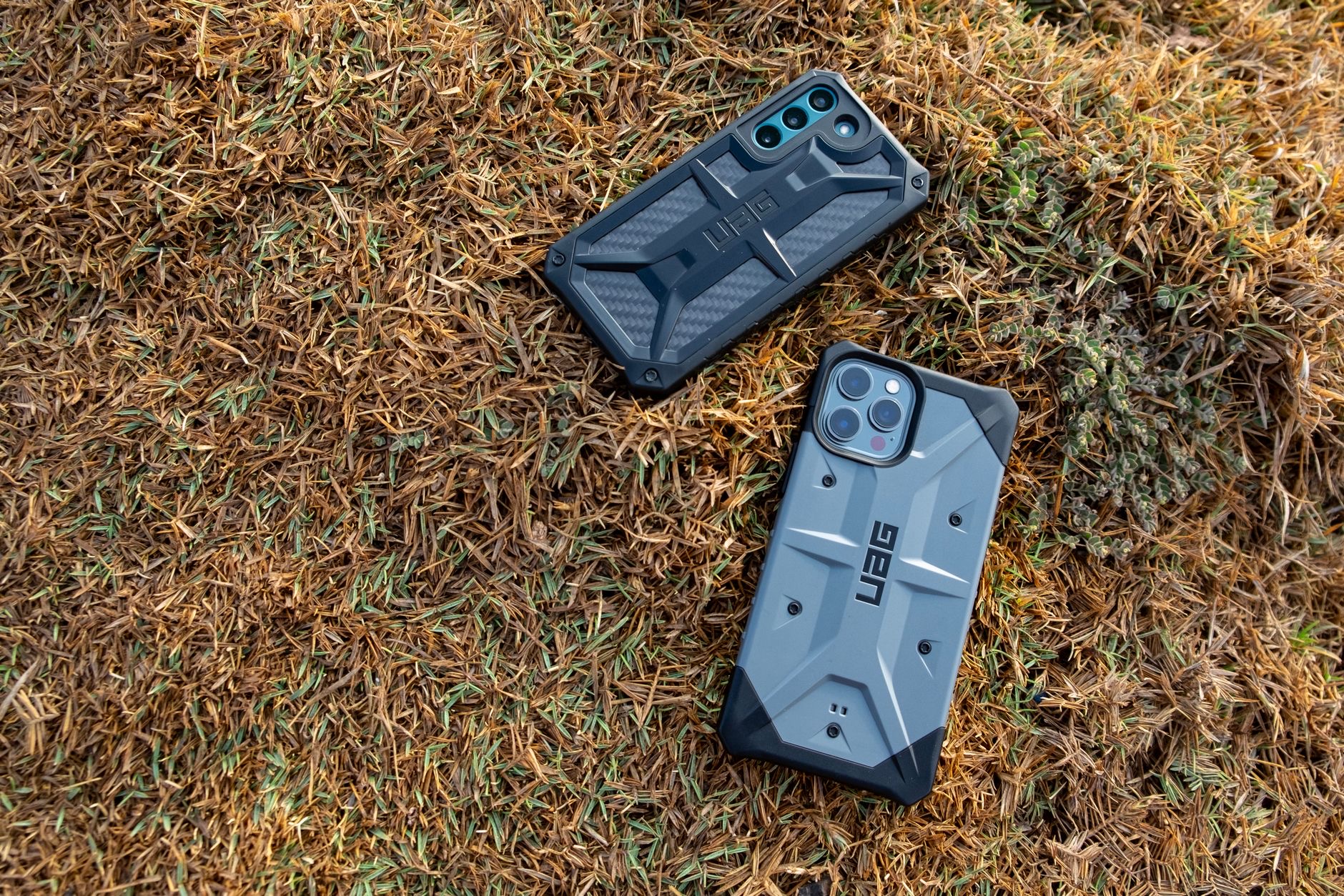
    One area people forget until it bites them is the little stuff around the phone. The biggest apps launch on both platforms on day one, so you will not be left out either way. But iPhone still tends to get the polished version of a hot new app first, and its accessory market of cases, mounts, docks, and stands is simply enormous. If you love kitting out your phone, that ecosystem of add-ons is a real, daily perk.

    Android's advantage is flexibility. You can sideload apps, use any file manager, set your own default browser and messaging app, and plug into a wider range of chargers and standards without Apple's restrictions. For gaming, both run the big mobile titles smoothly on modern hardware, but Android's openness gives you more freedom for cloud gaming and emulation. If you want the most consistent, best-supported app experience with the least fuss, iPhone edges it. If you want to tinker and control every detail, Android wins. As with everything in this debate, it comes back to polish versus freedom.

    Quick Answers Before You Choose

    Is the iPhone really better than Android?Neither is better overall. iPhone wins on ecosystem, updates, and resale. Android wins on value, choice, and customization. The right one depends on what you already own.

    Is it hard to switch from iPhone to Android?Photos, contacts, and most data transfer easily with Google's tools. The friction is iMessage, paid apps, and accessories, not your files.

    Which lasts longer, iPhone or Android?iPhones get the longest software support, five to six years. Flagship Samsung and Pixel phones now match that, but cheap Android phones do not.

    Does Android take better photos than iPhone?At the top end they trade blows. iPhone is more consistent and better at video, some Android phones have better zoom. For most people the difference is tiny.

    Is Android less secure than iPhone?Not if you buy a flagship that gets regular updates. The real risk is cheap Android phones that stop getting security patches early.

    My Honest Verdict

    Stop asking which phone is better and ask which world you want to live in. If you own a Mac or AirPods and keep phones for years, the iPhone is the obvious, low-stress choice. If you want maximum phone for your money and the freedom to make it yours, Android is the smarter buy, full stop.

    Whatever you pick, buy for the ecosystem and the years ahead, not for one headline spec. If you are leaning iPhone, see whether the latest model is even worth it in our iPhone 17 vs iPhone 16 breakdown.

    So which side are you on, and what are you switching from? Tell me in the comments and I will give you a straight recommendation.