
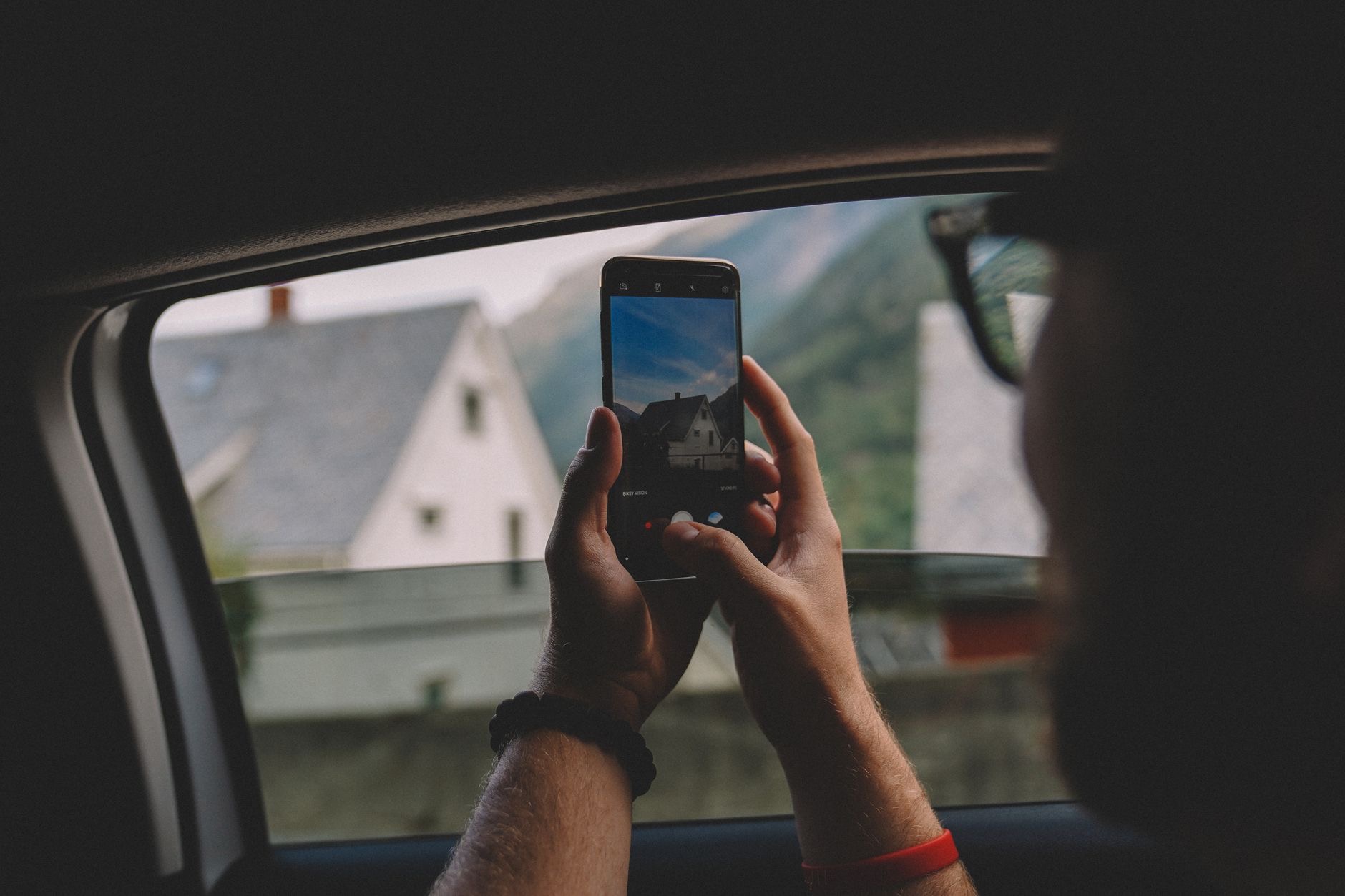
You do not need a separate camera anymore, and the iPhone is the single biggest reason why. But not every iPhone shoots the same, and if photography is the thing you care about most, choosing the right model genuinely changes the photos you walk away with. Let us cut through the lineup and find the iPhone that fits how you actually shoot.
What Actually Makes an iPhone Good for Photos
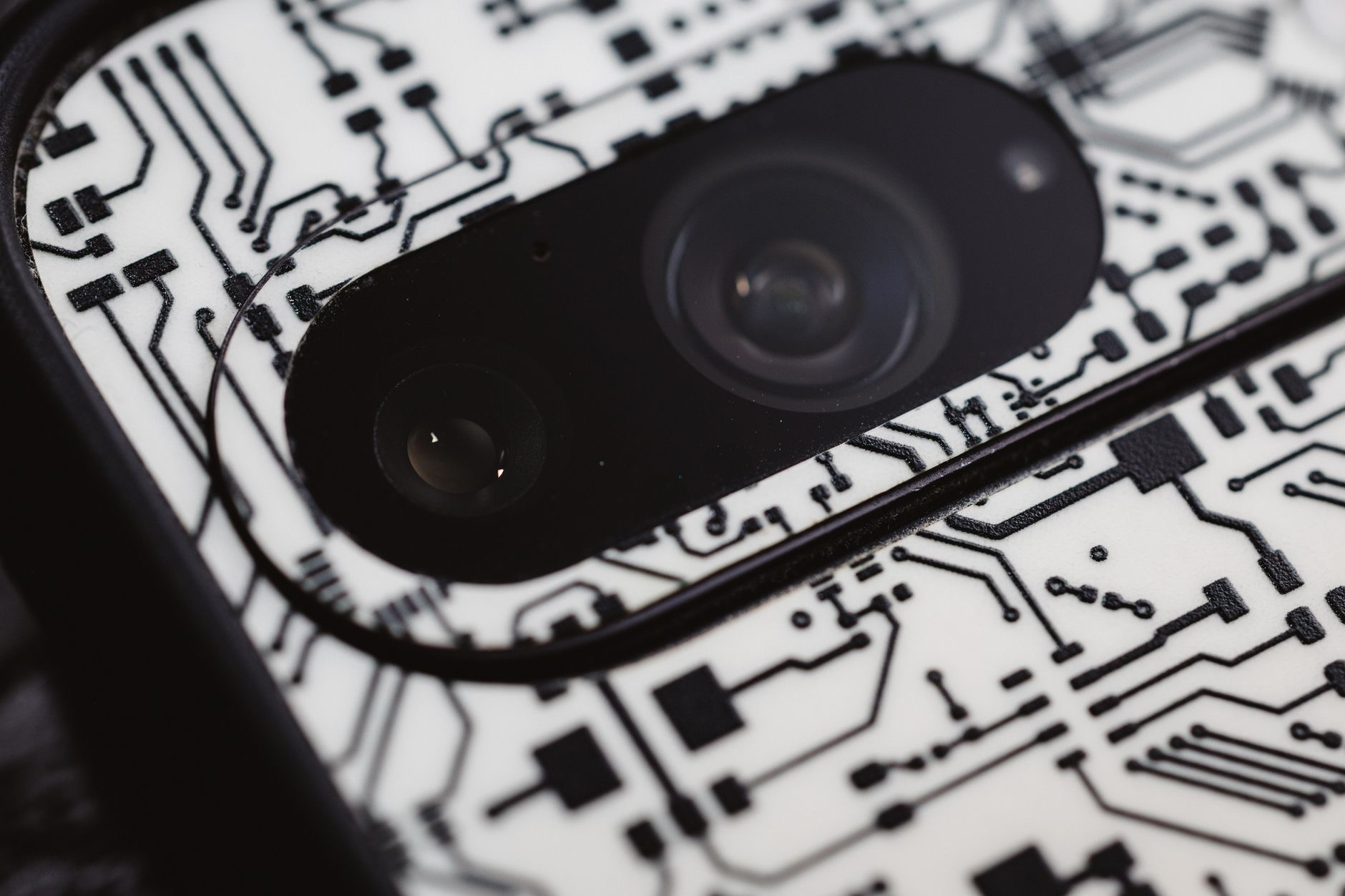
Before chasing the most expensive model, it helps to know what really moves the needle. Three things matter most for everyday photography: the number of rear cameras, the quality of the main sensor in low light, and the zoom range. A dedicated telephoto lens lets you get closer without smearing detail, an ultra-wide opens up landscapes and tight interiors, and a strong main camera carries you through dim restaurants and evening streets. Features like advanced computational processing help every shot, but the hardware sets the ceiling. Match that ceiling to the kind of photos you take most, and you will spend money where it counts.
The Pro Models: For People Who Shoot Seriously
If photography is a hobby rather than a convenience, the Pro line is where the real tools live. You get the most complete camera system Apple offers, typically a main, ultra-wide, and telephoto trio, which means genuine optical zoom rather than cropped-in digital guesswork. The Pro models also tend to handle low light best and offer the most control for anyone who likes to edit. For street photography, travel, portraits with real background separation, and low-light scenes, this is the iPhone that rewards your attention. It costs more, but for a serious shooter the gap between Pro and standard is the difference between settling and getting the shot.
★ Editor's Pick · Amazon
iPhone 16 Pro
The most complete camera system for serious photography
Sizes: iPhone 16 Pro · 16 Pro Max
The Standard iPhone 16: The Sweet Spot for Most People
Here is the honest truth: most people do not need the Pro. The standard iPhone 16 takes excellent photos in good light, handles everyday scenes beautifully, and produces images the vast majority of people would never tell apart from a Pro shot on a phone screen or social feed. You typically give up the dedicated telephoto zoom and some low-light headroom, but you keep the modern processing, a strong main camera, and the ultra-wide for landscapes. If your photos live on your phone and online, and you are not pixel-peeping shadows, the standard model delivers the best balance of camera quality and price in the lineup.
Budget Pick: iPhone 15 and iPhone 14
Last year's models do not suddenly take bad photos. The iPhone 15 and iPhone 14 still capture sharp, vibrant images and remain a smart buy for anyone watching their budget. You miss the very latest processing tweaks and some refinements, but the core photographic experience is very much intact. For a casual shooter who wants great everyday photos without paying flagship prices, a recent previous-generation iPhone is one of the best value decisions you can make. The camera you have with you beats the better camera sitting at home, and these models put a genuinely capable camera in your pocket for less.
★ Editor's Pick · Amazon
iPhone 15
Last-gen value that still shoots beautifully
Zoom: The Feature Worth Paying For
If there is one capability that separates the tiers in a way you will feel daily, it is optical zoom. A telephoto lens lets you photograph a child on a stage, a detail across a street, or a flattering portrait from a natural distance without destroying the image quality. Digital zoom on any phone simply crops and enlarges, which softens detail fast. If you frequently find yourself wishing you could get closer, prioritize a model with a dedicated telephoto. If you mostly shoot what is right in front of you, you can comfortably save that money.
Low Light: Where the Pro Pulls Ahead
Evening dinners, concerts, dim living rooms, and night streets are where cheaper cameras struggle and better ones shine. The Pro models generally have larger sensors and gather more light, which means cleaner, sharper low-light photos with less of that smeary, noisy look. The standard models have improved enormously here too and do well, but if a large share of your photography happens after sunset or indoors without much light, the low-light advantage is a real reason to step up. Be honest about when you actually shoot, and let that guide the decision.
Video Matters Too
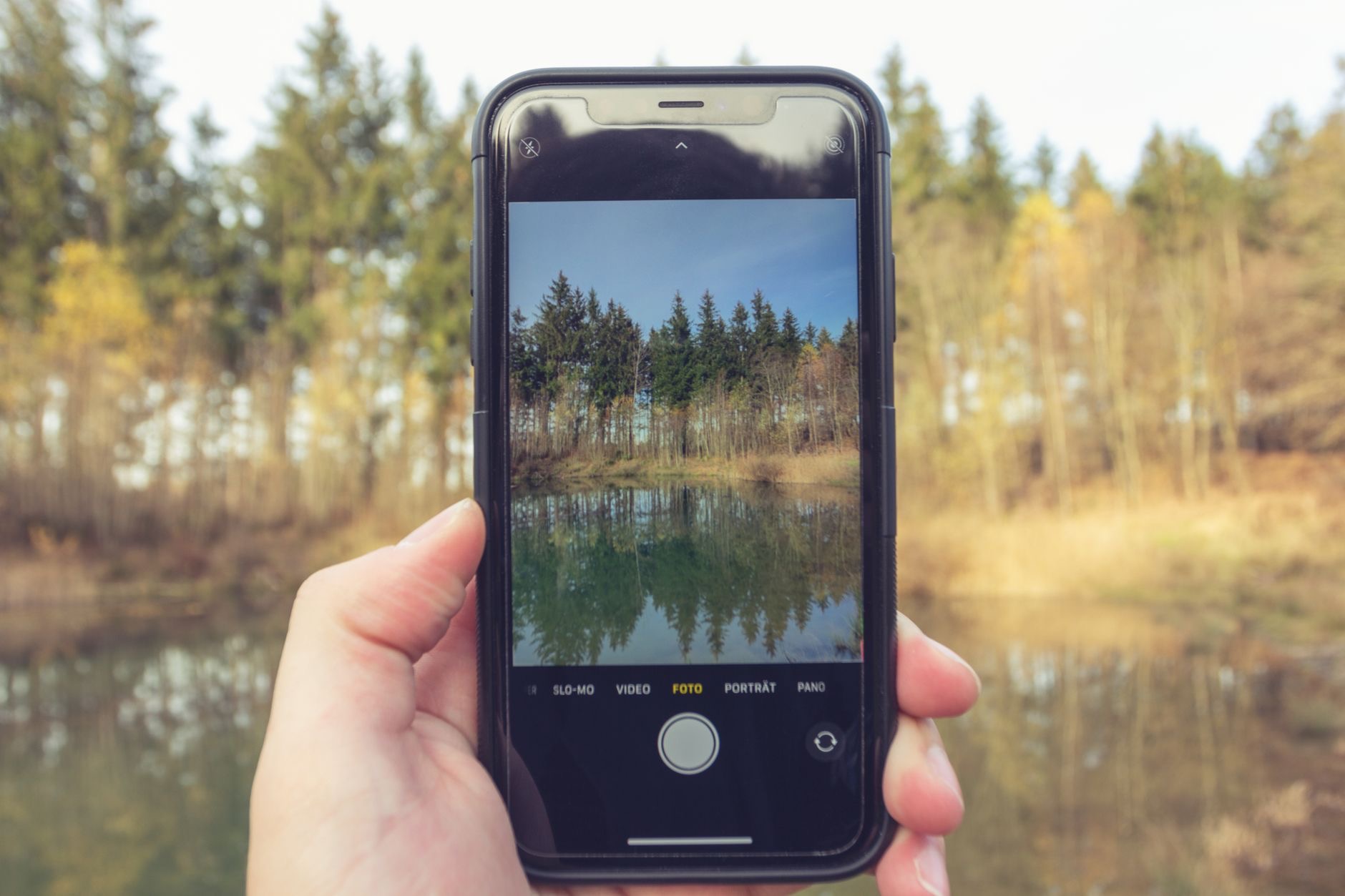
Photography buyers often overlook video, then realize half of what they capture moves. Every recent iPhone shoots genuinely impressive video, and the higher-end models add more advanced recording options, better stabilization, and greater control that matter if you create content seriously. For casual clips of family and travel, any current iPhone is more than enough. For anyone editing video, vlogging, or building a following, the Pro models give you headroom worth having. Factor in how much you film, not just how much you photograph, before you decide where to land.
Storage: Do Not Get Caught Short
High-quality photos and especially video eat storage quickly, and there is nothing more frustrating than the "storage full" message right as something worth capturing happens. If you shoot a lot, lean toward more storage than you think you need, because you cannot expand it later. A serious shooter on a base-storage phone will be managing space constantly. This is one place where spending a little more up front saves real daily aggravation, so size your storage to your shooting habits rather than to the lowest sticker price.
| If you... | Best pick | Why |
|---|---|---|
| Shoot seriously, love zoom and low light | iPhone 16 Pro | Full camera system, best in the dark |
| Want great photos, sensible price | iPhone 16 | Excellent main camera, best balance |
| Watch your budget | iPhone 15 / 14 | Still capable, much better value |
| Want the cheapest entry | iPhone SE | Solid single camera, lowest price |
Frequently Asked Questions
Is the iPhone Pro really worth it just for photography?
For serious hobbyists, often yes. The dedicated telephoto zoom and stronger low-light performance produce photos the standard model cannot match in those situations. If you mostly shoot in good light and rarely zoom, the standard iPhone gives you most of the quality for noticeably less money.
Can a budget iPhone still take great photos?
Absolutely. The iPhone 15, 14, and even the SE capture sharp, vibrant images in good light. You give up some zoom range, low-light headroom, and the latest processing, but the everyday photo experience remains genuinely strong for casual shooting and social sharing.
How important is the telephoto lens?
Very, if you often photograph subjects at a distance, like kids on a stage, wildlife, or portraits from a natural distance. Optical zoom preserves detail that digital zoom destroys. If you rarely need to get closer, you can comfortably skip it and save money.
How much storage do I need for photography?
More than you expect, since photos and video fill space fast and cannot be expanded later. If you shoot frequently, choose a higher storage tier up front. A heavy shooter on base storage will constantly juggle space, which is easy to avoid by sizing correctly at purchase.
Does low-light performance really differ between models?
Yes. Higher-end models gather more light and produce cleaner, sharper images in dim settings, while cheaper cameras get noisier and softer. If much of your shooting happens indoors or at night, this difference is one of the clearest reasons to step up a tier.
Should photographers care about video specs?
If you film as well as shoot, yes. Higher-end iPhones offer more advanced recording, better stabilization, and greater control. For casual clips any current model is plenty, but content creators benefit from the extra headroom the Pro models provide.
Our Honest Take
For a serious shooter who values zoom and low-light quality, the iPhone 16 Pro is the clear choice and worth every extra dollar. For almost everyone else, the standard iPhone 16 hits the sweet spot of excellent photos and sensible price, and the iPhone 15 is the value champion if you want to spend less. Buy based on how and when you actually shoot, not on the spec sheet alone, and you will end up with the right camera in your pocket.
★ Editor's Pick · Amazon
iPhone 16 Pro
Ready to upgrade your photography? Check today's price
Leave a Reply