
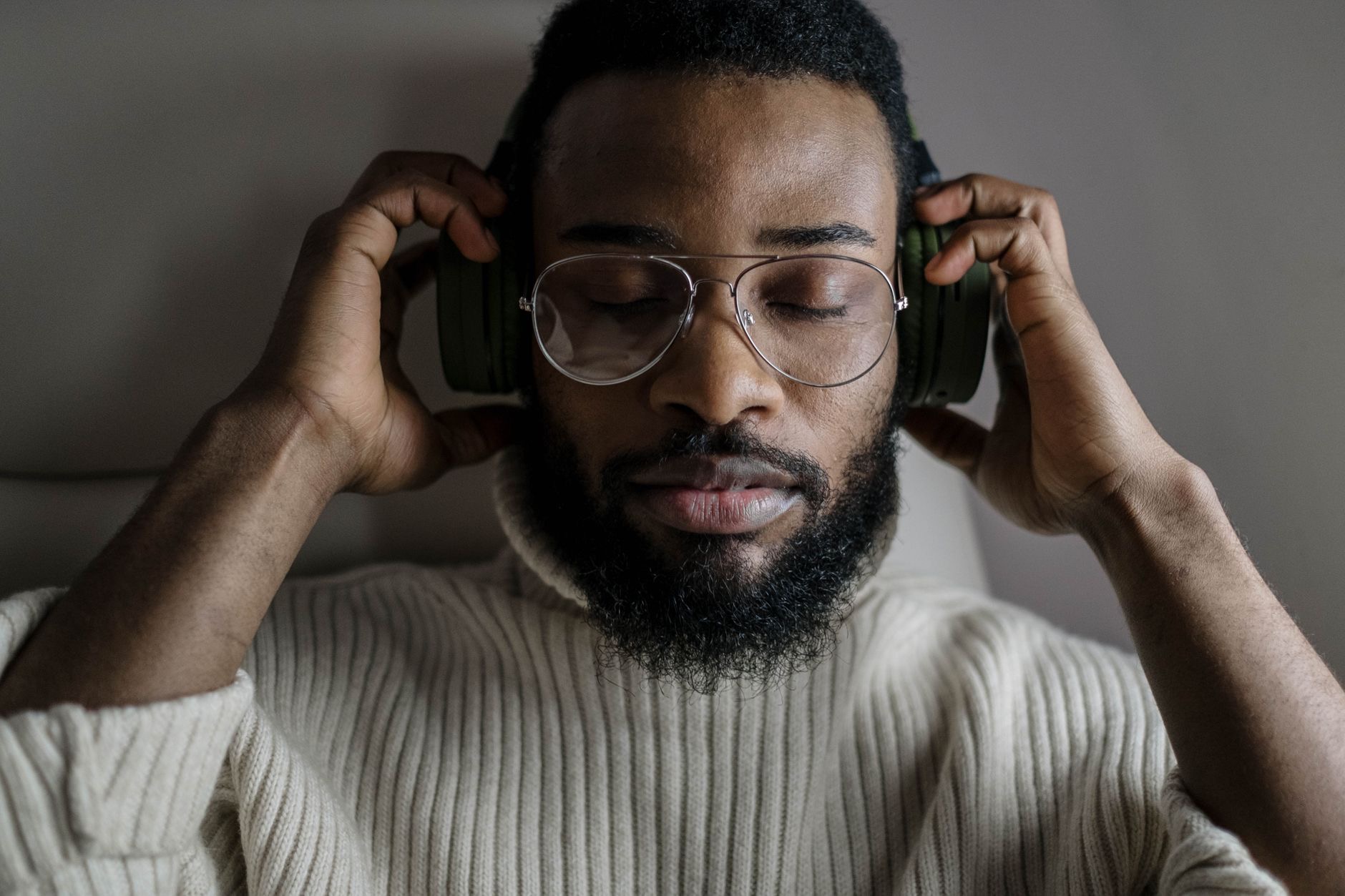
Your ears keep score, even when you do not. Hearing wears down quietly, from years of loud-and-long listening, and by the time you notice, the loss is not coming back. The good news is that protecting your hearing does not mean giving up your music. It means three habits and one counterintuitive purchase. Here is how to keep the soundtrack and the hearing both.
The Two Ingredients of Hearing Damage
Volume and time. Loud is survivable briefly, and quiet is fine indefinitely, but loud multiplied by hours is how damage accumulates, and earbuds make loud-for-hours effortless. The common rule of thumb among hearing advocates is moderate volume with regular breaks, some phrase it as keeping volume around the middle of the range and resting your ears every hour or so. The exact numbers matter less than the principle: your ears need volume they can live with and pauses they can recover in.
Why You Keep Turning It Up
Here is the trap: most volume creep is not about the music, it is about the world. The train roars, so you turn up. The cafe chatters, so you turn up. You are not chasing louder music, you are drowning background noise, and your ears pay for the difference. Which leads to the counterintuitive fix: the best hearing protection an everyday listener can buy is noise cancellation, because when the roar disappears, the volume knob comes down on its own.
★ Editor's Pick · Amazon
AirPods Pro
Cancel the roar, and the volume comes down by itself
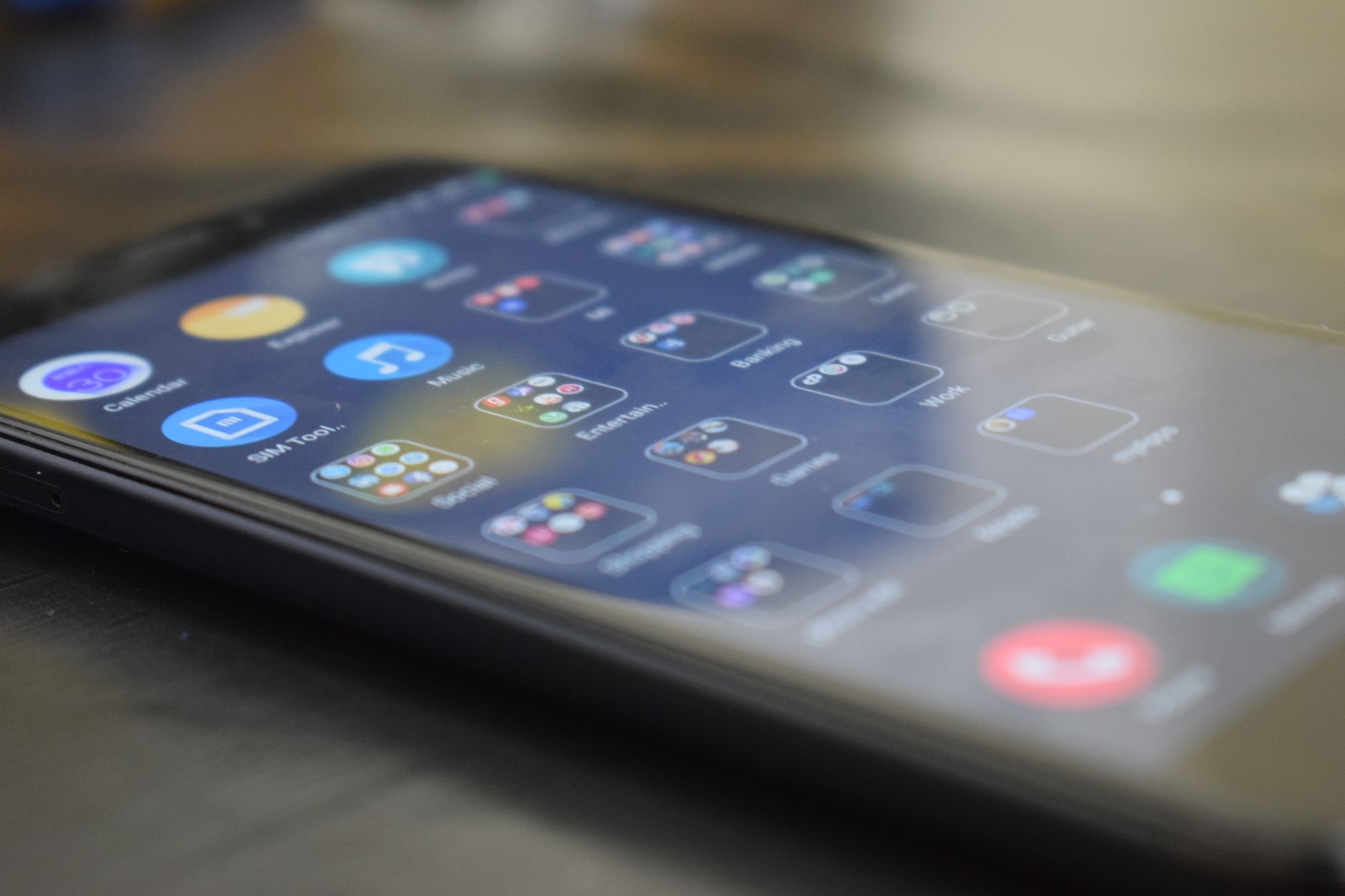
Let Your iPhone Watch the Meter
Your iPhone can monitor your headphone audio levels and flag when your listening has been loud, and it can be set to reduce loud sounds over a limit you choose. Turn those features on and the guesswork disappears: you get a dashboard for a sense you cannot check in a mirror. Most people who look at their listening data for the first time are surprised in one direction or the other, and either way, knowing beats guessing with something you only lose once.
The Habits That Cost Nothing
Three free upgrades, in order of impact. Set the volume in a quiet room and resist retouching it in noise, that is what the noise cancellation is for. Take the one-song break: ears recover fast when you give them silence regularly. And at night, favor quieter listening entirely, falling asleep to loud audio means hours of exposure you never chose. None of this dims the joy of music. It just removes the volume you were never actually enjoying, only enduring.

Noise Cancelling for Different Lives
Commuters gain the most, because transit is exactly the loud-for-hours environment where volume creep lives. Office workers in loud spaces come second. Even at home, cancelling a droning appliance or street noise lets the same song satisfy at a notch or two lower. If over-ear comfort suits you better for long sessions, the same logic applies at the premium end. The product category does not matter, the principle does: silence the background, and you stop paying for it with your ears.
★ Editor's Pick · Amazon
AirPods 4 With Noise Cancelling
The same protection, at a friendlier price
Protecting the Thing Music Needs
The point of all this is not caution for its own sake. You protect your hearing because it is the instrument every song you will ever love gets played on, and it does not get replaced. Moderate volume, regular breaks, monitoring on, and noise cancellation doing the quiet work of keeping the knob low: that combination keeps decades of listening ahead of you sounding the way music is supposed to sound. Your ears keep score. Give them a winning one.
| Habit | Why it works |
|---|---|
| Moderate volume, set in quiet | Removes noise-driven volume creep |
| Regular listening breaks | Ears recover in silence |
| Headphone level monitoring on | A meter for a sense you cannot see |
| Noise cancellation | Lower volume, same satisfaction |
Frequently Asked Questions
How do I protect my hearing while using AirPods?
Keep volume moderate and set it in a quiet room, take regular listening breaks, turn on your iPhone's headphone level monitoring and loud-sound reduction, and use noise cancellation in loud places so you stop turning up to fight background noise. If you notice ringing or muffled hearing, see a professional.
Does noise cancelling actually protect hearing?
Indirectly but powerfully. Most harmful volume comes from turning up to drown background roar, and when cancellation removes the roar, listeners naturally settle at lower volumes for the same satisfaction. Silencing the background means you stop paying for it with your ears.
What volume is safe for headphones?
The common rule of thumb is moderate volume, around the middle of the range, with breaks every hour or so. Loud is survivable briefly, but loud multiplied by hours is how damage accumulates. Your iPhone's headphone monitoring can flag when listening has been loud, replacing guesswork.
Can my iPhone limit loud headphone audio?
Yes, it can monitor your headphone levels, notify you about loud listening, and reduce sounds over a limit you set. Turning these on gives you a dashboard for your exposure, and most people are surprised by their own data the first time they look.
Why do I keep turning the volume up on commutes?
Because you are drowning the train, not enjoying the music louder. Background noise drives volume creep, and your ears absorb the difference for hours. Noise cancellation removes the thing you were fighting, which is why commuters gain the most hearing benefit from it.
Is it bad to fall asleep with audio playing?
Loud audio all night means hours of exposure you never consciously chose, so if you sleep to sound, keep it quiet and consider a timer. Gentle, low-volume audio is a different story from drifting off mid-playlist at commute volume.
The Bottom Line
Hearing wears out on two inputs, volume and time, and earbuds make both easy to overdo. The fix keeps the music: moderate volume set in a quiet room, regular breaks, your iPhone's level monitoring switched on, and noise cancellation doing the counterintuitive heavy lifting, because when the background roar disappears, the volume comes down on its own. Protect the instrument every song you love is played on. It is the one piece of audio gear that never gets an upgrade.
Leave a Reply