
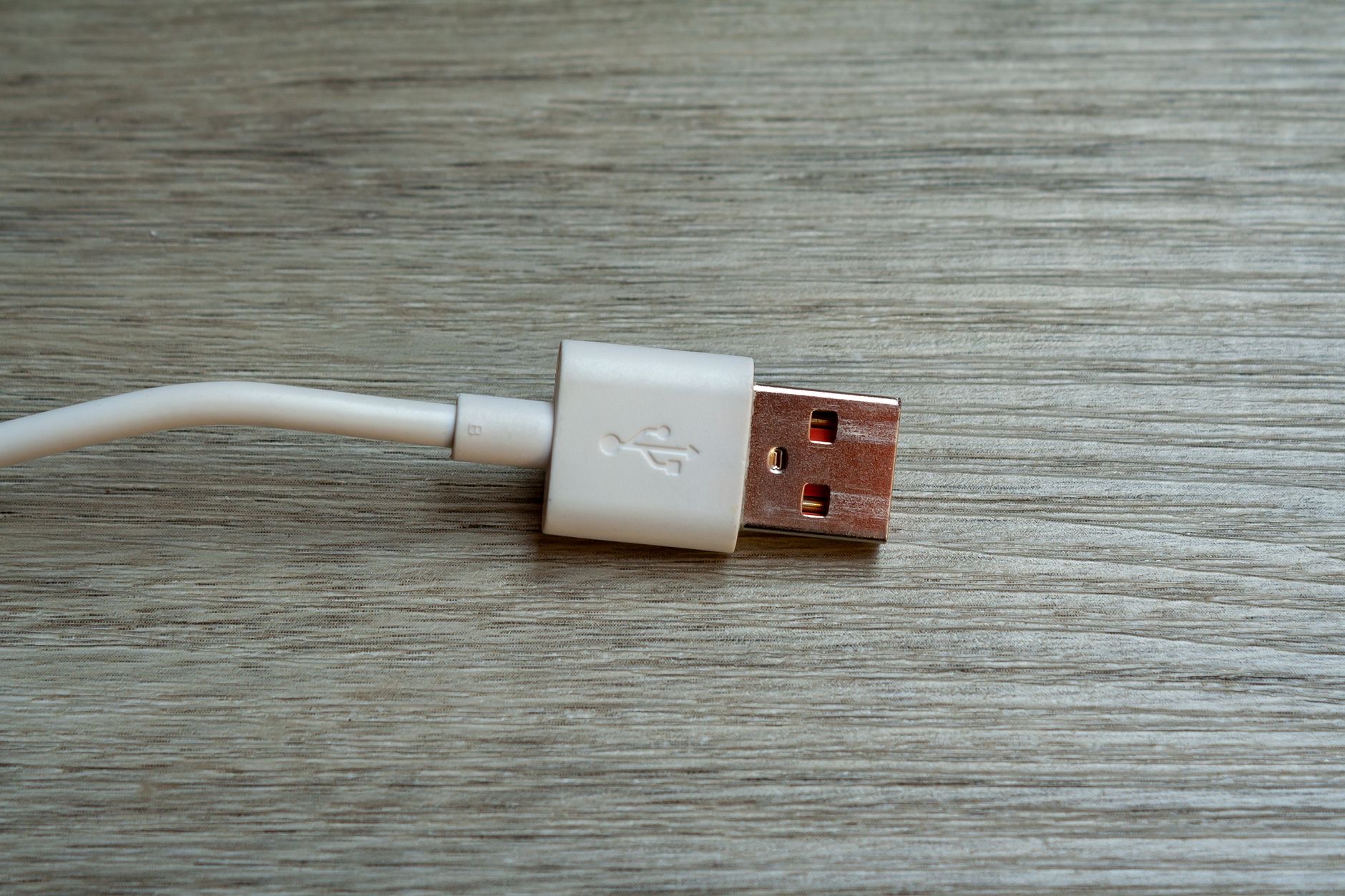
If you have Apple devices, you have probably encountered two different connectors: Lightning and USB-C. Maybe you have wondered what the difference is, why there are two, and what it means for your cables. It can be genuinely confusing. Here is a simple explanation of Lightning versus USB-C, why the change happened, and what it all means for charging and connecting your devices in practical, everyday terms.
The Short Answer
Lightning and USB-C are two different types of connector used to charge and connect devices. Lightning is the connector Apple used on many of its devices for years, while USB-C is a newer, widely adopted standard used across a huge range of devices from many brands. Apple has been moving its devices to USB-C, which is now common across phones, tablets, laptops, and countless accessories. The main practical difference is simply which cable fits which device, and the shift means more of your devices can share the same USB-C cables.
What Is Lightning?
Lightning is a compact connector that Apple introduced and used on many of its devices for a long time. If you have older Apple devices, you likely have Lightning cables, the ones with the smaller, distinctive Apple connector on the end. Lightning served Apple's devices well for years and remains in use on some accessories and older products. For anyone with a collection of Apple gear built up over time, Lightning cables are probably familiar, and you may still have several around for devices that use them.
What Is USB-C?
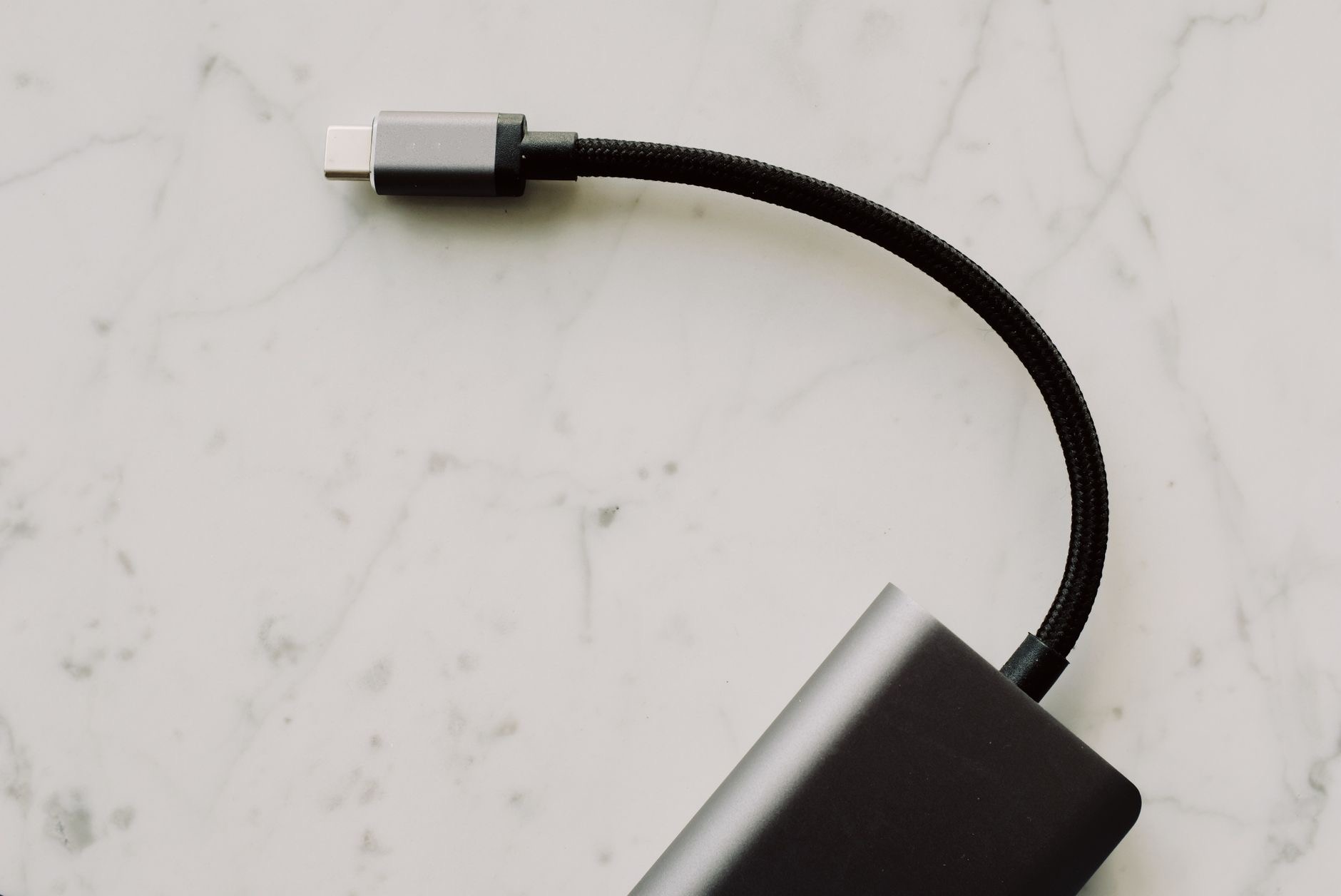
USB-C is a newer, universal connector used across an enormous range of modern devices, not just Apple's but from many manufacturers. It is a small, reversible connector, meaning it plugs in either way up, which is wonderfully convenient. Because it is a widely shared standard, USB-C lets many different devices, phones, tablets, laptops, and accessories, use the same type of cable. This universality is a big part of its appeal, and it is why USB-C has become the common connector across so much of the technology world today.
Why Apple Moved to USB-C
Apple has been transitioning its devices to USB-C, aligning with the widely adopted universal standard. The big advantage is convenience and consistency: with USB-C across your devices, you can use the same cables for many of them, rather than needing different cables for different gadgets. It also means your Apple devices share a connector with a vast ecosystem of other devices and accessories. This move simplifies things over time, reducing cable clutter and making it easier to charge and connect your various devices with common cables.
What It Means for You
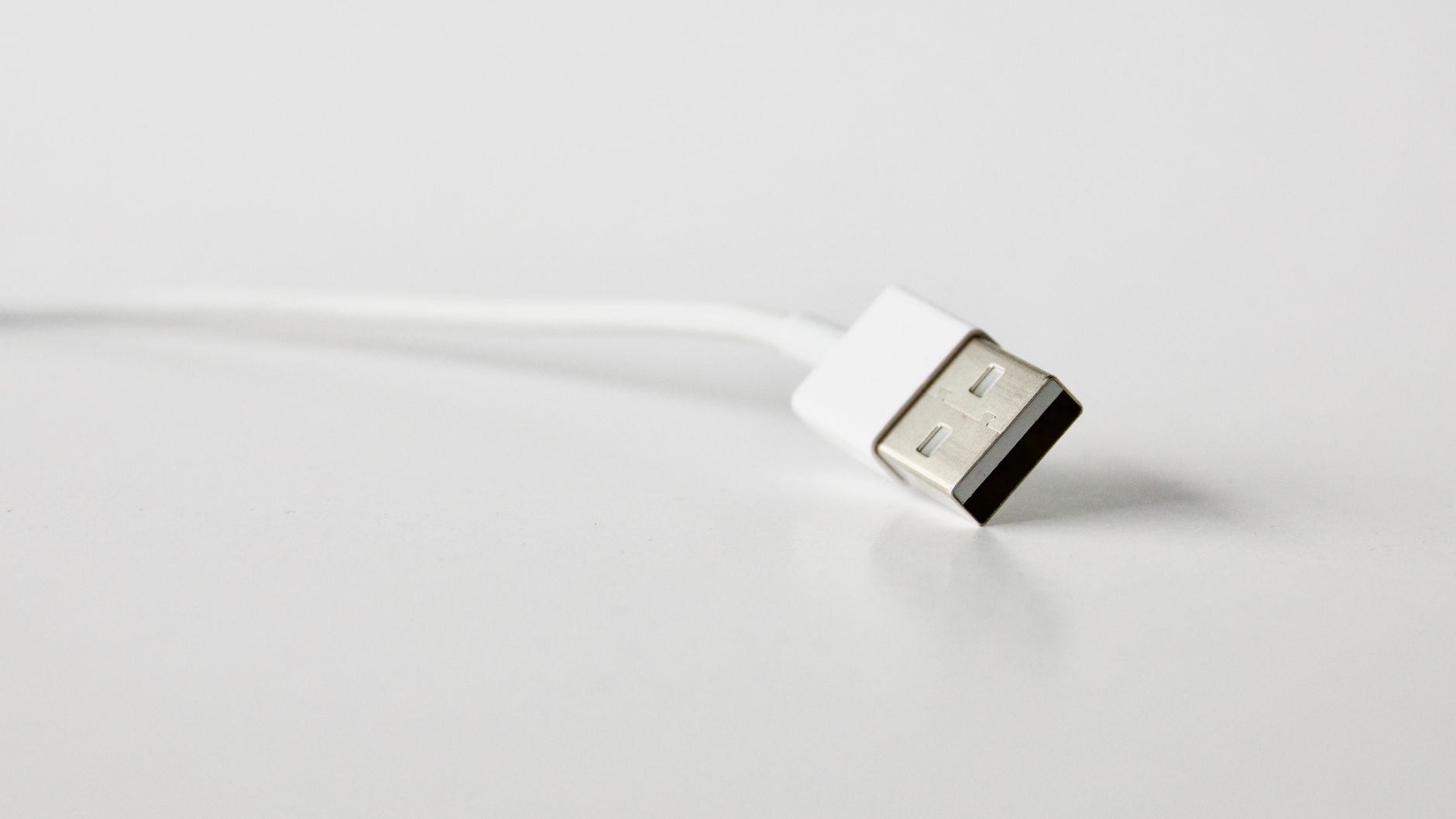
Practically, the shift to USB-C means that as your devices move to it, you can increasingly use the same cables across them, which is genuinely convenient. If you have a mix of older Lightning and newer USB-C devices, you may need both types of cable for now, but over time USB-C becomes the common one. It is worth having good-quality USB-C cables as more of your devices use them. The end result is simpler: fewer different cables to worry about, with USB-C serving more and more of your gear.
Managing Your Cables
During the transition, a little organization helps. Keep track of which of your devices use Lightning and which use USB-C, and have the right cables where you need them. As you get newer devices, you will likely accumulate more USB-C cables, which can serve multiple devices. Having a few good-quality USB-C cables in useful lengths and locations makes charging and connecting simpler. Over time, as USB-C becomes standard across your devices, your cable situation gets tidier, with one common connector doing more of the work.
| Connector | Key point |
|---|---|
| Lightning | Apple's older connector on many past devices |
| USB-C | Newer universal standard, reversible |
| The shift | Apple moving devices to USB-C |
| For you | More devices share the same cables |
Frequently Asked Questions
What is the difference between Lightning and USB-C?
They are two different connectors for charging and connecting devices. Lightning is Apple's older connector used on many past devices, while USB-C is a newer, universal standard used across many brands and device types. The main practical difference is which cable fits which device.
What is Lightning?
Lightning is a compact connector Apple introduced and used on many of its devices for years. If you have older Apple devices, you likely have Lightning cables with the smaller, distinctive Apple connector. It remains in use on some accessories and older products.
What is USB-C?
USB-C is a newer, universal connector used across an enormous range of modern devices from many manufacturers. It is small and reversible, plugging in either way up, and because it is a shared standard, it lets many different devices use the same type of cable, which is a big part of its appeal.
Why did Apple switch to USB-C?
Apple has been aligning its devices with the widely adopted universal USB-C standard. The advantage is convenience and consistency, letting you use the same cables across many devices rather than different ones for each, and sharing a connector with a vast ecosystem of other devices and accessories.
Do I need new cables if my device uses USB-C?
If your device uses USB-C, you will need USB-C cables for it. If you have a mix of older Lightning and newer USB-C devices, you may need both types for now, but over time USB-C becomes the common one, so having good-quality USB-C cables is increasingly useful.
Can USB-C cables work with many devices?
Yes, that is a major benefit. Because USB-C is a widely shared standard, the same cable can serve many different devices, phones, tablets, laptops, and accessories, from various brands. This universality reduces cable clutter and makes charging and connecting your devices simpler over time.
The Bottom Line
Lightning and USB-C are two connectors: Lightning is Apple's older one used on many past devices, while USB-C is the newer, universal, reversible standard used across a huge range of gear. Apple has been moving its devices to USB-C, which brings real convenience, since more of your devices can share the same cables. During the transition you may need both types, but over time USB-C becomes standard, making your cables simpler and letting one common connector serve more of your devices.
Leave a Reply