
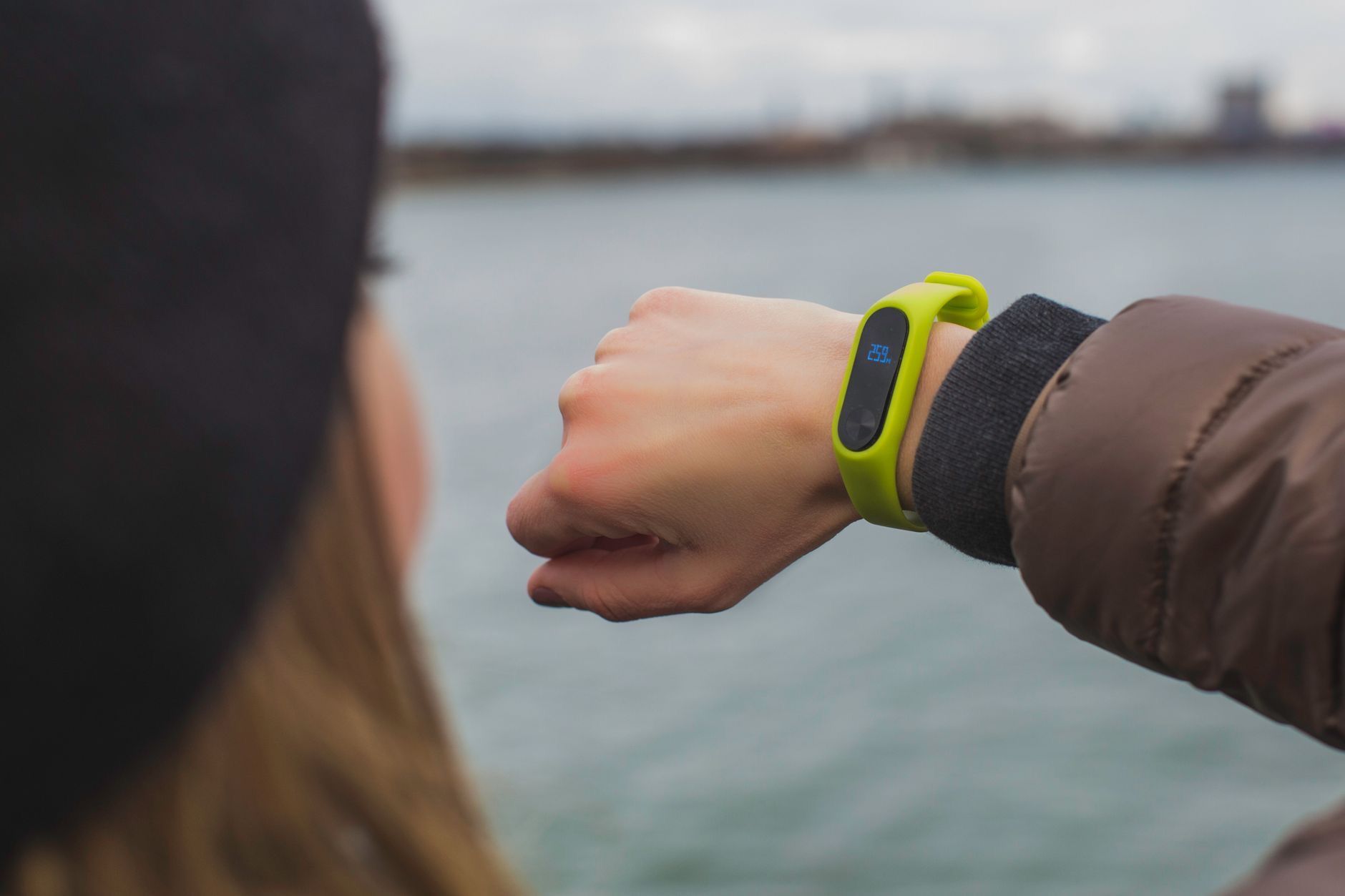
An Apple Watch can be the running partner that quietly pushes you further, tracking every mile and nudging you toward your goals. But the lineup ranges from an affordable everyday model to a rugged endurance machine, and runners have genuinely different needs. Let us figure out which Apple Watch belongs on your wrist for the miles you actually run.
What Runners Should Look For
Running asks specific things of a watch. Accurate distance and pace tracking sit at the top, followed by battery life that survives your longest efforts, a screen you can read in bright sun and at a glance mid-stride, and durability to handle weather and the occasional knock. Heart-rate tracking helps you train by effort, and built-in location tracking lets you run without carrying your phone. Comfort matters too, since a watch you barely notice is one you will actually wear every day. Weigh these against your training: a casual jogger and a marathoner will land on very different watches for good reason.
Apple Watch Series: The Right Choice for Most Runners
For the majority of runners, the standard Series is the sweet spot. It tracks your runs accurately, has a bright, easy-to-read display, handles weather comfortably, and packs the everyday smart features that make it a pleasure to wear off the road too. Battery life comfortably covers daily runs and training, and it doubles as a genuinely capable everyday smartwatch. Unless you are doing ultra-long endurance events or need the absolute toughest build, the Series gives you everything running asks for without paying for capabilities you will rarely use. It is the practical, well-rounded pick that suits most training plans.
★ Editor's Pick · Amazon
Apple Watch Series 10
The well-rounded pick for everyday running
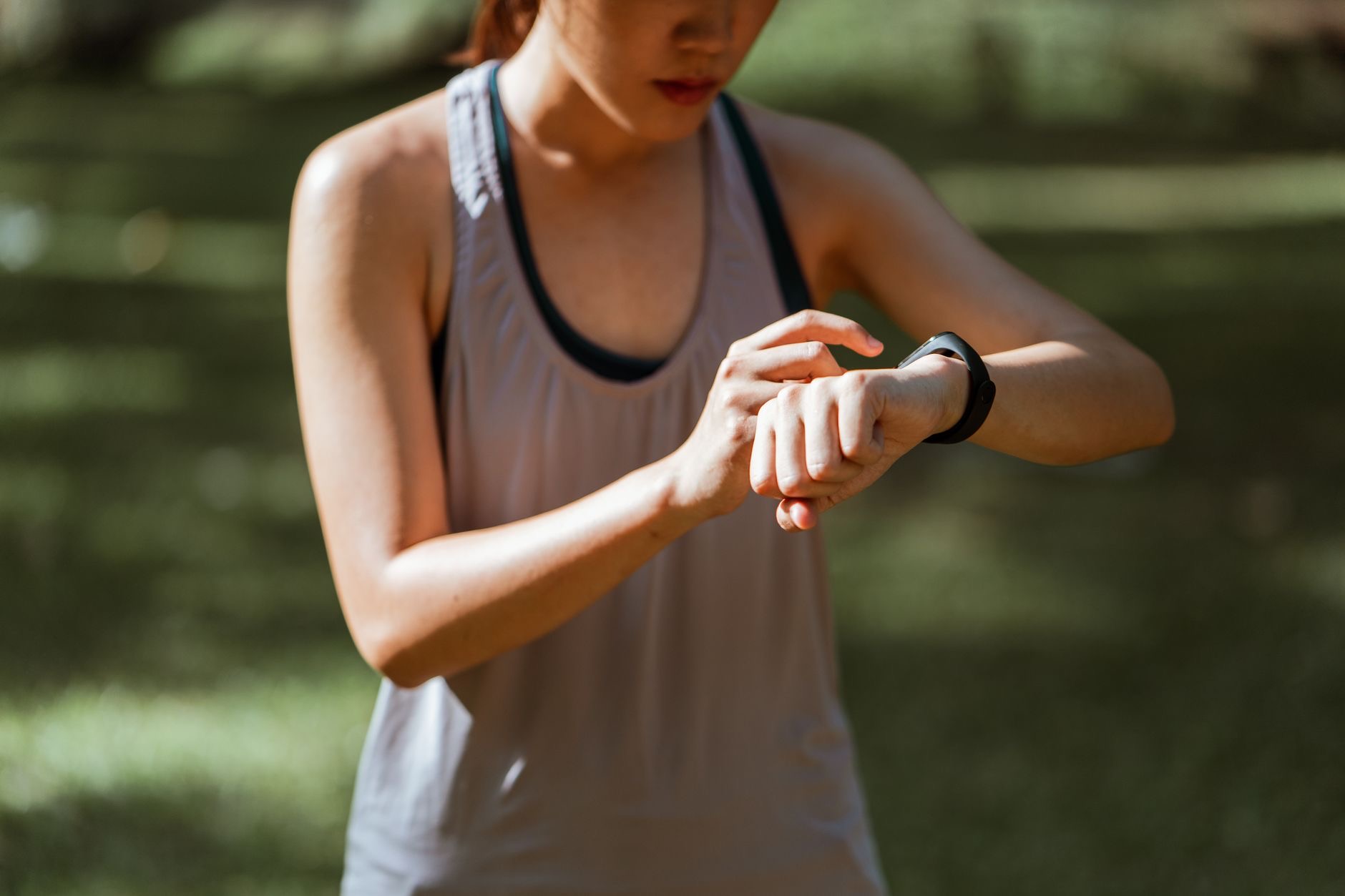
Apple Watch Ultra: For Endurance and the Outdoors
If you run long, run far, or run in tough conditions, the Ultra is built for you. Its standout advantage for runners is substantially longer battery life, which matters enormously for marathons, ultras, and all-day adventures where a standard watch might tap out. It adds a tougher, more rugged build, an even brighter display for harsh sunlight, and features aimed at serious outdoor athletes. It is bigger and costs more, so it is overkill for a casual jogger. But for the dedicated endurance runner or trail athlete, the Ultra removes the battery anxiety and durability worries that can shadow long efforts on a smaller watch.
★ Editor's Pick · Amazon
Apple Watch Ultra 2
Longest battery and toughest build for endurance
Apple Watch SE: The Budget Runner Friendly Pick
On a tighter budget, the SE still tracks your runs well and covers the fundamentals that matter most for training. You give up some of the premium display and advanced health features of the pricier models, but the core running experience, distance, pace, heart rate, and workout tracking, is very much present. For new runners, casual joggers, or anyone who wants reliable run tracking without a flagship price, the SE is a genuinely smart buy. It proves you do not need to spend the most to get a capable running companion on your wrist.
★ Editor's Pick · Amazon
Apple Watch SE
Reliable run tracking at the friendliest price
Battery Life: The Runner's Real Concern
For most runners doing daily training runs, the standard battery life is perfectly adequate, easily covering a workout with charge to spare. The calculation changes for very long efforts. If you train for or run marathons and ultramarathons, where you might be moving for many hours with location and heart-rate tracking running the whole time, battery becomes a genuine factor, and the Ultra's extended life is its single most compelling running feature. Be honest about your longest sessions. For sub-two-hour runs, any model copes. For all-day efforts, battery is where the Ultra justifies itself.

Running Without Your Phone
One of the quiet joys of a running watch is leaving the phone at home. Models with built-in location tracking record your route, distance, and pace independently, so you can head out unencumbered. If you want to also stream music or stay reachable on the run without your phone, look into cellular-capable versions, which let the watch connect on its own. For many runners, simply having accurate tracking without carrying a phone is liberating enough. Decide whether phone-free connectivity matters to you, since it can influence both the model and the version you choose.
Comfort and Fit for the Long Haul
A watch you find uncomfortable is a watch you stop wearing, and the best running watch is the one actually on your wrist. Size and weight matter here. The larger, tougher Ultra is fantastic for endurance but is a bigger presence on smaller wrists, while the standard and SE models come in sizes that suit a wider range. The band matters too, since a sweaty run is no place for an uncomfortable strap, and a breathable sport band makes a real difference. Try to consider how the watch will feel not just in the store, but at mile ten with sweat and motion in the mix.
| If you... | Best pick | Why |
|---|---|---|
| Run daily, want an all-rounder | Series 10 | Accurate, bright screen, great everyday watch |
| Run marathons, ultras, trails | Ultra 2 | Longest battery, toughest build |
| Want solid tracking on a budget | Watch SE | Covers the running essentials for less |
Frequently Asked Questions
Which Apple Watch is best for most runners?
The standard Series is the sweet spot for the majority. It tracks runs accurately, has a bright readable screen, handles weather, and works beautifully as an everyday watch. Unless you run ultra-long events or need the toughest build, it covers everything running asks for.
Is the Ultra worth it just for running?
For endurance runners, yes. Its longer battery life is a real advantage for marathons, ultras, and all-day efforts, and the rugged build suits tough conditions. For casual joggers and daily training runs, it is more watch than needed, and the Series or SE make more sense.
Can the Apple Watch SE track runs well?
Yes. The SE covers the running fundamentals, distance, pace, heart rate, and workout tracking, reliably. You give up some premium display and advanced health features, but for new and casual runners wanting solid tracking without a flagship price, it is a smart choice.
Do I need to carry my phone when running?
Not with models that have built-in location tracking, which record route, distance, and pace on their own. If you also want music streaming or to stay reachable phone-free, look at cellular-capable versions. For many runners, accurate tracking without a phone is freedom enough.
How long does the battery last on a run?
For typical daily runs, the standard battery is more than adequate. The concern arises with very long efforts of many hours, where the Ultra's extended battery becomes its key running advantage. For shorter runs, any model copes comfortably with charge to spare.
Does watch size matter for running?
Yes, for comfort. A watch you find bulky is one you wear less. The larger Ultra suits endurance but feels big on smaller wrists, while the Series and SE come in sizes for a wider range. A breathable band also makes sweaty runs much more comfortable.
Our Honest Take
For most runners, the standard Apple Watch Series is the right call, blending accurate tracking, a great screen, and everyday usefulness. If you chase long distances and rugged conditions, the Ultra's battery and toughness make it worth the premium. And if budget leads, the SE covers the running essentials without compromise on the basics. Pick based on your longest runs and how you train, and you will have a companion that genuinely helps you go further.
★ Editor's Pick · Amazon
Apple Watch Series 10
Ready to track every mile? Check today's price
Leave a Reply